

Farmers need rain but fear a washout autumn
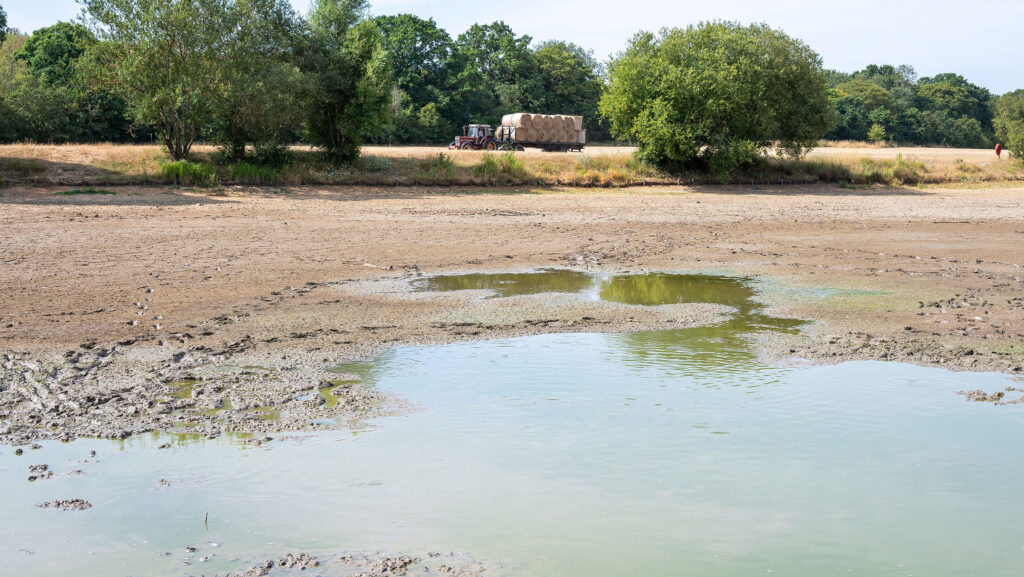 © Avpics/Alamy Stock Photo
 British farmers are facing an autumn balancing act after one of the hottest and driest summers in recent memory left soils parched, river levels low and water reserves under pressure.
For many, significant rainfall is urgently needed to restore soil moisture, replenish aquifers and refill reservoirs. But a sudden change to wet weather could create fresh challenges, disrupting harvest operations and delaying autumn drilling.
The dilemma comes after an exceptionally dry July, which was the driest on record in southern England, prompting farmers to monitor long-range forecasts closely. The dry weather looks set to continue beyond mid-August.
See also: How farmers coped in the drought of 1976
“We’re looking forward to the rain, when it comes,” said Andrew Blenkiron, farm manager at Elveden Estate on the Norfolk-Suffolk border.
“A wet autumn would make harvesting our carrots very difficult. We don’t start until October and we also need to get some sugar beet out of the ground.
“But we’d much rather have a wet autumn than a dry one. That suits our light land much better than it does many other farmers.”
His biggest fear is the longer-term impact of continued dry conditions.
“My biggest concern is not getting enough rain to replenish the aquifers, get the rivers flowing and refill the reservoirs,” he said.
“We didn’t get permission to abstract water until 20 January this year.”
The contrasting pressures are shaping autumn plans across much of the country. While rainfall is needed to rebuild depleted water supplies, prolonged wet conditions could hamper root crop harvesting, cultivations and the establishment of autumn-sown crops.
Comparisons with 1976
The situation has prompted farmer comparisons with 1976, when an exceptionally hot and dry summer was followed by a dramatic change in conditions later in the year, bringing heavy rain, thunderstorms and a notably wet autumn.
1976 all over again? https://t.co/VePHHUoUSG
— Ally Hunter Blair (@Wyefarm) August 9, 2026
However, current forecasts are variable and do not point clearly to a repeat of that pattern.
The Met Office says seasonal forecasts cannot predict the timing or location of individual rain events months in advance. Its latest outlook indicates temperatures are likely to remain above average, while periods of unsettled weather, rain and thunderstorms remain possible.
However, forecasts from the European Centre for Medium-Range Weather Forecasts (ECMWF) and the Copernicus Climate Change Service also suggest above-average temperatures are likely across much of Europe during autumn.
Rainfall signals, however, point to a wetter-than-average autumn for the UK and northern Europe.