

Farmers to benefit from £50m Somerset flood prevention fund
 © GNP
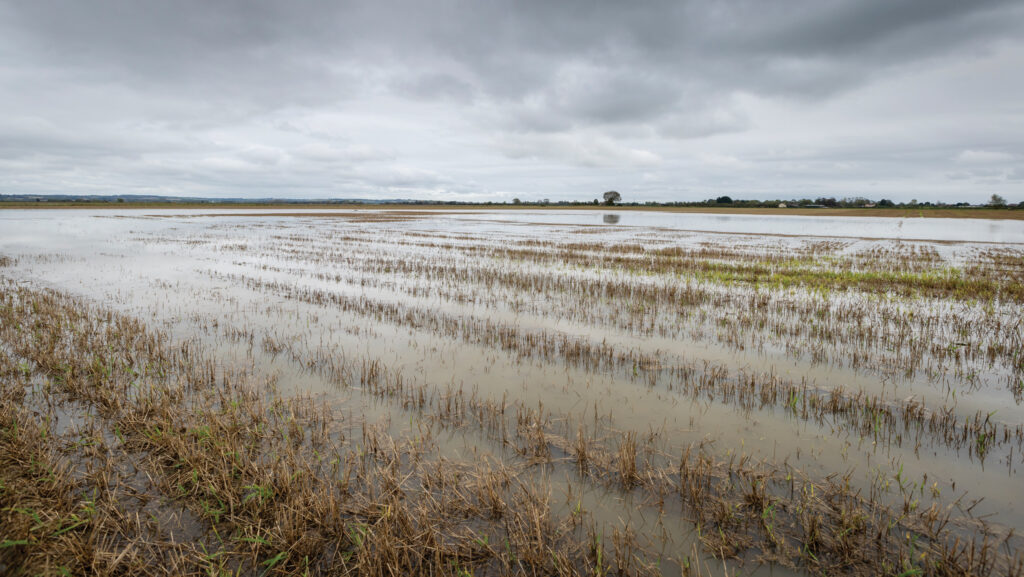
© GNP Roughly £50m has been allocated by government to fund a range of flood resilience measures in Somerset, aimed at protecting farmland, businesses, and homes.
The measures include flood defence schemes, nature-based solutions, watercourse management, and better infrastructure.
Farm businesses in the South West were particularly badly hit by flooding earlier this year, with double the volume of average rainfall falling in January and Somerset Council declaring a major incident.
See also: Somerset farmers battle worsening flood crisis
Persistent flooding in Somerset has had a major impact on the viability of farm businesses in the area, and the government aims to help affected farms better withstand these extreme weather events.
Defra floods minister Emma Hardy said: “Somerset has faced the full force of extreme weather this year, which I saw when I visited earlier this year.
“The communities here deserve more than a temporary fix which is why this government is investing this £50m funding in the protection of homes, farms and livelihoods in Somerset for years to come.”
Somerset Council leader Bill Revans added: “We are pleased the government has listened to our calls for urgent action and welcome this vital investment into the future of Somerset.
“This winter has shown how Somerset’s unique environment is particularly susceptible to the impacts of climate change and it is clear we must help our communities to adapt and become more resilient.”
National investment
A £10.5bn flood resilience programme is being delivered across England through to 2036, which aims to restore existing flood defences and construct new ones.
A National Flood Forecasting and Warning Service has also been launched by the Environment Agency (EA), with 170 workers using modelling and forecasting to aid responses to flooding across the country.
EA chief executive Philip Duffy said: “The EA is working year-round to keep homes and businesses safe from flooding.
“As extreme weather becomes more frequent, we need to adjust how we deliver flood schemes and improve how we warn people of impending flood risks.”