

More water restrictions applied in Scotland despite rain
 © Adobe Stock
 Water abstraction restrictions have been applied to more Scottish farms in a week that also sees the Scottish government earmark £15m to help communities improve flood resilience.
Temporary restrictions on licensed water abstraction in some parts of the country have been extended to the East Neuk region of Fife and North Fife.
This was after these regions hit “significant water scarcity” status, a point when a river crosses a low flow threshold for 30 days in a row.
See also: Chickpeas – an alternative break crop for hotter summers?
The Scottish Environment Protection Agency (Sepa) says this means that the restrictions already in place now apply to another 99 licences, mostly held by farmers.
The restrictions in the Whiteadder Water, Berwickshire Coastal, Lower Tweed, Lunan Water and Lower Don areas remain.
Sepa says it will monitor conditions closely and lift restrictions as soon as river conditions recover.
Its head of compliance, Shona McConnell, says the restrictions are needed to protect rivers and wildlife.
“Our priority is to protect Scotland’s rivers while ensuring restrictions remain in place only for as long as they’re needed.”
River conditions
Recent rainfall in Scotland has improved river conditions in some areas, moving several catchments to lower levels of water scarcity.
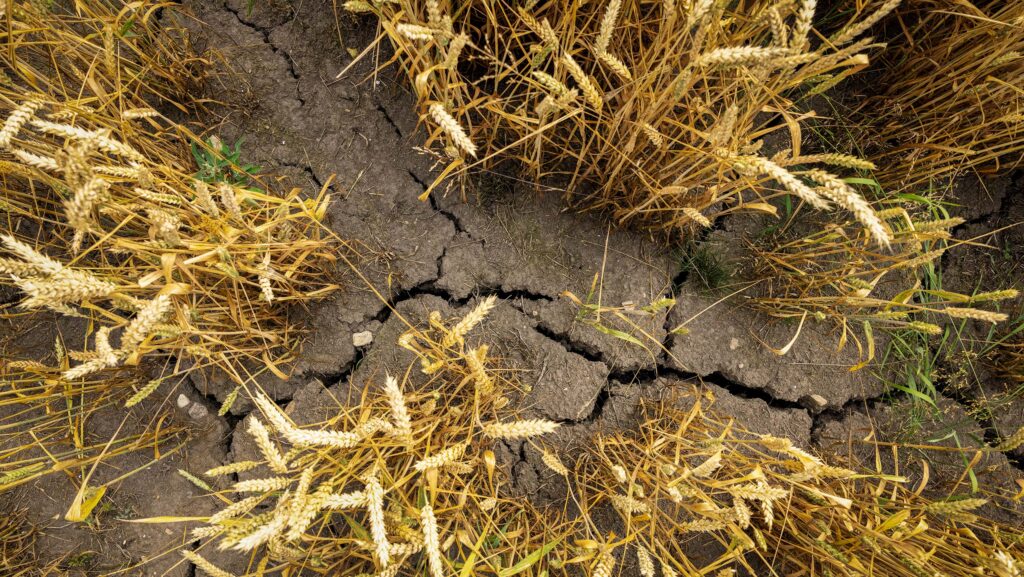
However, prolonged dry conditions continue to put rivers in eastern Scotland under significant pressure.
It looks likely that if river flows remain exceptionally low, abstraction restrictions could soon also apply to Tay Estuary North, the River Teviot and Ettrick Water.
Ms McConnell said: “Even though we’ve seen some rain, it doesn’t always reach the areas that need it most.
“And even when it does, it may not be enough to restore river flows after a prolonged dry period.”
Flood action
Meanwhile, the government has ringfenced £15m to pay for measures such as sustainable drainage and sand dune restoration to improve the resilience of communities across Scotland that are most at risk of flooding
Local groups, communities and local authorities can apply for a share of that pot.
On top of this, the government says it will support communities recovering from flooding.
And Public Health Scotland is developing an interactive tool that combines flood risk with population and demographic data to identify communities and groups most at risk going forward.