

Stock and crops under pressure as heat hits hard
 © MAG/Philip Clarke
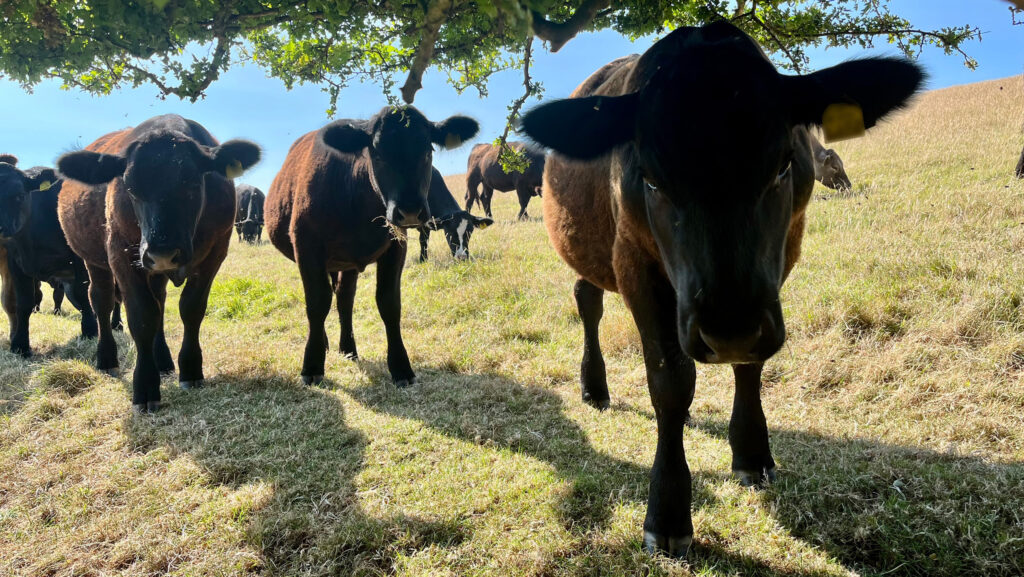
 A week of record-busting temperatures has piled on the pressure for both livestock and arable farmers, faced with the prospect of heat-stressed livestock and parched crops.
Temperatures soared to more than 35C in south-east England on Tuesday 26 May – the hottest May day ever recorded.
See also: Crop Watch – Bank Holiday heatwave adds to crop stress
And while it cooled slightly as the week progressed, the Met Office forecasts June is likely to remain hot and dry for much of the country.
For west Wales beef farmer Liam Davies Jones, keeping his 180 head watered has involved a lot of extra effort and he has also been forced to drop his paddock grazing system.
“I’ve been carting water in a bowser, but because it has been so hot, I had to just drop the line and let them go to the stream,” he said. “They need shelter and shade and they need water.”
It’s been a similar challenge at Brongrain Farm in Powys, home farm for beef producer/processor Pickstock of Telford.
Cows have been moved to fields with high hedges, while multispecies leys are helping preserve the grazing.
“The grass has gone to head, but the herbs are still coming through,” says agricultural executive Dylan Nutting. “If we just had grass, it would be brown by now.”
Both farmers report a good first haul of silage, though they have concerns about what might be available for the second cut.
Maize decision
Jon Myhill of the Maize Growers Association says early sown crops got off to a good start, though on heavier land emergence has been more patchy.
His advice for farms yet to drill is to go deep if there is moisture available.
“If not, then it’s probably better to go shallower and wait for that rainfall to get the crop to chit and grow.”
© Dave Porter/Alamy Stock Photo
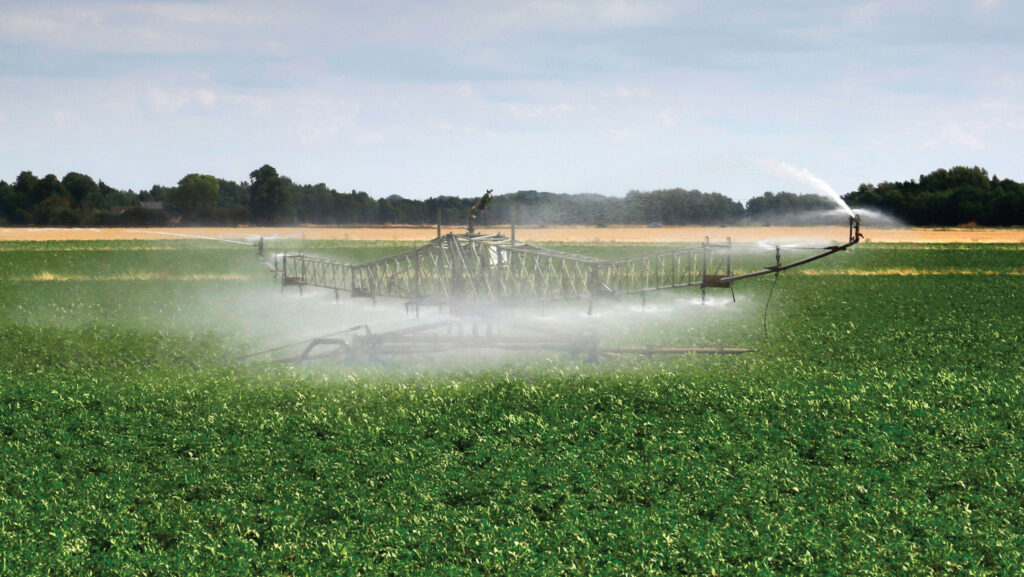
At the Elveden Estate in Norfolk, senior farm manager Nick Scantlebury says that in the past three months the area has received only 30% of the 25-year average rainfall, with just 5mm seen in May.
The irrigators are going flat out across all the cereal crops and field veg – and the farm has even had to irrigate bare earth to form a seed-bed for the carrots that are now going in.
“We’re pumping about 100,000cu m a week from our groundwater licences and on-farm reservoirs,” he said.
This comes at an estimated cost of £150/ha, and even on the irrigated crops, Mr Scantlebury is expecting to see a 25% yield penalty come harvest.
Keeping pigs cool in hot weather
Hot weather can quickly create welfare and performance challenges for pig producers, as pigs struggle to regulate body temperature.
The Pig Veterinary Society warns that heat stress can reduce feed intake, weaken the immune system, cause dehydration and lower growth rates and fertility. Outdoor pigs may also suffer sunburn if shade is limited.
“It is important to remember that it does not require a long period of heat, as we are currently experiencing, but a single day with high temperatures can have the same effect; pigs like to have a steady environmental temperature and don’t cope well with fluctuations,” a spokesman said.
The society urged producers to ensure pigs always had access to fresh water, and advised:
- Improve airflow and ventilation in indoor units
- Reduce stocking densities if necessary
- Provide shade and wallows for outdoor pigs
- Avoid transporting pigs unless essential
- Contact the police and Defra (rural services helpline: 03000 200 301) if pigs are overheating in stationary traffic.
Source: The Pig Veterinary Society