

Storms force pumpkin patches to close as farms count the cost
 © Adobe Stock
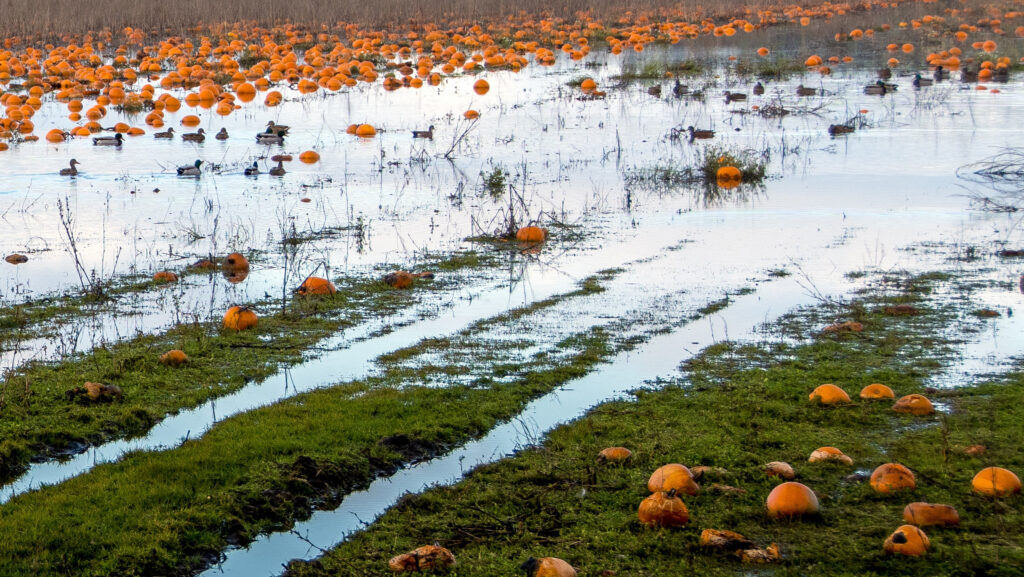
Pumpkin-picking farms across the UK were forced to close over the weekend as storms Austen and Boelo brought strong winds and heavy rain, disrupting seasonal events and damaging farm infrastructure.
Bates Farm in Risley, Warrington, was expecting about 1,000 cars for its pumpkin-picking event on Sunday (25 October) but had to cancel after storm damage destroyed a marquee and several gazebos used by food vendors.
Sisters Ali and Fiona Wilshaw, who run the farm, told the BBC it had had a financial impact of about £50,000, including repairs, lost pumpkin sales, ticket refunds and other costs.
They were working to repair the damage and reopen the site as quickly as possible.
See also: Pumpkin patches help bridge the gap between town and country
Other farms with pumpkin patches also announced closures on social media.
Brookleigh Farm in Menston, West Yorkshire, closed from 3pm on Saturday and throughout Sunday, while Greenlands Farm Village in Carnforth, Lancashire, cancelled its Sunday open farm and pumpkin picking activities.
Greenlands said the decision was made with safety as the priority, with Boelo causing damage to animal shelters and a tree in the café garden. The farm planned to reopen on Monday.
Other farms forced to suspend pumpkin activities over the weekend included High Roosebeck Farm in Ulverston, Cumbria, Brockbushes in Stocksfield, Northumberland, and Libby’s Patch in Cheshire.
In Devon, Valley View Café shut its pumpkin patch on Friday and Saturday because of Storm Austen.
Further weather warnings
The Met Office issued wind warnings as the two storms crossed the UK in quick succession.
Storm Austen brought strong winds to southern areas, while Boelo brought further severe gusts and heavy rain to Scotland, Northern Ireland and northern England, with exposed locations experiencing gusts of up to 80mph.
Hannah Binns, NFU Mutual rural affairs specialist, said: “The Met Office is currently issuing further yellow warnings for western and northern areas, with the potential for a third named storm.”
She urged farmers to put safety first during extreme weather, advising them to avoid risky repairs during storms, check weather warnings and prepare for possible power cuts.
Farmers were also advised to identify higher ground for livestock in case of flooding and move vulnerable machinery and equipment to safe locations.