

What are the benefits of controlling traffic on fields?
Growers reduce the amount of surface and subsoil compaction when they move to controlled traffic, Tim Chamen of Controlled Traffic Farming (Europe) says.
Many conventional low input systems suffer from slow initial crop growth due to poor topsoil structure, often made worse by fitting low pressure tyres, which compact a larger area on each pass.
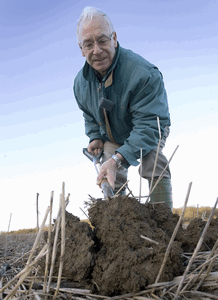 Couple that with almost 100% of a field having some traffic over it during the course of a season with a random traffic system, and research suggesting it takes soil three years to recover from surface compaction and it is easy to see how a controlled traffic system, which could reduce the amount of traffic to 30% of the field or less, should help.
Environmental benefits
- More organic matter retained
- Improved fertiliser use efficiency
- Better drainage
- Greater water use efficiency
- Less soil erosion and chemical loss
Source: CTF (Europe)
Not only does the improved soil structure allow seed-beds to be created with less input, but it also improves the performance of the soil, including drainage, allowing crops to grow away more quickly when soil temperatures rise, and reducing erosion risk. Seed cost – through being able to reduce seed rates in better conditions – can also be lower.
Research experience suggests yield increases by 9-16% on average in the non-trafficked area. It is too early for Lee Farm data to confirm that in UK conditions, but the first results are encouraging, farm manager Andy Coggins says.
Practical benefits
- Increased crop yields
- Little need for cultivation
- Better drainage
- Reduced fuel and energy demands
- Lower and more evenly spread labour
- Lower machinery and tyre costs
Source: CTF (Europe)
Does controlled traffic farming have a future in the UK? Give your opinion on FWispace. |
Go back to the controlled traffic farming landing page.