Row intensifies over pre-harvest glyphosate use
 © Tim Scrivener
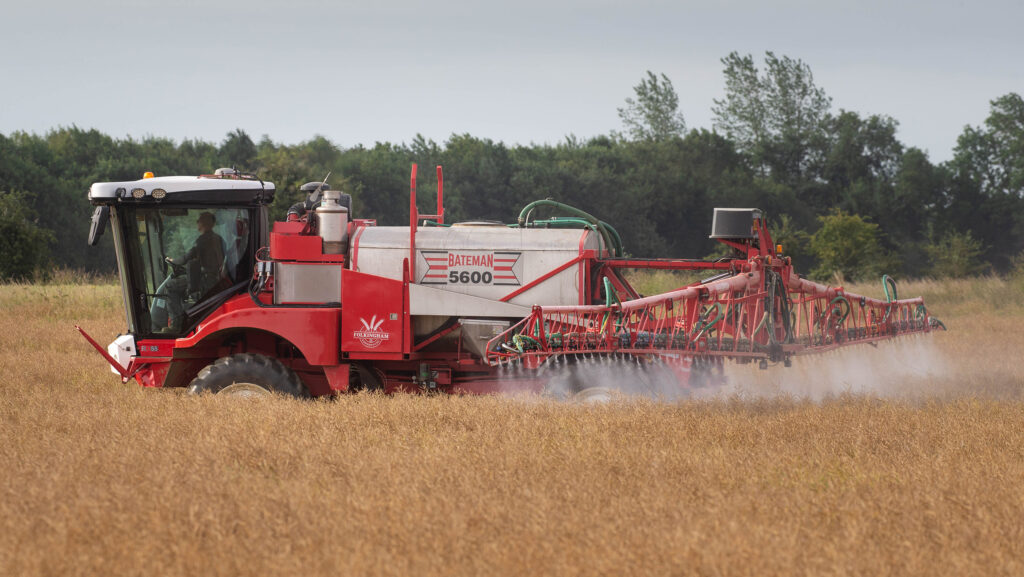
 Campaigners are stepping up pressure on the government to ban pre-harvest use of glyphosate, as farmers warn the move could hit UK food production.
The Soil Association, backed by more than 25 farming, environmental and health organisations, has written to ministers in an open letter calling for the practice to be banned, saying it is a key source of pesticide residues in everyday foods.
Campaigners say glyphosate residues are commonly detected in staples such as bread, breakfast cereals and beer, and cite growing scientific concern over potential links to cancer and other health risks.
See also: Glyphosate – pros and cons of another GB licence renewal
Soil Association head of food policy Rob Percival said: “Pre-harvest desiccation is the primary cause of glyphosate residues in foods.
“These residues are commonly found in oats, barley, wheat and beans, and public and scientific concerns are mounting.
“A growing body of evidence is linking glyphosate to cancer risk and other health harms. We probably shouldn’t be eating it.
“And that means we need to stop using it as a desiccant. This practice is already prohibited in the EU.”
GB regulators maintain glyphosate residues remain within legal limits considered safe for consumers when used correctly, but campaigners argue routine detection in food raises concerns about long-term exposure.
They are calling for a ban alongside greater support for farmers to adopt alternatives, such as swathing (cutting and drying crops in the field), on-farm grain drying and wider agronomic changes.
Licence renewal due
The debate comes as approval for glyphosate in Great Britain runs until 15 December 2026, with the Health and Safety Executive carrying out a full safety review ahead of a decision on renewal, which could allow for a further approval of up to 15 years.
As part of the renewal assessment, HSE will be launching a statutory, 60-day public consultation. This is expected to start in the summer.
Farming groups have pushed back, warning that removing pre-harvest use without viable alternatives could undermine already fragile farm businesses facing high fuel, fertiliser and energy costs, alongside low commodity returns.
The UK’s maritime climate lies at the heart of the issue. Frequent rainfall and narrow harvest windows – particularly in Scotland and northern England – mean crops often need to be dried quickly and evenly to meet milling and malting specifications.
Growers say glyphosate enables this by desiccating crops ahead of combining, reducing the risk of weather damage and costly delays.
NFU Scotland senior policy manager David Michie said the product remains a critical tool.
“For many Scottish producers, glyphosate plays an important role in ensuring crops can be harvested effectively and meet quality specifications,” he said.
“Removing or restricting this option without viable alternatives would have significant practical consequences, including increased fuel use, higher costs, greater carbon emissions and, in some cases, reduced yields.”
Josh Woolliscroft, head of external affairs at pesticide lobby group CropLife UK, said: “Pre-harvest desiccant use is a vital tool in grower’s toolbox.
“The UK climate means that British agriculture is particularly exposed to disruption from adverse weather, glyphosate helps to protect growers from these risks.
“It serves the simple purpose of controlling pests and diseases which can harm yields and food quality.”
The Glyphosate Renewal Group said the herbicide supports an estimated £680m in annual UK crop production and called for a “science-based, evidence-led approach” to regulation, rejecting claims of a causal link to cancer.
Managed transition
Campaigners acknowledge the need for farmer support, but insist change is necessary.
Guy Singh-Watson, a farmer and founder of organic vegetable box scheme Riverford, said: “The government has a responsibility to ensure our food is produced without compromising the health of people or the planet.
“Banning glyphosate as a pre-harvest desiccant is a sensible first step, and farmers must be supported to make the transition away from chemical dependence.”
Martin Lines, chief executive of the Nature Friendly Farming Network, added that while reducing reliance on glyphosate was important, any transition “must be workable in practice”.
Government response
A UK government spokesman said: “Like all pesticides, glyphosate is subject to strict regulation in Great Britain and are only approved for use if the evidence shows that they won’t harm human or animal health, and won’t have unacceptable effects on the environment.
“Our UK Pesticides National Action Plan supports moves by farmers, growers and other land managers to minimise the use of pesticides and increase integrated pest management – a holistic and sustainable approach to pest, weed and disease control.”
Staying sharp shouldn't be a chore