Cereals 2026: BYDV breeding efforts start to bring rewards
 © Blackthorn Arable
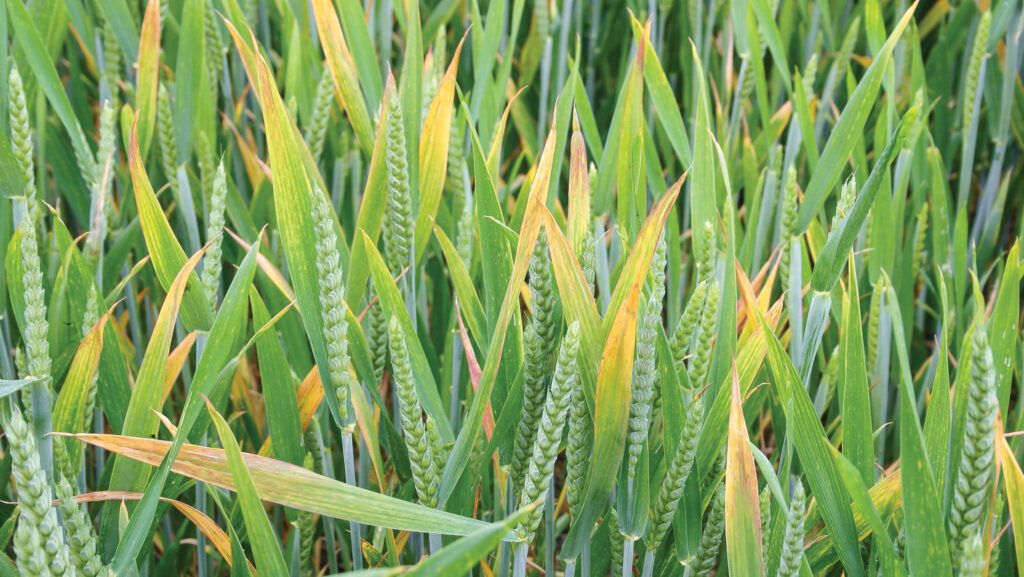
 New solutions for managing barley yellow dwarf virus (BYDV) were being discussed at Cereals 2026, after a particularly bad season for the virus caused by continuous aphid activity over a prolonged period.
Both winter and spring cereal crops have been hit this year, with control efforts struggling under such high pressure and many growers having to spray more than once to avoid significant yield loss, despite a reluctance to do so.
A combination of factors is behind the rise in virus transmission, including earlier drilling, milder autumns and the green bridge provided by widespread use of cover crops and stewardship margins.
See also: Farmer Focus: Record BYDV symptoms have got me thinking
The adoption of the Sustainable Farming Incentive zero-insecticide option has also contributed to the current situation, with agronomists and growers attending the two-day event agreeing that it was time for a rethink on BYDV.
Genetic solutions
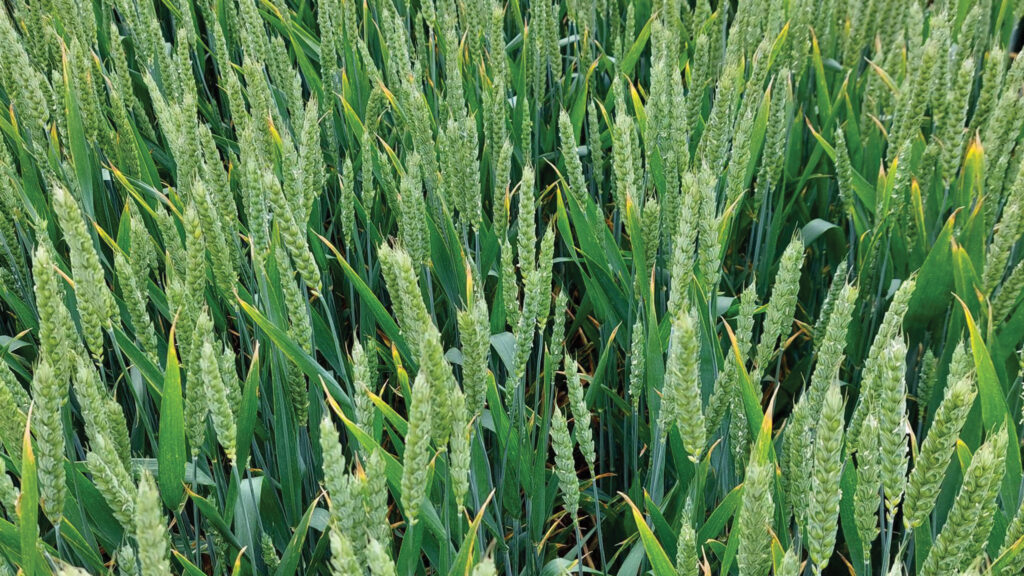
Goldfinch winter wheat © MAG/Guy Peckett
In the plots, several new cereal varieties with either resistance or tolerance to BYDV were on display, while more details about a new decision support tool being developed by AHDB were revealed.
There are two winter wheat varieties with a specific recommendation for resistance to BYDV: Group 2 Goldfinch and hard feed wheat Guardsman. Both are from RAGT, but limited uptake to date is blamed on agronomic weaknesses.
However, there are high hopes for the company’s two candidate wheats with this trait, especially Griffin, which appears to combine the good yield performance and better agronomics that its predecessors were lacking. It also has orange wheat blossom midge resistance.
“Up until now, the varieties have been too weak strawed or had a significant yield penalty,” said John Miles of Agrii. “That’s changing with new choices, which is good news for growers.”
Winter barley breeding progress with BYDV has been more rapid and there is one resistant variety, the six-row hybrid Kestrel, and five tolerant varieties – Catapult, Carpenter, Organa, Integral and Feeris already on the AHDB Recommended List.
Limited uptake
Despite that choice, BYDV lines only account for about 3% of the barley market.
That could be about to change. Coming up behind the current cohort is a raft of two-row feed candidates with BYDV tolerance from plant breeders including KWS, Limagrain and Senova.
“All of these are showing how successful breeders have been in getting BYDV tolerance into more competitive varieties,” said Clare Leaman, cereal variety specialist at Niab. “The earlier ones may not have captured the imagination, but these all deserve a closer look.”
As George Goodwin, Senova’s managing director explained, varieties such as the company’s candidate Paquita now offer the same yield as those without BYDV tolerance and are expected to become the new normal, especially in the south.
“They’ve closed the gap on yield and have good agronomics too. They take away some of the risk, reduce reliance on pyrethroids and are cheaper to grow.”
Paquita will be up for recommendation later this year. It has a yield of 104%, stiff straw and early ripening, along with good disease resistance.
New BYDV tool
A new digital tool designed to help growers manage BYDV is in development by AHDB and is expected to launch in September, in time for use this autumn.
The aim is to help with the control of virus-spreading aphids and to improve the decision-making around the need to spray, avoiding a repeat of the problems encountered this season.
Incorporating a wider range of risk factors than the existing T-Sum model, the new model combines aphid migration monitoring with weather data and farm specific details.
The difference between the old T-Sum model and the new system is that the temperature-based model doesn’t account for all of the factors that influence virus transmission, explained Dr Sacha White of AHDB, so tends to err on the side of caution.
“It helps with the timing of insecticide applications rather than whether you need to spray or not,” he said.
The new tool is more advanced. As well as temperature information, it uses crop type, sowing date, plant population, predicted yield and treatment cost data to calculate the risk.
“Although there are three aphid species involved in BYDV, the model is trained on the bird cherry-oat aphid as that is the most significant virus vector.
“It also works on the assumption that 20% of the aphids are carrying the virus.”
These nuances make it more accurate, he confirmed.
“Testing to date has shown that it accurately predicts the risk and guides control decisions, with the end result being fewer spray applications.”