Free expert advice and workshops at Arable Insights Live
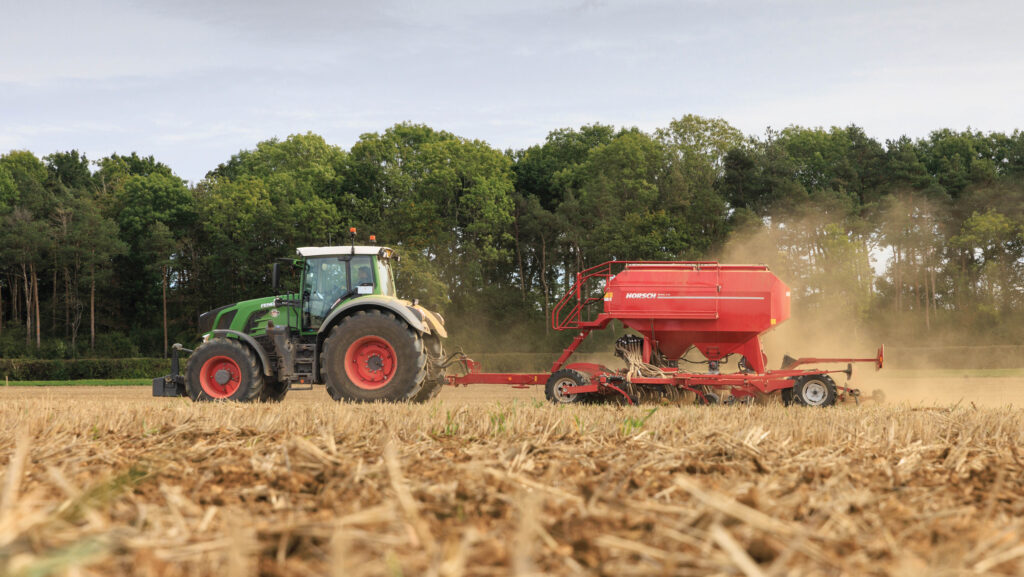 Drilling winter wheat © Tim Scrivener
 Arable Insights Live is a new one-day event from Farmers Weekly, designed to equip growers and agronomists with the tools and information they need to improve productivity and enhance sustainability.
The event takes place at Dyson Farming Research centre in Lincolnshire on Thursday 14 May 2026, and is free to attend.
See also: How polycrop is paving way to premium feed market
Through expert-led sessions and practical workshops, Arable Insights Live will showcase the latest agronomic developments and technical innovations.
It aims to bring the trusted expertise of the Arable Insights editorial features to life.
The event will consist of in-depth interactive sessions for knowledge exchange, and provide the perfect setting for networking with industry stakeholders.
Attendees will be able to hear the latest thoughts and findings from our farmer panellist session and delve into interactive breakout sessions hearing directly from industry experts.
Interactive breakout sessions
- Dyson Farming technical session An exclusive technical session hosted by Dyson Farming Research will focus on the latest on-site trials and innovation projects conducted at the host venue.
- KWS Variety selection is critical for sustainable agronomy and market choices. This practical session will guide attendees through variety characteristics and how they best fit on farm. It will also be an opportunity to see KWS’s new Recommended List candidate varieties for 2026, which include the highest yielding variety for both treated and untreated yield.
- Horsch 25cm row spacing Could moving to 25cm row spacing offer growers the opportunity to maintain yields while achieving improved weed control and better plant health? What are the pros and cons? This session with Horsch will delve into the benefits and implications.
- De Sangosse Phosphate availability and spray quality In this field session, De Sangosse will explore how phosphate becomes locked up in soils and what can be done to improve bioavailability and uptake during key early growth stages. Attendees will also look at how water quality influences pesticide performance, and explore the simple steps growers can take to manage spray water more effectively.
Whether farmers are focused on boosting performance, improving sustainability, or future-proofing their business, this is a day designed to deliver value.
It’s also a great opportunity to connect with other progressive growers and professionals across the sector over a delicious free lunch provided.
Find out more and register – limited spaces are available.
Farmers Weekly Arable Insights Farmer panel
Hear expert discussion on current industry challenges from:
- Colin Chappell Fourth-generation arable farmer in Lincolnshire, producing mainly human-quality combinable crops such as Warburtons milling wheat, milling oats and marrowfat peas destined for fish and chip shops. His farm is now carbon neutral thanks to his cost-savvy farming approaches that minimise inputs but maximise output.
- Richard Bramley North Yorkshire farmer Richard’s long-term focus is improving the farmed environment. His rotation includes potatoes, sugar beet, winter wheat, winter and spring barley (malting and feed), spring beans and oilseed rape. He has been cover cropping for 20 years.
- Will Oliver Mixed farmer on the Leicestershire/Warwickshire border. Once just arable, the business now consists of 175,000 broiler chickens, and a host of diversifications such as glamping, dog walking, a livery yard, fishing lakes, residential and commercial lettings and even a quarry.
- Mark Wood Farm manager at the Clay family estate in Herefordshire. The traditional mixed farming estate comprises a combination of arable and native breed livestock across varying soil types. The farm has invested in 15,000t of grain storage at the estate, of which half is commercial storage. Other diversifications include a direct sales meat business and a farm shop.

Staying sharp shouldn't be a chore