Three steps to better blackgrass control
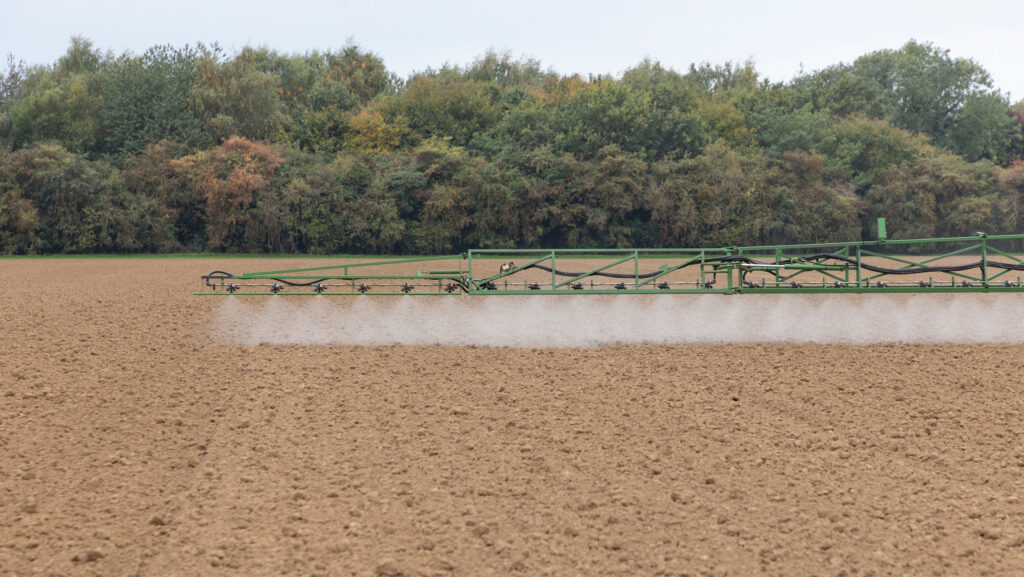 © GNP
© GNP Blackgrass control is moving underground, with a shift in focus towards creating crop root systems that will be highly competitive against those of the weed.
Significant progress has been made in getting on top of blackgrass in the past decade – average plant counts in trials at Hutchinsons’ Cambourne grassweed site in Cambridgeshire stand at 60 plants/sq m today, compared to the 600 plants/sq m seen at the former Brampton site 10 years ago.
See also: What to consider when planning a new pesticide store
However, small numbers still matter, warns Hutchinsons technical manager Dick Neale.
“The problem is that these surviving blackgrass plants tiller their socks off, so we could still end up with a lot of heads and a lot of seed return. Uncontrolled, a blackgrass population of 50 plants/sq m could deliver a seed return of 150,000 seeds/sq m,” he points out.
Ongoing grassweed work at Cambourne has identified three key levers that can help growers stay on top of blackgrass weed populations:
1. Placement fertiliser – to support crop establishment
Placement fertiliser – phosphate in particular – is most valuable as an insurance.
In Hutchinsons trials with PrimeStart, benefits have included improved crop establishment, better retention of tillers and a change in crop architecture.
“We don’t need a lot of phosphorus, but we need it available to the crop roots. We are using phosphate rather than nitrogen to drive plant growth in the early part of the season, creating a much more robust plant, which can compete with weeds much more strongly,” says Dick.
2. Variety blends – to create competition
While some end uses may restrict blends, their use in feed wheat and barley crops offer an opportunity to increase crop competition against blackgrass.
Trials at Cambourne in 2026 compared Dawsum with a farm blend of Insitor, Gleam, Champion and Dawsum, with a PrimeStart-treated blend reducing average blackgrass headcount by 60% compared with the single variety.
“Blends provide more competition than single varieties,” says Dick. “We are learning that competition needs to come from the root system. We’ve got to compete with the root system of blackgrass and generate as much root growth in the wheat crop as we can.”
3. Herbicide sequences – to cover protracted emergence
Herbicides remain the primary driver of blackgrass control. At Cambourne, a full-strength, sequenced herbicide programme cut blackgrass head count almost 20-fold versus a single active alone.
However, timing is key. An ongoing Hutchinsons monitoring project has revealed that blackgrass emergence has become later and more protracted, commencing during the first week of October, but then continuing in small numbers through to mid-November.
As a result, a sequence of actives rather than a big, single pre-emergence stack will give the best blackgrass control, says Dick, with the aim of the sequence being to overlap herbicide active dose with blackgrass emergence.
“We’ have to make sure we’ve got herbicide active in the soil from 1 October to the middle of November,” he says.
With blackgrass populations now lower, but emergence increasingly protracted, the focus must shift to building a competitive crop from the outset – placing phosphate where roots can access it, using variety blends to strengthen crop competition and sequencing herbicides to match the weed’s emergence pattern, with the aim of leaving as little opportunity as possible for survivors to replenish the seedbank.