Crop Watch: Herbicide top ups and phoma lesions in OSR
 © GNP
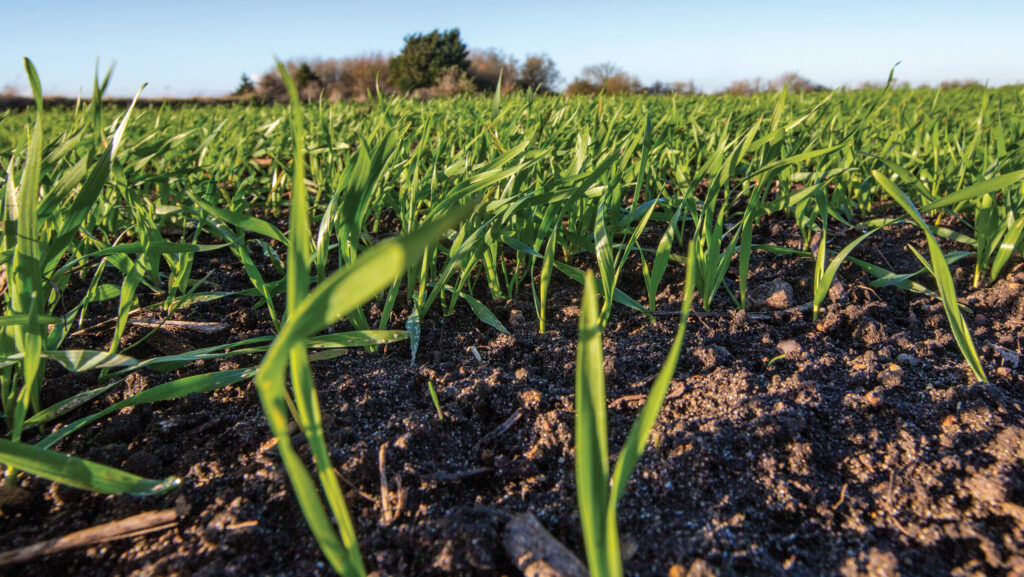
This week sees a quieter spell of weather offering an opportunity to complete autumn jobs such as top-up herbicides in cereals, drilling wheat after beet and planting beans.
In oilseed rape, phoma lesions are becoming increasingly evident across crops in the East and West, as a result of the wet and warm conditions.
See also: Earthquake technology helps farmers map soil compaction
North
Stephen Bell, Fane Valley (Northern Ireland)
A good spell of weather in early October allowed us to make the most of ground conditions, progressing cereal drilling and pre-emergence weed control alongside maize, fodder beet and potato harvesting.
It has been particularly pleasing to see the brome control achieved in fields with a history of heavy infestations.
Warm, moist soils encouraged an early flush and helped pre-emergence programmes containing flufenacet and other residual actives perform well.
In winter wheat, mild conditions have allowed a follow-up herbicide application to target emerged brome. Fields will be monitored for further flushes through autumn and spring.
Ahead of next autumn without flufenacet, weed-screening trials at our trials farm will assess alternative programmes and help guide decisions.
Remember, the final use-up date for flufenacet-containing products in Northern Ireland is 10 December 2026.
Winter barley
Both conventional and barley yellow dwarf virus (BYDV)-tolerant winter barley varieties have been drilled this autumn, with early-sown crops now around the three- to four-leaf stage.
Early drilling and higher aphid activity earlier in the autumn have prompted aphicide recommendations, including in BYDV-tolerant varieties.
Tolerance is a valuable part of the BYDV risk-reduction toolbox, but it does not eliminate the risk of yield loss.
Bird cherry-oat aphid migration has slowed during the month, although mild weather could still allow aphids already in crops to multiply and spread infection.
Where timings have coincided, a post-emergence herbicide, manganese and an aphicide have been applied together, completing several autumn jobs in one pass.
Slug activity will need close attention as conditions become wetter, particularly in later-drilled crops with cloddy seed-beds and young, vulnerable plants.
Oilseed rape crops continue to look strong, with well-developed canopies heading into winter.
Brome and volunteer cereals emerged early, with propaquizafop treatments providing good control and reducing competition during establishment.
Little disease is visible so far, but monitoring for light leaf spot and phoma will continue. Autumn fungicide and nutrition applications are planned where required and conditions allow.
Where cleavers and shepherd’s purse need tidying up, a suitable post-emergence broad-leaved herbicide could be included with propyzamide, depending on weed size and crop growth stage.
Storm Boelo has brought fieldwork to a halt for now, leaving surface water in many low-lying fields.
With autumn moving on, we will need to make the most of opportunities to complete any remaining fieldwork as and when ground conditions allow.
East
Harriet Bateman, Prime Agriculture/AICC (West Norfolk, Cambs, south Lincs)
Autumn drilling is largely complete across the area, and on the whole, crops are looking well established heading into November.
The dry conditions earlier in the autumn made establishment a little slower than hoped in places, but the recent rainfall has been welcome and has helped even up some of the more backward areas.
Compared with previous autumns, there is plenty to be pleased about, with most crops now looking in good shape ahead of winter.
Most winter wheat is now in the ground, with what remains largely being held back deliberately due to blackgrass pressure or awaiting late-lifted sugar beet.
The recent rain has encouraged a flush of blackgrass, so hopefully, delaying drilling on these more challenging fields will prove worthwhile.
Where wheat was drilled in the main autumn window, establishment has generally been good, with some of the earlier crops already tillering well.
Pre-emergence herbicide programmes have performed well so far, despite the lack of moisture immediately after drilling in some situations.
Seed-beds are generally looking clean, although a few fields have needed topping up where there was grassweed pressure.
It is still early days, but so far there is plenty to be encouraged by. Later-drilled fields will need careful consideration, particularly where blackgrass populations are high.
BYDV has been another priority over recent weeks, with most wheat crops either having received an aphicide or due to be treated shortly.
The relatively mild autumn has meant T-Sum 170 has accumulated quickly in earlier-emerging crops, and aphid activity has continued.
Later-drilled cereals will need monitoring as they emerge, particularly if temperatures remain mild into November.
It is worth remembering that spray timing should be based on crop emergence rather than drilling date. This is also a good timing to add in some manganese, especially where herbicide stacks have been heavy.
Slug pressure has generally been manageable, although the recent rainfall has increased activity in some places.
As always, fields with heavier trash cover, cloddier seed-beds or following oilseed rape are worth keeping a closer eye on. Later-drilled crops will be particularly vulnerable, especially where establishment is slower as temperatures begin to fall.
Oilseed rape is generally looking very well, with most of the remaining crops now carrying good ground cover and strong root systems.
Some of the earlier-drilled crops are particularly forward, but overall there is plenty to be pleased about.
Attention is now turning towards propyzamide applications for grassweed control.
Soil temperatures are beginning to fall, but there is no need to rush; good soil moisture and temperatures of 10C and falling are important, alongside avoiding applications ahead of heavy rainfall or onto saturated ground.
Disease levels should also be assessed before winter, particularly for phoma or light leaf spot.
West
Ben Allard, Pearce Seeds (Dorset, Wiltshire and Somerset)
As we now enter November, I am really pleased with how the oilseed rape (OSR) is looking, particularly considering how dry September was and the ongoing pressure from cabbage stem flea beetle.
Big, bold crops with plenty of biomass are the best way to describe the OSR at present.
Applications of prothioconazole, alongside various trace elements, are now under way to help keep phoma levels under control and to keep the crop moving.
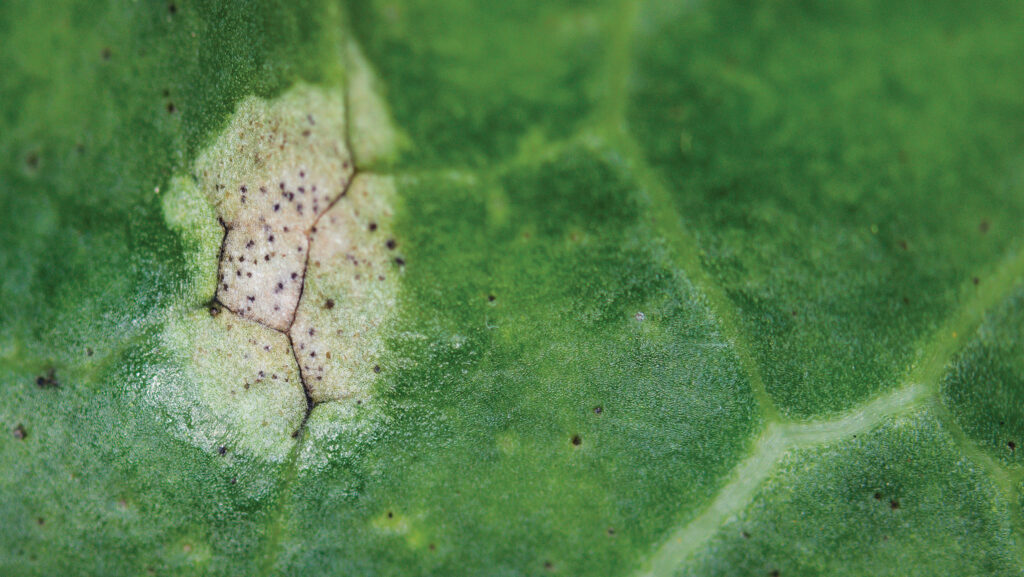
Following the mild and wet weather experienced over the past 10 days, phoma lesions are becoming increasingly evident across crops, so now is the time to get out into fields and start checking for symptoms.
Applications of propyzamide will soon be under way. Soil temperatures are currently too high for optimal application, but I expect conditions to become more suitable over the next 10 days.
These applications will play an important role in controlling broad-leaved weeds and some of the more challenging grassweeds, particularly blackgrass.
What an autumn we have had here in the West Country for establishing winter cereals.
Most winter wheat has now been drilled and emerged, with establishment looking excellent across the board, although has been slow in some cases due to how dry it has been.
Pre-emergence herbicide programmes have also performed particularly well, despite the dry conditions early on.
At this time of year, with both pre- and post-emergence herbicide applications taking place, it is particularly important to keep a close eye on the weather forecast.
Heavy rainfall shortly after application can increase the risk of crop damage, so ensuring suitable conditions before spraying remains essential.
Aphid pressure has dropped significantly over the past couple of weeks as temperatures have started to decline.
However, bird cherry-oat aphids are still present in some crops, so targeted aphicide applications are now being made where required.
For these applications, I prefer to alternate between two different active ingredients, with a particular preference for esfenvalerate due to its longer persistence.
Winter barley
Winter barley crops are looking strong and healthy, with second BYDV spray timings now under way where required.
There is a noticeable difference when comparing my hybrid barley varieties with conventional varieties.
The conventional barleys are currently looking considerably stronger, displaying better early vigour and establishment.
Following the high levels of BYDV pressure experienced last year, I have included Kestrel, with its BYDV tolerance, in my drilling plans as an additional insurance measure.
This has been particularly important on sites surrounded by woodland, in sheltered locations and in fields with a history of elevated BYDV pressure.
Attention in the West Country is now turning towards getting winter beans drilled and pre-emergence herbicides applied.
With the forecast for early November looking relatively settled and dry, conditions should be favourable for drilling beans to a good depth into well-prepared seed-beds.
As always with winter beans, herbicide options are limited, making a robust pre-emergence programme absolutely essential.
For both my customers and me, getting this first application right is a priority, as it provides the foundation for effective weed control throughout the growing season.
My pre-emergence programmes will often be based around pendimethalin, imazamox and clomazone, with propyzamide considered where blackgrass is a particular concern, subject to product approvals and label recommendations.
With very few post-emergence options available for controlling broad-leaved weeds, starting with a strong residual herbicide programme is critical to keeping weed pressure manageable and giving the crop the best possible start.
South
Anna Dunford, Hampshire Arable Systems/AICC (Hampshire, Surrey and Isle of Wight)
© Blackthorn Arable
The majority of winter drilling is now complete. It is difficult to assess the performance of residual herbicide applications yet, due to prolonged dry soils grassweed emergence has been slow, but now we may see a flush following the rains.
With a dry weather window predicted for the next week or so and soil conditions good, it is likely some growers will take the opportunity to increase winter cereal area with an uncertain spring ahead of us.
If drilling later seed rates should be increased to compensate for lower establishment.
We have seen a fair amount of “stripy” cereals emerging, red/yellow striping is indicative of seed that has emerged from depth, and some bleaching from herbicide applications is not uncommon – with a few weeks of good growth, crops should grow out of this well.
Unsurprisingly, given the warm temperatures we have had, pest pressure is high.
High numbers of bird cherry oat aphids are being reported, with a large number of these tested to be virus carriers (40-50%).
Therefore, remain vigilant checking crops and it is likely a further insecticide spray will be needed during November, even on recently emerged crops while the weather remains suitable for aphid flight.
Leafhoppers are very active in some areas – stand still for long enough and you are sure to spot them flitting around.
Frit fly and wireworm damage is beginning to show in affected crops, early nitrogen in the spring to encourage tillering will help.
Another pest making an appearance is the cabbage root fly in oilseed rape crops, affected plants are stunted and purpling, but normally appearing in the odd plant and not across the field.
Most OSR crops are looking well and even those poorer crops are filling in and putting more leaves on.
We are now beginning to plan in propyzamide applications, which should be made when soil temperatures at 30cm are below 10C. Soils are currently still too warm at between 11-13C.
Risk of phoma leaf spot is rising, but still below threshold in most crops (10-20% plants infected), it is likely that crops will be treated with a prothioconazole-based product at the Kerb timing. This will also protect against light leaf spot.