Farmer Focus: A working soil is key to reducing nitrogen use
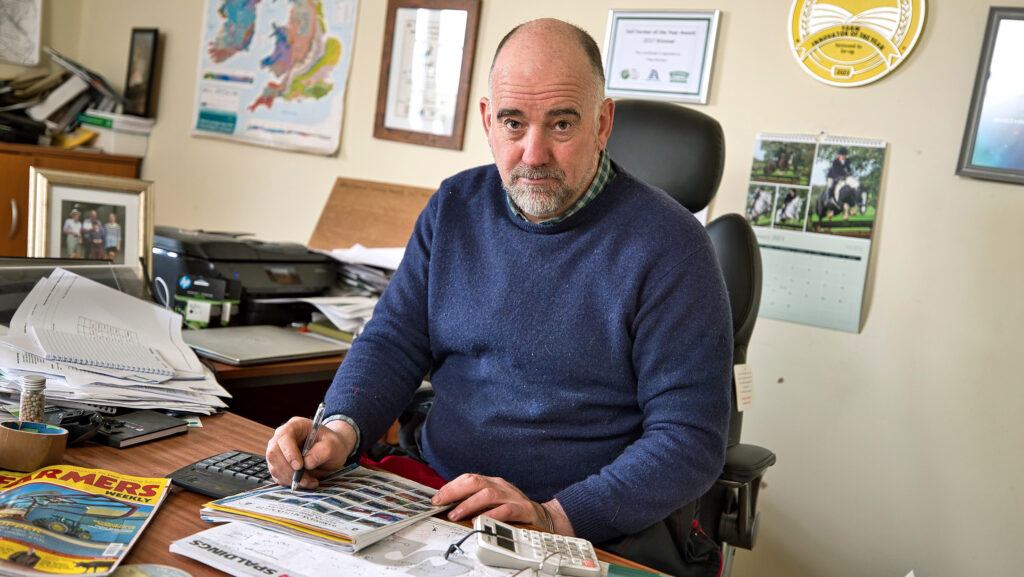 Tim Parton © Richard Stanton
 Fertiliser and fuel seem to be a big topic of conversation at the moment.
With the price of wheat, and unfavourable weather conditions (soil here is very dry), arable farming is not looking a viable business.
I always try to find a positive in everything, so the challenge is focusing on what can be changed for the better.
See also: Farmer-led trial reveals effect of cultivations on bird life
About the author

The overuse of nitrogen fertiliser has done so much damage to carbon levels within soil and microbial life.
Cost and supply might make people take a closer look.
For me, getting a working soil is the only answer to stepping away from high nitrogen usage.
Getting carbon levels high within the soil is key to the transformation of a dead soil to a working one.
Microbes break down organic matter to make nitrogen available as nitrate or as amino acids.
Amino acids will only be formed when the microbial bridge is functioning properly.
When synthetic nitrogen is used (nitrate or urea), 25% of the plant’s photosynthetic energy is used to convert that nitrate into proteins.
Whereas when the plant has available amino acids from the soil, that photosynthetic energy can be used to build stronger plant cells, boosting its immune system.
I have grown many crops with as little as 50kg/ha of soil applied ammonium and then foliar feeding the plant with organic amino acids for this reason.
Less energy is needed to feed the plant what it nutritionally requires.
I then monitor plant health through sap testing to make sure the plant has adequate energy to get to full potential.
I want the plant to be producing fat in the form of lipids and then I know it’s flying.
The best bit? I can achieve this without any gene editing.
Nature has long had its own strategy for growing healthy plants, we just need to understand that process.
How much more pain will growers have to suffer before they look at changing a broken system they have become comfortable with?