Farmer Focus: Iran war shapes next year’s cropping plans
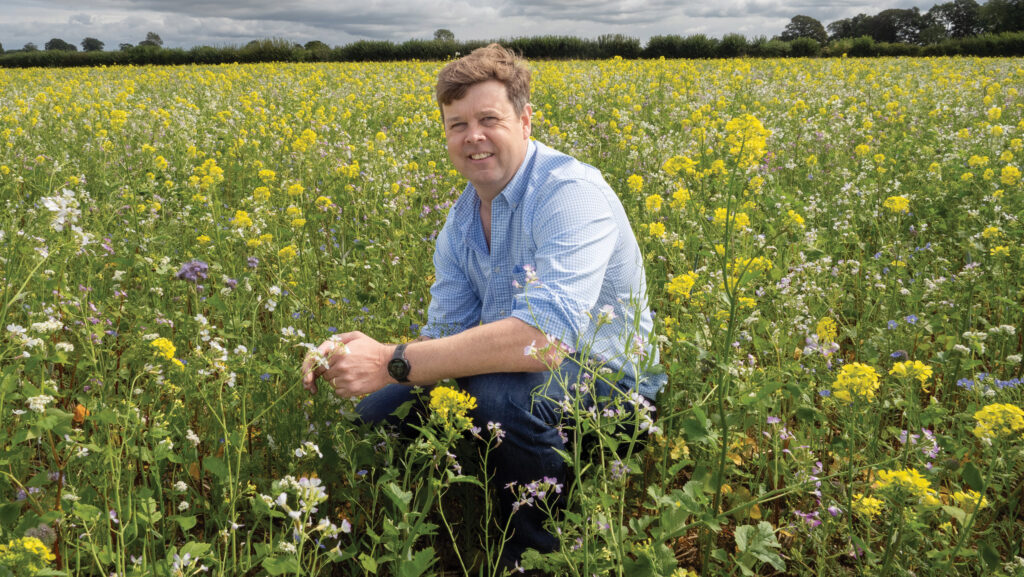 Robin Aird © Kathy Horniblow
 We finally had some meaningful rain over the bank holiday weekend.
The winter wheat crops were starting to show signs of stress on the shallow soils with substantial amounts of tipping and spotting on the leaves.
See also: What farmers can do to minimise rising alternaria threat in potato crops
About the author

This had not been helped by some excessive scorching when we applied the last dose of nitrogen onto the wheat.
However, on the positive side, the crops in general look clean and if we continue to have a few showers then hopefully, they can increase their potential.
The winter barley is about to have its T2, and this should then get it through to mid-June when we will forage it.
The crop is clean. However, with the warm temperatures and the gentle rain, there is the opportunity for disease to explode in the lush canopy.
Spring wheat is starting to tiller and with the very dry conditions post drilling, few broad-leaved weeds have made an appearance.
This crop is all low-input so will only be able to have an application of Eagle (amidosulfuron) if we do get a flush.
I am hoping to get grant funding for a mechanical weeder shortly which will help reduce our chemical inputs further.
Our maize has been planted into moisture and is coming up in row.
Chris and Joe did an excellent job of cultivating and conserving the moisture when we were having the drying easterlies, and Stretch did a quality job of planting the crop.
We have planted three varieties across the varying soil types in the hope that we can forage it all in one go.
We have been looking ahead to next year’s cropping as thoughts move to fertiliser purchasing and available margins.
The war in the Middle East does not seem to be abating and the prospect of higher fuel costs and input costs for the following crops are starting to really highlight crops that are not viable and others where there may be a slight margin.
Coupled with the uncertainty over environmental schemes, we are also considering if there will be any money left in the pot when we are allowed to apply.
I think the extension of the latest Farming Equipment and Technology Fund really shows that farmers are not willing to invest in a failing industry at present and, hopefully, the government will respond before it is too late.

Staying sharp shouldn't be a chore