Cereals 2026: Pea and bean guide helps growers monitor crops
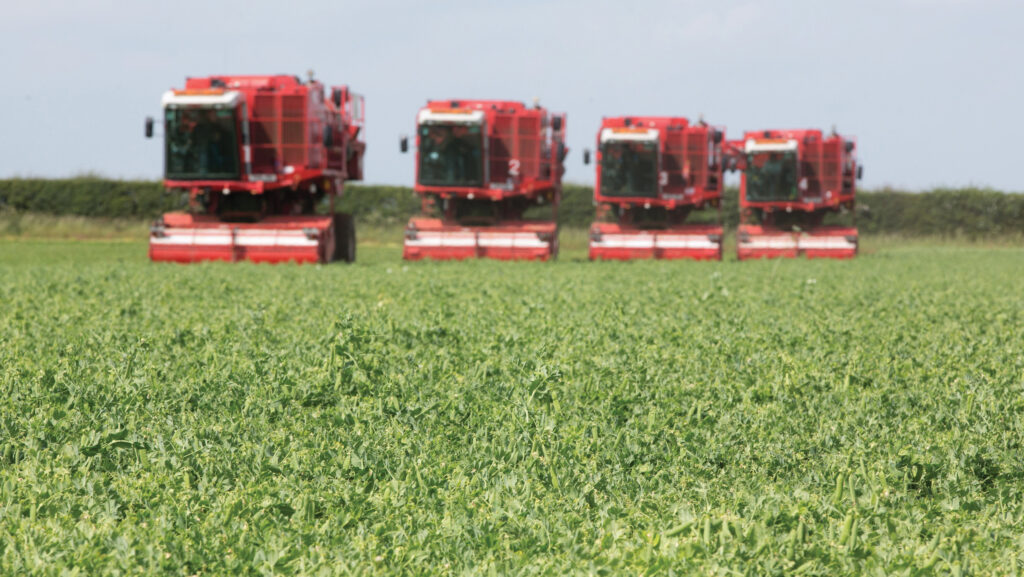 © Tim Scrivener
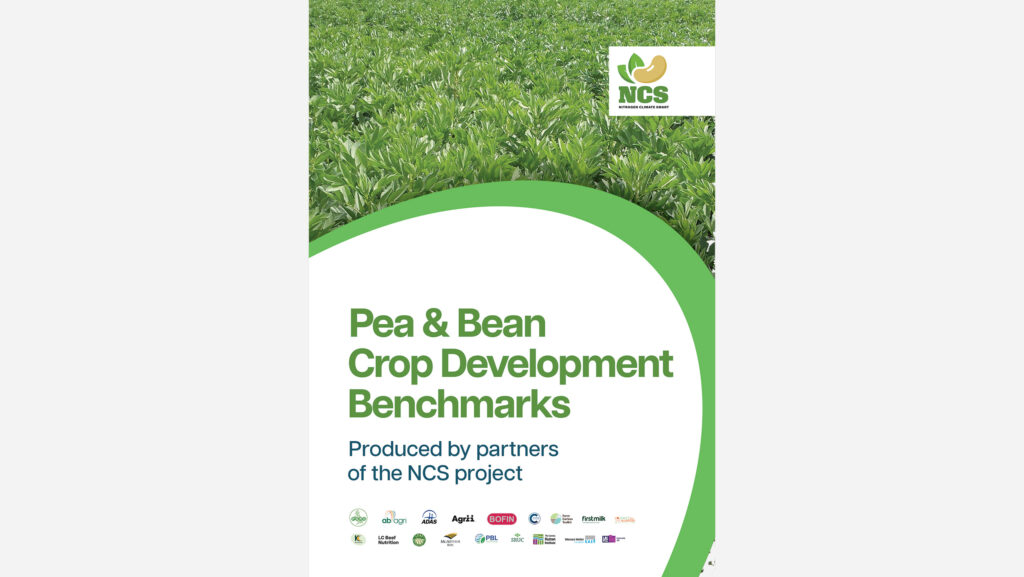
 A pea and bean benchmarking guide to help pulse growers assess crop development, optimise management decisions and improve crop performance has been published at the Cereals event by partners in the NCS project.
Developed by researchers from the Processors and Growers Research Organisation and Adas as part of the NCS project, the guide summarises the development of well-performing crops monitored through the pea and bean Yield Enhancement Networks (YEN).
It brings together key measures of crop growth and performance into a set of practical developmental benchmarks that growers can use to compare how their own crops are progressing throughout the season.
See also: Home-grown pulse incentive required to replace soya imports
The guide is intended to support both new and experienced pea and bean growers by enabling them to compare crop performance against development observed through the YEN programme.
PGRO research agronomist Erin Matlock said: “There’s no single formula for growing high-performing pulse crops, but these benchmarks give growers and agronomists a practical way to compare crop progress against the development patterns typically seen in successful pea and bean crops.
“By doing so, they can identify where seasonal conditions or management decisions may have influenced performance, while also highlighting opportunities to refine management in future seasons.”
© NCS
Adas senior research consultant Tom Wilkinson said the publication – alongside the PGRO agronomy guide and the BASF-sponsored growth guides – brings the guidance available for peas and beans in line with that available for cereals and oilseed rape.
“It’s a great outcome from many years of support and monitoring by the pulse industry and YEN growers.
“One thing that’s particularly exciting is that because the measurements were taken through the YEN, most of them should be replicable on individual farms too.
Free copies of the guide are available from participating project partners, including PGRO, Adas and British On-Farm Innovation Network (Bofin).
A digital version is also be available to download from NCS project website and via PulsePEP.
Benchmarking for field beans
Benchmarks are based on data from the top-yielding 50% of crops monitored between 2019 and 2025.
The crops were grown across the UK, predominantly under conventional management systems, with average row widths of about 20cm.
Typical nutrient applications were 15kg/ha of P2O5, 30kg/ha of K2O and 10kg/ha of sulphate.
Crops generally received one to two herbicide and fungicide applications, and zero to one insecticide applications.
Winter sown benchmarks are based on 39 crops averaging 6.3 t/ha at 15% moisture.
Spring sown benchmarks are based on 65 crops averaging 5.7 t/ha at 15% moisture.
Field beans – key example benchmarks |
||
| Benchmark | Winter sown | Spring sown |
| Plant population/sq m | 31 | 42 |
| Fertile shoots per plant | 1.7 | 1.1 |
| Pods per shoot | 12 | 15 |
| Total plant height (cm) | 117 | 116 |
| Height of the lowest pod (cm) | 30 | 25 |
| Seeds per pod | 2.9 | 2.8 |
| Seeds/sq m | 889 | 959 |
| Thousand seed weight (g) | 731 | 602 |