Duchy offers tenants route to ownership amid sell-off
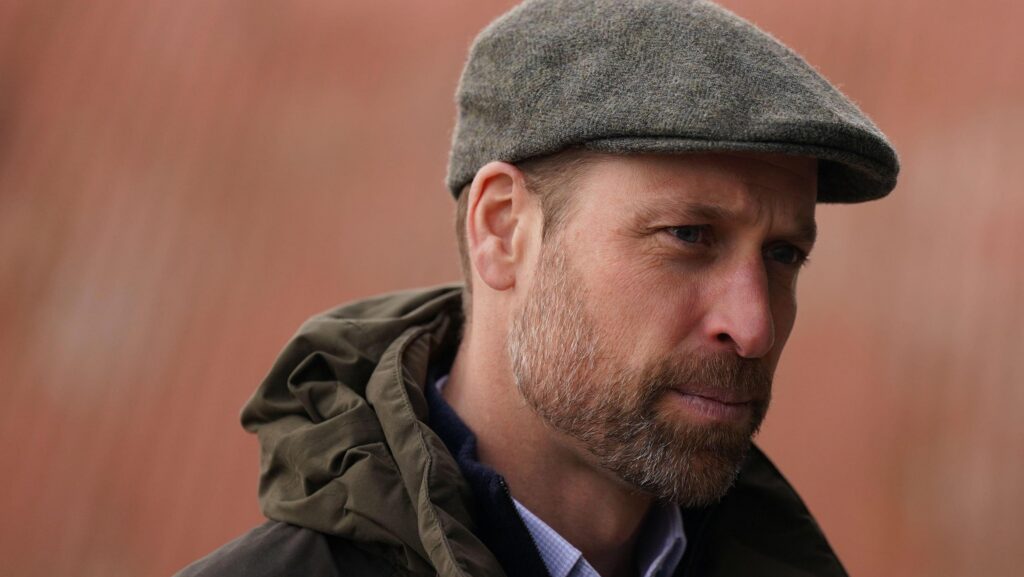 Prince William © Alamy/PA Images
 Tenant farmers are being offered discounted routes into ownership as the Duchy of Cornwall prepares to sell around 20% of its property portfolio by value under a £500m programme of investment in housing, renewable energy and environmental projects.
The Duchy, the private estate that provides income for the Prince of Wales, announced in May that it intends to dispose of around a fifth of its portfolio by value over the next decade as part of a strategy focused on affordable housing, rural enterprise, nature recovery and farm resilience.
Valued at about £1.26bn, the Duchy owns more than 52,000ha (128,400 acres) across more than 20 counties in England and Wales.
See also: Duchy of Cornwall reassures farmers amid estate sale concerns
The disposal programme is expected to take place over the next decade, although significant progress is expected over the next two to three years.
Tenant concerns
The plans have caused concern among tenant farmers, many of whom have traditionally regarded a Duchy tenancy as a long-term arrangement offering considerable security.
But the Duchy is said to be dealing with the process sensitively, holding face-to-face conversations with tenant farmers individually and offering flexible options for purchasing their holdings.
This includes offering discounted purchase terms, stage payments and the option to buy only part of an existing holding if needed.
George Dunn, chief executive of the Tenant Farmers Association (TFA), said the Duchy had also assured tenants that no one would lose their home.
“They have been very clear with us. No one will be made homeless by their decision to sell.
“And where they have the ability to serve notices to quit on FBT [farm businss tenancy] agreements, they are not using these. They will try to create a plan for these going forward.”
However, the assurance does not mean every tenant will necessarily remain on the holding they currently farm.
While the TFA has made clear its disappointment at the sell-off, it has welcomed the Duchy’s willingness to create what Mr Dunn described as a “runway” for tenants to move into ownership.
“They are willing to be flexible by giving discounts – bigger discounts than you would perhaps otherwise expect from a private landlord – and are looking at stage payments and allowing people to buy just a bit if that works for them in terms of the financials around that.”
There will, however, be tenants who are unable to take up the opportunity.
Some had hoped to remain Duchy tenants for the duration of their farming careers and acknowledge they have little prospect of buying land in today’s market.
For those farmers, the issue is not simply whether they want to buy their holding, but whether they have the financial means to do so in a sector where land values can make ownership unattainable.
Where that is the case, they are being supported by the TFA and other organisations to explore alternative options.
The TFA has welcomed the opportunity for some tenants to move into ownership but remains disappointed that land will be lost from the tenanted sector.
The association has also stressed that the Duchy’s disposal target relates to 20% of estate value rather than 20% of land area, meaning the eventual impact on agricultural acreage remains unclear.
Reports on the Duchy’s Bradninch estate in Devon suggest discussions are under way with 10 affected tenant farmers, with opportunities being explored for tenants to purchase their farms.
Drought and bluetongue
The uncertainty comes as many farmers are also grappling with prolonged drought conditions and the emerging threat of bluetongue disease.
The Duchy of Cornwall and the National Trust recently convened a meeting with the TFA and farm support charities to discuss the impact of both issues.
The TFA said it was having “fruitful, positive, but robust discussions” about managing the transition.
“We recognise there will be individuals who won’t be able to make the transition and we will be supporting them to have a viable future somewhere else,” said Mr Dunn.
Matthew Morris, the Duchy’s executive director for rural, said collaboration across the sector would be critical.
“Our focus is on working with our partners and farming communities to provide practical support where it is needed, while continuing to help build resilient, profitable farming businesses that can thrive long-term.”