Ag inflation at highest rate since invasion of Ukraine
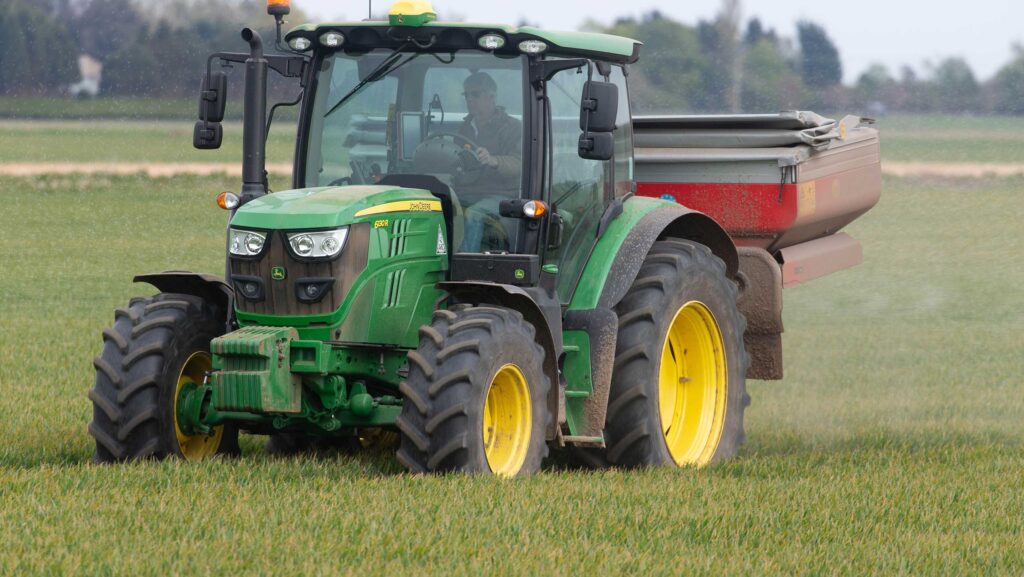 © Tim Scrivener
 Agricultural input inflation – agflation – is now rising at its fastest rate since early 2022, with the war in the Middle East signalling an even tighter squeeze on margins – especially for arable and dairy farmers.
New research by agricultural consultant Andersons puts the March agflation rate at 7.6% – meaning its weighted basket of farm inputs such as fertilisers, fuel and animal feeds costs 7.6% more than it did a year ago.
See also: Weekly fertiliser data gives farmers granular view of prices
“While levels remain below the peaks seen following the Ukraine invasion, continued disruption linked to the Iran conflict, particularly around the Strait of Hormuz through which circa 20% of global oil and gas flows, still presents challenges for input costs,” said senior research consultant Michael Haverty.
This cost increase is well ahead of both the March Consumer Prices Index of 3% (which measures general inflation in the economy), and the rate of food inflation at 3.2%.
Mr Haverty notes that, in contrast to 2022, when output prices rose alongside costs due to Black Sea supply disruption, current global grain and milk supplies remain ample and output prices are subdued.
“This highlights a clear ‘cost of farming’ squeeze that the sector is now facing,” he said.
Fertilisers
One of the steepest increases has been in the price of fertiliser, with about 30% of global urea constrained by the ongoing closure of the Strait of Hormuz, controlled by Iran.
“The production of ammonium nitrate is closely linked with gas prices, and this has driven farm-gate nitrogen fertiliser prices to about £500/t, where it is available,” said Mr Haverty.
“This presents immediate cost pressure, particularly for dairy systems with ongoing fertiliser demand through spring and summer.
“And while most UK arable fertiliser has already been purchased, even with the temporary ceasefire announced on 7 April, exposure remains for later applications.”
Rising energy costs, including red diesel, are also feeding through into machinery and contracting charges.
Consumer impacts
Livestock producers are also exposed to risk, especially if a prolonged conflict in the Middle East creates wider inflation and a more intense cost-of-living squeeze.
This could create particular challenges for red meat, as prices for beef and lamb are now substantially higher than pigmeat and poultrymeat prices.
Any reduction in consumer spending power is likely to be reflected in falling demand for more expensive food options.
“This points to a challenging outlook for UK farming, with margins under pressure from both sides at a time when support is declining in real terms,” said Mr Haverty.