Ag-inflation now running at 8.6% as input costs rise
 © Tim Scrivener
 Arable and livestock farmers are facing the highest input costs since just after the start of the Russia-Ukraine war in 2022, putting an unwelcome squeeze on margins.
Latest “agflation” figures from consultants Andersons, based on a wide range of farm inputs, show that costs are running 8.6% higher than 12 months ago – more than double the rate recorded immediately before the Iran conflict began in February.
See also: Hay and straw harvest better than expected despite drought
“With agricultural output prices still running 2.1% lower year-on-year, UK farm businesses are now navigating a damaging combination of geopolitical disruption, extreme heat and prolonged drought, all eroding margins simultaneously,” said senior research consultant Michael Haverty.
The Iran conflict continues to drive input costs higher.
UK spot prices for ammonium nitrate in July stood at £520/t, a £20 increase on June, and up from £390/t at the same point last year.
The introduction of the UK Carbon Border Adjustment Mechanism (an import tax) from 2027 will add further cost pressure for fertiliser.
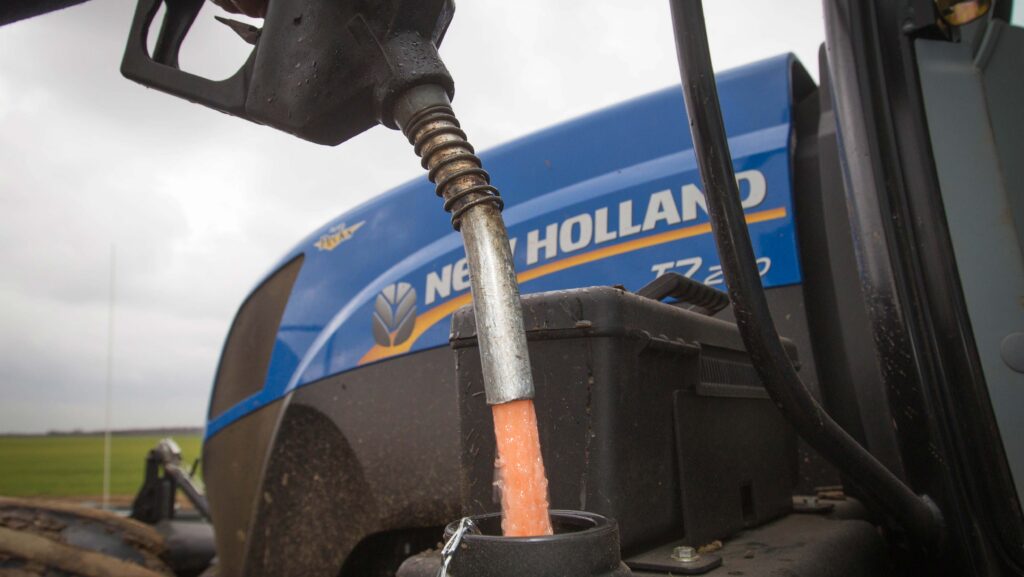
Tractor diesel, at 97.3p/litre, is nearly 40% above year-earlier levels, feeding directly into machinery running costs and contracting rates.
“The drought is also reshaping the arable outlook,” said Mr Haverty.
“UK winter wheat yields are expected to be below the five-year average, though London wheat futures for November 2026 have firmed to around £200/t as poor harvest prospects across the UK, EU and North America tighten global supply.”
Livestock sector
As for the livestock sectors, the dairy industry is facing the combined impact of below cost of production milk prices and the prospect of winter fodder shortages.
“GB milk deliveries ran 4-5% below year-earlier levels at the peak of the hot weather, as heat-stressed cows and scorched pastures forced many producers into supplementary feeding weeks ahead of schedule,” said Mr Haverty.
“Winter forage stocks are now a pressing concern, and for many dairy businesses the challenge over the coming months will be as much about feed availability as milk price.”
Beef and sheep producers are in a comparatively stronger position, he added, with tight domestic supplies underpinning farmgate prices.
The GB deadweight steer price has recovered to around 610p/kg, though finished lamb prices have now slipped below year-ago levels as new-season lamb numbers build.
“With geopolitical risk, extreme weather and structural policy change all bearing down on UK farm businesses at once, the outlook for the rest of 2026 is genuinely challenging,” said Mr Haverty.
Andersons will be holding an autumn webinar, “Prospects for UK Agriculture”, on 17 September, providing greater detail on farm profitability, trade and policy developments, and individual sector prospects.