Fuel and fertiliser prices soar as Middle East tensions rise
 © Adobe Stock
 Farmers are struggling to obtain key farm inputs, including red diesel and fertiliser, as major global supply-chain disruption hits the agricultural sector.
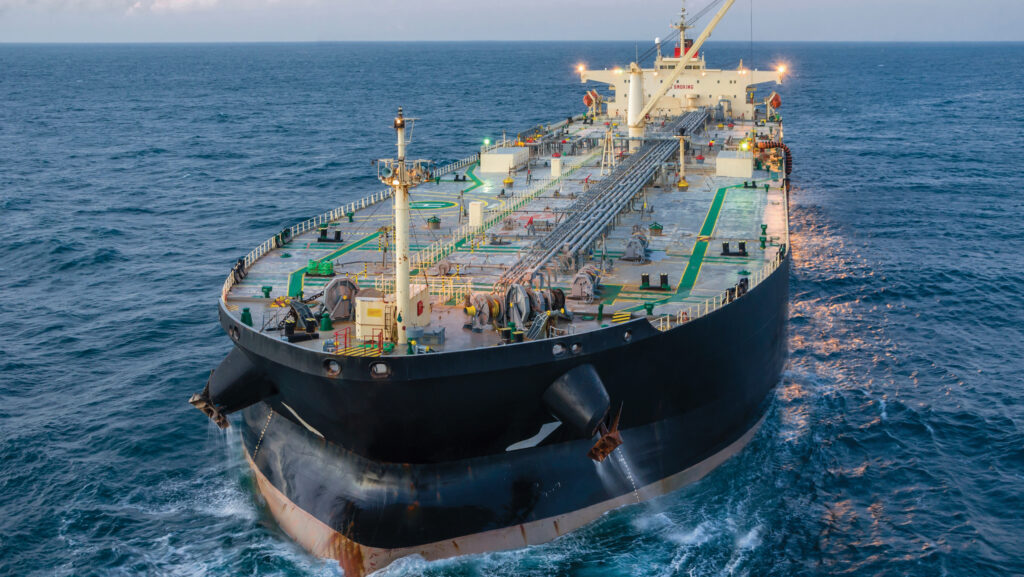
Conflict in the Middle East has caused a standstill in shipping through the Strait of Hormuz – a key route for global energy and commodity shipments – prompting surging oil markets and rising freight costs as insurers withdraw cover for the region.
Global oil prices have climbed sharply, with Brent crude trading above $84 (£63) a barrel on Wednesday 4 March, an increase of 17% on week-earlier levels.
See also: Wheat margin achievable in 2026 after tough year for growers
Red diesel soars
Fuel costs for farmers have jumped accordingly. Prices collected by Farmers Weekly showed red diesel up more than 20p/litre on the week to 98.37p/litre for a 5,000-litre delivery in the north-east and Scotland.
However, some fuel traders have even paused offers completely amid the volatility.
Farmers are ordering fuel and fertiliser at a time when UK arable field work and spring applications are picking up, making the timing of supply pressure particularly poor.
Supplies of fertiliser were already expected to be tight. The Agricultural Industries Confederation had urged farmers to order stocks early, but poor margins on arable enterprises meant many held off.
The AHDB calculated that nitrogen fertiliser had already increased by £50/t last year, and prices have continued to rally sharply.
Traders report granular urea delivered in bags was trading at around £427/t earlier in 2026, with some quotes now up around 10%, while others have withdrawn short-term pricing.
Lord Fuller, chairman of liquid fertiliser importer Brineflow, said: “This uncertainty couldn’t come at a worse time in a weather-delayed season, with farmers under cash stress leaving purchasing to the last moment.
“Prices have jumped sharply in Europe and have started to follow suit in Britain as freight costs jump and large consumers in South Asia, the Far East and the Americas have signalled their willingness to stomach significant price increases.
“Our regular shipment programme is under way to ensure all existing orders and those still to be made can be supplied.”
‘Don’t delay…’
Mandy McAulay, head of marketing at Origin Soil Nutrition, said orders may take slightly longer than normal.
She added that farm businesses may not receive their first choice of product and called on farmers to take product from hauliers when it’s offered and not delay.
“If you haven’t already bought, the situation is fluid, and it is quite volatile out there,” said Ms McAulay.
“Nitrogen based products are going upwards in terms of price because they naturally follow what happens in oil and gas markets.”
Aberdeenshire arable farmer Scott Campbell warned of low profitability ahead of spring.
“We have seen this before, with the war in Ukraine.
“But the main difference is this time that London wheat futures have not rallied.
“And, if they do, growers don’t have much if any malting barley contracts to hedge into to manage the risk,” he said.
Reliance on imports
The UK has become increasingly reliant on imported fertiliser, and high gas prices in Europe have heightened dependency on Middle Eastern supplies.
Save British Farming founder Liz Webster said: “Farming depends on stability, proximity and secure inputs.
“Policy over the past decade has too often increased our exposure to external shocks rather than reducing it.”
Grain and meat markets react to conflict
Global grain markets lifted in response to the latest turmoil in the Middle East, with UK feed wheat May futures reaching £172/t on 2 March – a two-month high – before settling at £169/t midweek.
Meanwhile, May 2026 Paris rapeseed futures surpassed €500/t (£437/t) for the first time this year.
Developments in the Middle East could also affect meat and poultry prices, according to Tony Goodger, head of communications at the Association of Independent Meat Suppliers.
He suggested Brazil – the largest poultry supplier to the region – may redirect exports to markets such as the EU.
“This could drive down prices for European consumers, which may lead to more EU exports, especially Irish beef, entering the UK,” Mr Goodger said.
“As previous conflicts have shown, disruption in the Red Sea, especially the Strait of Hormuz, could force Southern Hemisphere shipments to reroute via the Cape of Good Hope, adding 10-14 days to transit times.
“These delays raise fuel use by up to 40% and increase freight and insurance costs, which are, ultimately, passed on to consumers.”