Middle East turmoil pushes up farm inputs and grain prices
 © Stringer/EPA/Shutterstock
 Global commodity markets have spiked in response to attacks across the Middle East, with oil refineries and shipping vessels targeted by drone strikes.
Brent crude oil lifted above $82 (£61) a barrel on 2 March, an increase of 16% on week earlier levels, which is likely to drive up UK red diesel prices.
Fertiliser prices are also reportedly volatile as traders try to get a gauge of the ongoing situation.
See also: Global grain markets briefly spike in response to US tariffs
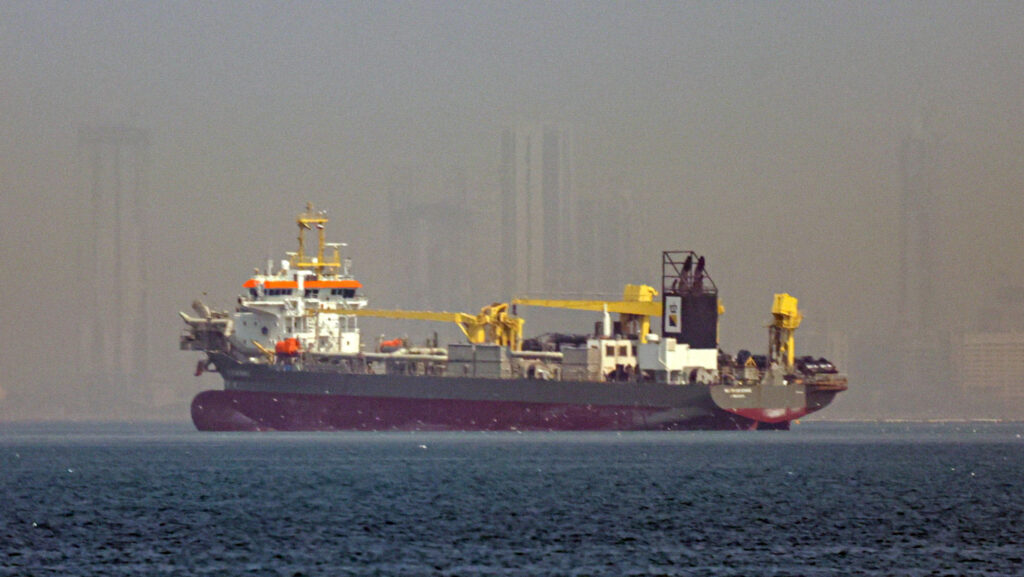
The Strait of Hormuz, a major global shipping channel, has reportedly come to a near-standstill, impacting further exports from the region.
Meanwhile, Saudi Arabia’s energy ministry confirmed that an oil refinery in the country was damaged by falling debris resulting in a fire, after two drone missiles were intercepted in its vicinity.
A joint statement following drone attacks in the region said:
“The Kingdom of Saudi Arabia, Bahrain, Jordan, Kuwait, Qatar, the United Arab Emirates, and the United States strongly condemn the Islamic Republic of Iran’s indiscriminate and reckless missile and drone attacks against sovereign territories across the region.
“These unjustified strikes targeted sovereign territory, endangered civilian populations, and damaged civilian infrastructure.”
Susannah Streeter, chief investment strategist at UK investment firm Wealth Club, said:
“Oil prices had already been creeping up as nerves became more frayed and they are set to shoot sharply higher given the risks of disruption to global oil supplies.
“Iran has the world’s third largest crude reserves, but the nation also controls the Strait of Hormuz, a vital passage for tankers and other ships.
“The closure of the strait, through which around 20% of global oil and gas supplies pass, would be hugely disruptive, particularly for other major oil producers in the region like Saudi Arabia.”
Grain markets
Global grain markets have rallied in response to the latest escalations in the Middle East, with UK feed wheat futures lifting to £172/t for the May contract on 2 March for the first time in more than two months.
Meanwhile, May 2026 Paris rapeseed futures surpassed €500/t (£437/t) for the first time this year.
Developments in the Middle East could also impact the price of meat and poultry, according to Tony Goodger, head of communications at the Association of Independent Meat Suppliers.
He suggested Brazil, which is the largest supplier of poultry to the Middle East, is likely to look to relocate exports into markets such as the EU.
“This could drive down prices for European consumers which may lead to more EU exports, especially Irish beef, entering the UK.
“As we have learned from previous conflicts in the region, disruption to the Red Sea and in particular, the Strait of Hormuz, will result in southern hemisphere shipping being rerouted via the Cape of Good Hope, adding 10-14 days to transit times.
“These delays increase fuel consumption by up to 40% and hike freight and insurance costs, which are eventually passed on to consumers.”