Politics continues to drive soya markets upwards
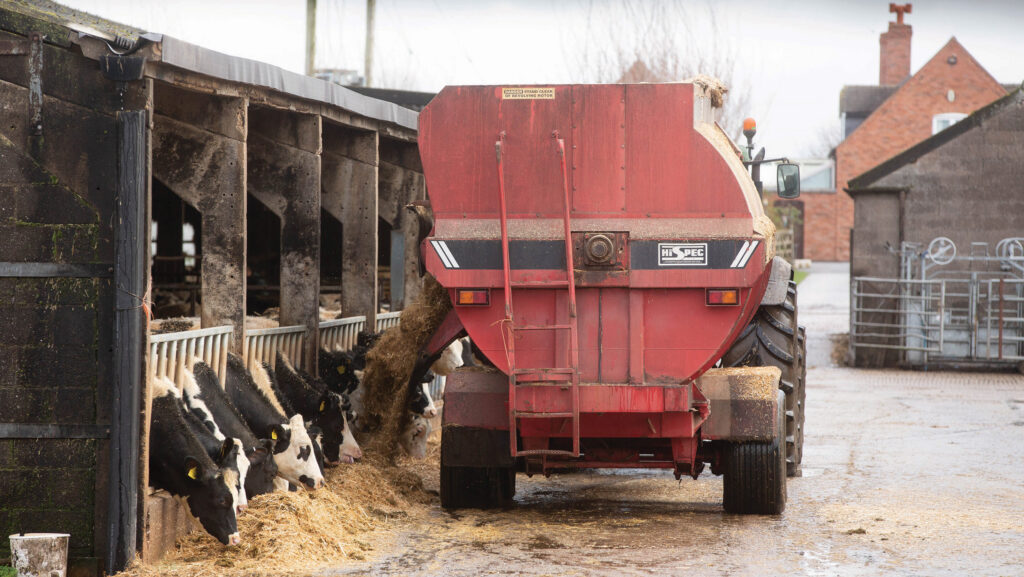 © Tim Scrivener
Regulation and geopolitical tensions are shaping feed prices, with uncertainty over deforestation rules providing particular support to soya values.
The EU’s Deforestation Regulation, which is due to take effect from 30 December and will affect Northern Ireland, is expected to affect soya imports, which will need to be shown not to come from areas where deforestation has occurred.
Similar rules are likely to be introduced for the rest of Great Britain during 2027.
See also: Gene-edited soya shows promise in UK field trials
Martin Barker, sustainability manager at Duynie, said this could require supplies from different sources to be segregated and stored separately.
“We are already seeing a two-tier system develop, splitting product from Europe, that is deforestation free, and product from South America, which is not,” said Mr Barker.
“Some buyers have been purchasing large volumes ahead of the change, distorting the market.”
If other markets, such as India, do not introduce similar deforestation rules, the same product could cost even more for UK buyers.
Michael Hanbury, product specialist at KW Alternative Feeds, said European buyers were seeking South American soya crop while it remained eligible, supporting prices. Demand had since slowed as buyers have built up stocks.
The US Department of Agriculture’s recent World Agricultural Supply and Demand Estimate report, published on 9 October, was actually seen as bearish for some commodities
Wheat, proteins and HiPro soya had moved lower, but by less than expected. November-forward HiPro soya was down £9/t on the week to £405/t on 21 October.
Maize weakens
One notable movement over the past week has been a fall in maize prices, with the Paris Matif November 2026 maize futures down €8.25/t over the week to €294.75/t on 20 October.
Forage supplies vary across the UK, with stocks dipping in mid- and southern England, but there is plentiful silage in northern areas and Scotland, said Andy Argo-Bennett, Duynie commercial manager for the UK and Ireland.
This had provided some relief from volatility in purchased feeds.
Demand for co-products remains high, with Duynie moving about 70,000t each month in the UK, mainly for dairy farms. However, competition from the government’s drive to expand biodigester capacity is putting pressure on by-product prices, he added.