‘Seismic waves’ on the way for farming as Iran war persists
 © GNP
© GNP UK farmers are being warned of a “seismic impact” from the ongoing war in the Middle East, with “crops rotting in the fields” and significant areas left unplanted this autumn.
The warning comes in a new report from the Central Association of Agricultural Valuers (CAAV), which says the effects of the ongoing conflict have yet to be fully felt.
Following three difficult years for cereal growers in particular, it predicts losses of around £138/ha this coming harvest, once support payments and diversification income are taken out of the calculation.
After soaring fuel and fertiliser costs start to bite, even deeper losses are forecast for 2027 – calculated at almost £70,000 for a 200ha arable farm.
“Domestic production of wheat and barley could be severely curtailed this autumn,” it warns.
Oil supplies
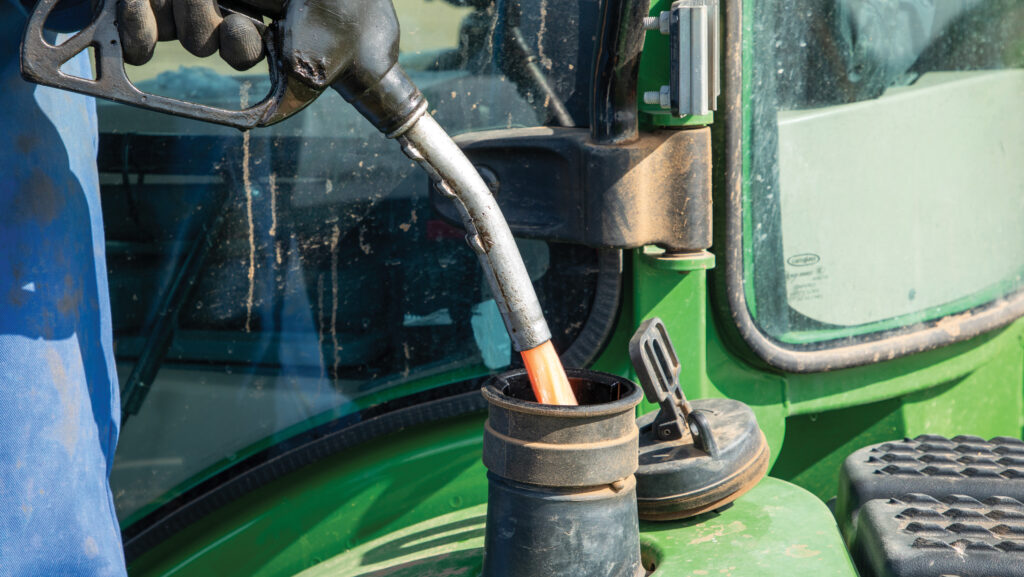
The CAAV is especially concerned by the impact of shrinking oil supplies, which has already caused the price of red diesel to climb to well over 100p/litre.
Recent reports by investment bank JP Morgan predict that Brent crude oil is likely to remain above $100/barrel for most of this year.
“Reviews of the oil market by sector experts point to a tipping point in supplies, with critically low global levels by the end of May and stocks exhausted by the end of June,” said CAAV secretary and adviser Jeremy Moody.
“So far, the major impacts have been on south-east Asian manufacturing, but seismic waves are coming towards us.”
Combined with a 53% increase in the price of ammonium nitrate and ongoing weather challenges, Mr Moody has warned of much reduced planting next autumn.
Cost of farming crisis
This downbeat prediction mirrors analysis by farm business consultant Andersons, which says farmers are facing a “cost of farming crisis”.
It notes that farm input costs are now running some 8.4% higher than they were a year ago, while prices for agricultural outputs have fallen by 5.8%, “tightening the vice on farm profitability”.
“Agflation is being driven primarily by continued disruption linked to the Iran conflict,” said senior research consultant Michael Haverty.
“Around 30% of global urea supply passes through the Straight of Hormuz chokepoint, pushing UK farmgate urea nitrogen fertiliser prices to around £650-£700/t.”
Dairy farmers face the most immediate exposure, given their need for spring and summer fertiliser.
But global fertiliser shortages will impact all UK farmers later in the year, he says.
Government action
According to Mr Moody, the government needs to act now, to ensure continued access to food.
He warns that “fuel may need to be prioritised to avoid crops rotting in fields this summer and enable autumn sowing”.
He points to the 2020 Agriculture Act, which provides for state intervention under “exceptional circumstances”, as used during the 2022 pig market crisis.
Defra, however, insists it is working closely with farming stakeholders “to make sure the sector gets the backing it needs”.
“We are taking the effects of the Iran war extremely seriously and are actively monitoring the impact of the conflict on the sector,” said a spokesman.
It also points to the 80% tax deduction on red diesel which saves farmers £300m a year, while a food summit in April suggested consumers will see no impact on food supplies.
Defra continues to monitor stock levels.
EU farmers plan ‘flash’ protest
EU farmers are planning a “flash” demonstration in Strasbourg next Tuesday (19 May) to coincide with the launch of an EU Commission “fertiliser action plan”.
The plan is expected to include measures to support EU farmers and the fertiliser industry, with an emphasis on cutting import dependence and developing alternative products.
However, EU farmer group Copa-Cogeca says it is “unlikely to address the scale of the crisis that has been unfolding since the conflict in Iran”, jeopardising food security and driving up consumer prices.