

Analysis: What SFI26 offer means for farm businesses
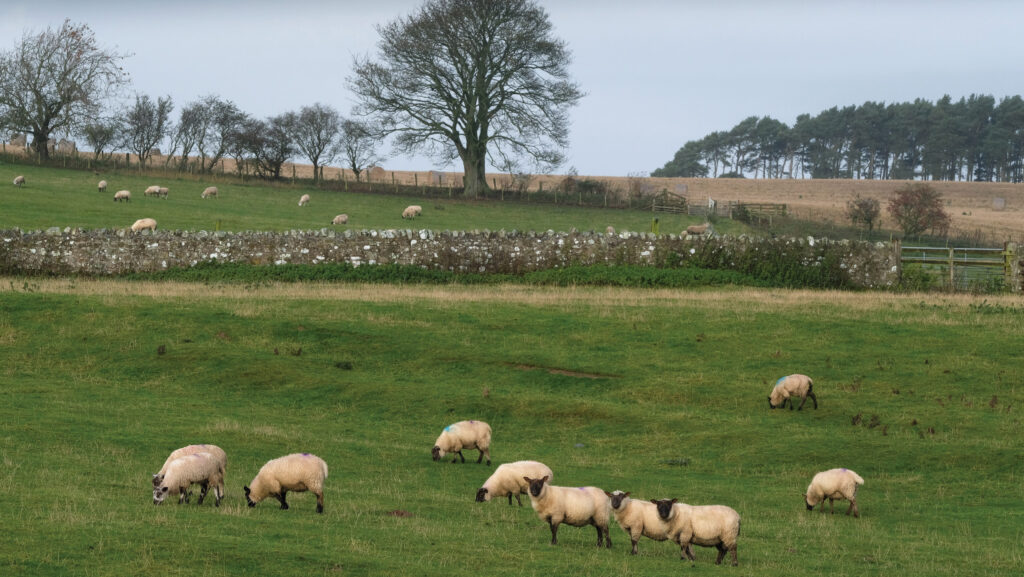 © Tim Scrivener
 After months of limbo, Defra has finally outlined the framework and actions for the 2026 Sustainable Farming Incentive (SFI26) – indicating that this is the foundation of the offer for the next three years.
The headline changes are clear – 71 actions instead of the previous 102, a new £100,000 annual agreement cap per individual farm business, tighter limits on rotational and area-based options, and a “two-window” application system, the first one starting in June and the second one in September.
On paper, it is a reset designed to steady the ship and manage the budget more efficiently after the SFI 2024 scheme was closed abruptly last March when the funding pool was exhausted. This time, Defra has set out what is available in advance to help farmers plan ahead.
See also: Defra overhauls SFI with £100,000 cap and 71 actions
Defra insists the new offer has been “shaped directly by industry feedback” and promises it will be “simpler, fairer, more stable”. But behind the rhetoric lie three issues that matter most to farmers – the cap, the cash and the capacity.
£100,000 annual cap
The introduction of a £100,000 annual cap per agreement is a higher-than-expected upper limit. Defra says 97% of farms with live agreements are already below this level, and that the cap will “ensure funding is shared more fairly”.
Defra farming minister Dame Angela Eagle says the cap is necessary after it was discovered 4% of businesses were receiving 25% of the SFI budget. She says her department wants to share the funding more fairly and ensure smaller farms are not squeezed out.
But for bigger farm businesses, the cap will feel less like fairness and more like rationing.
Chloe Timberlake, a farm consultant at Ceres Rural based in Oxfordshire, acts for several clients who have historically held agreements worth more than £100,000/year.
“With the funding shortfall, many of these clients will make the difficult decision not to continue with important environmental actions as a result of them being unfunded by the public purse,” she warns.
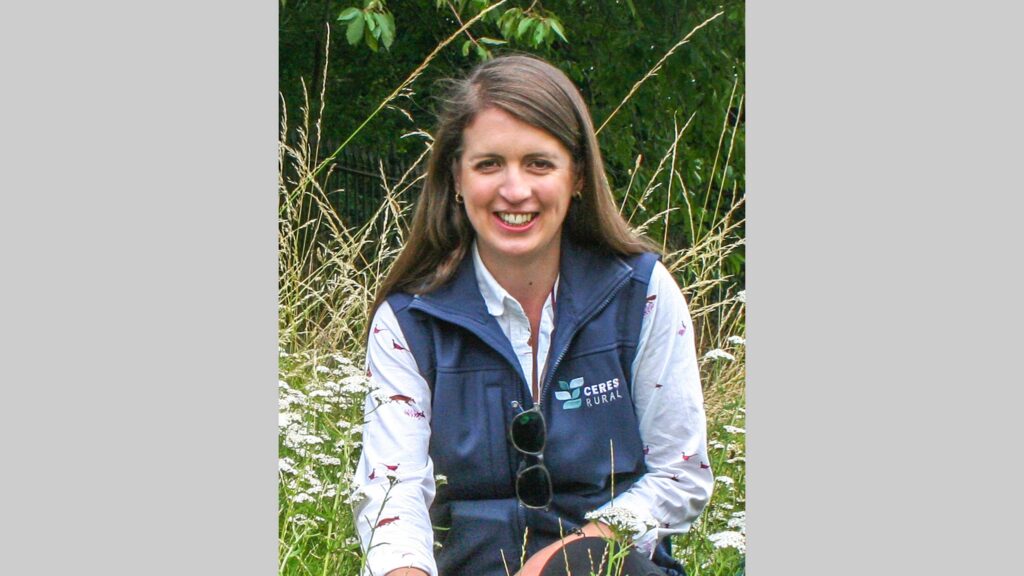
Chloe Timberlake © Pete Hughes
Ms Timberlake contends that ministers are looking at large estates purely on the percentage of agri-environment funding they absorb, and overlooking their contribution to nature recovery.
“They have the capacity to deliver connected habitats across their land and if they are not funded to do so, they won’t,” she warns.
Martin Lines, chief executive of the Nature Friendly Farming Network, is also concerned that businesses may balance SFI uptake against financial pressures, which could be detrimental to halting nature’s decline.
“Defra faces challenges in managing the SFI budget this year. However, I understand more budget may be available for future years,” he adds.
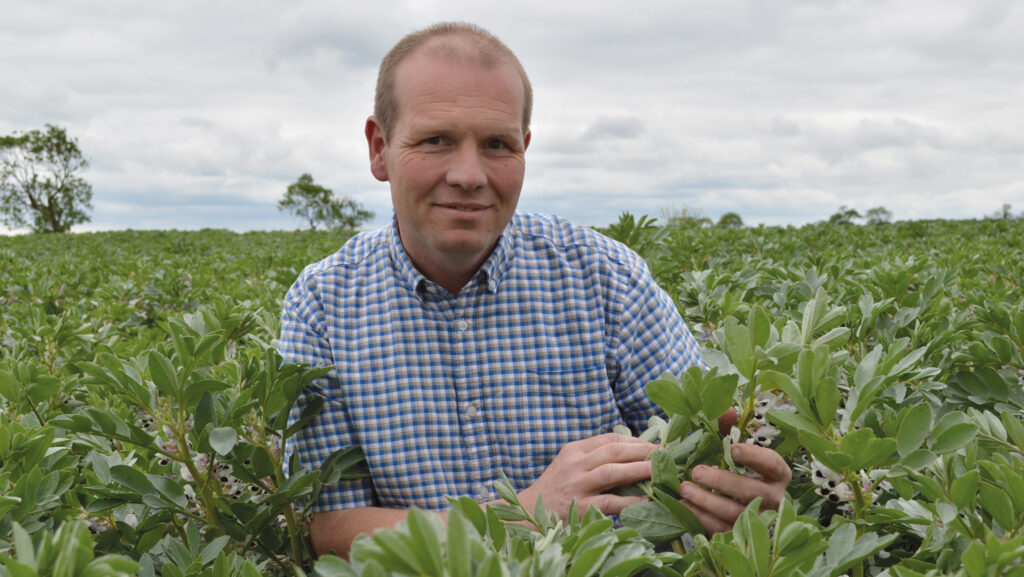
Martin Lines © MAG/David Jones
Budget uncertainty
Defra has promised to publish the budget before the first application window opens in June and provide updates as funding is committed.
Before then, the department will have further engagement with industry stakeholders to discuss budget allocations between the two windows.
For SFI26, application window one is restricted to small farms (3-50ha) registered with the Rural Payments Agency (RPA) and those without an existing RPA-administered Environmental Land Management (ELM) revenue agreement.
Window two will be open to all farms, but Defra says it “cannot set a fixed end-date at this point, because this will depend on how many farmers apply”.
Put simply, once the money is gone, it’s gone.
Ms Timberlake points out that those with existing SFI and Countryside Stewardship (CS) agreements expiring towards the end of this year may not be able to apply for SFI26 before January 2027, by which stage the funds could have run dry.
“This would unfairly penalise those who accepted a CS Mid Tier extension, kindly offered by Defra,” she says.
The Tenant Farmers Association has warned that demand in the September window could dwarf that anticipated in June. Chief executive George Dunn says: “It will be essential to ensure that there is sufficient budget available to meet the demand later in the year.”
If window one proves more popular than expected, funds could be exhausted before window two opens, leaving the scheme effectively capped.
For 2027 onwards, Defra will need to ensure SFI agreements align with farm tenancies, land management arrangements and day-to-day farming operations.
“For an arable farmer, starting an agreement in June during the cropping cycle doesn’t make practical sense,” Mr Lines suggests.
What it means on farm
SFI26 trims 31 actions, removing a swathe of assessment-based options including soil plans, nutrient management reviews and integrated pest management assessments.
Defra says it has cut low-uptake actions or those that deliver less for food production or environmental targets.
The £1,000 management payment has also gone, freeing up funds but removing a clear recognition of the administrative cost to farmers.
Rotational actions cannot exceed Year 1 levels. Enhanced overwinter stubble (AHW7) now sits within a 25% whole-farm cap, as part of 10 land-take actions.
Herbal leys, winter bird food and legume fallow payments have all been reduced – sharply in the case of herbal leys, down 41% from £382/ha in 2024 to £224/ha this year.
Defra claims the initial rates were “too high” and could have taken productive land out of food production. However, payment rates within existing SFI agreements will be unaffected.
Uplands and organic
Some of the revised rates offer a boost for upland and organic farmers (see panel). Moorland grazing and shepherding rates have risen significantly, with UPL3 (limited livestock grazing) up 68% from £66/ha to £111/ha, applying to existing and new agreements.
Christopher Price, chief executive of the Rare Breeds Survival Trust, says it is “particularly encouraging” to see moorland grazing and shepherding rates increased “to better reflect the realities of extensive livestock systems”.
Defra says the “core design” of SFI26 will provide a stable framework for the remainder of this parliament, though further refinements are anticipated.
Many hope this version will finally establish a reliable baseline, giving farmers confidence to plan long-term investments in land, crops and environmental management.
But if the pot is empty by autumn, that confidence will quickly erode.
Farmers weigh SFI26 pros and cons
Farmers across England are weighing up the new SFI26 offer and whether it makes sense for their businesses, if they are eligible to enter.
At Earls Hall Farm near Clacton-on-Sea in Essex, arable farmer David Lord runs 700ha and has a Countryside Stewardship (CS) Mid Tier agreement ending in December – as have more than 5,000 other growers.
“As we’re already in an ELM scheme, we will not be able to apply until September when most are able to,” he says. “I’m guessing the scheme is going to be really full by the time we’re able to enter.
“I am almost regretting going back into the one-year rollover for CS.
“I think it would be fairer for Defra to say, rather than the one-year rollover, you can have the option of entering the SFI in September if you want to.”
Mr Lord also questions the £100,000 cap per farm business. “It should not go against scale – whether you are really small or really big,” he says.
Suffolk grower Jeremy Squirrell shares concerns about the scheme’s complexity.
“I’m just going down the rabbit hole in terms of keeping up with all the rule changes and what the rules are for each option,” he says.
“You might have three similar options all under three different stewardship. Just to get everything in one agreement would be so much easier to know where you are.”
Organic sector welcomes support
The new package reveals that 11 of the organic options available in SFI 2024 have been retained, with just three dropped.
These include ongoing payments of £264/ha for overwinter stubble on organic land, £935/ha for supplementary winter bird food, and £380/ha for an under-sown cereal crop.
Crucially, the new SFI contains five actions to encourage the two-year conversion to organic farming, with annual payments ranging from £96/ha for converting unimproved permanent grassland, to £1,920/ha for converting to top fruit production.
Improved permanent grassland will attract an annual conversion payment of £187/ha, while rotational land will earn £298/ha.
The Soil Association said continued support for organic conversion and land management will boost confidence for those entering the growing organic market.
Explore more / Transition
During the series we follow our group of 16 Transition Farmers through the challenges and opportunities as they seek to improve their farm businesses.
Transition is an independent editorial initiative supported by our UK-wide network of partners, who have made it possible to bring you this series.
Visit the Transition content hub to find out more.
