

Cost of errors in farm support schemes jumps 82% to £73m
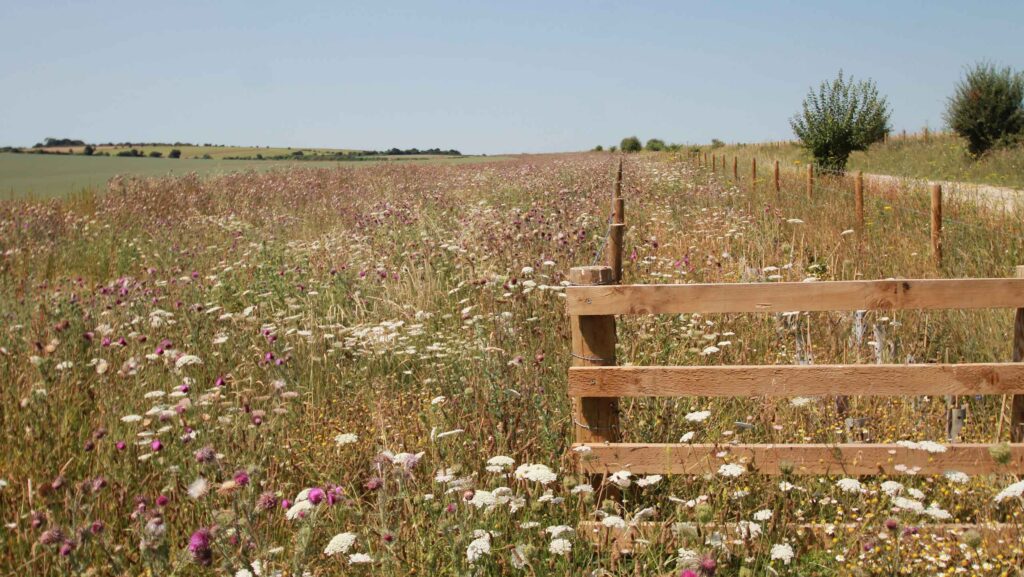 Pollinator mix © MAG/ Phil Clarke
 Errors and non-compliance in farm support schemes almost doubled last year in England, with Defra unable to say whether its planned Sustainable Farming Incentive (SFI) reforms will reduce the problem.
The estimated cost of such errors and non-compliance actually rose by £33m to £73.4m in 2025-26, according to the Rural Payments Agency’s (RPA) latest annual report – a jump of 82%.
See also: Three-quarters of SFI26 Window 1 funding now allocated
As a result, the overall error rate across England’s farm support schemes rose from 2.87% to 4.23% of total scheme expenditure.
The RPA said the rise reflects the growing share of spending going through more complex environmental schemes, including the SFI and Countryside Stewardship.
Its analysis identified a number of causes, including scheme design, mapping and measurement challenges, misunderstanding of scheme requirements and limited opportunities for agreement holders to declare under-delivery.
The agency said simplifying schemes forms a core part of its response and has informed the design of SFI 2026.
However, when asked how much the changes are expected to reduce future error levels, Defra was unable to provide an estimate.
A spokesperson for the RPA said: “We have worked hard to make the new SFI application process as straightforward as possible so that farmers know what they are committing to deliver.
“We are continuing to work with Defra on all aspects of farming schemes design and delivery to reduce errors and non-compliance in the future.”
No assessment of effect on farm incomes
Defra also confirmed it has not carried out a specific assessment of how the simplification measures will affect overall farm incomes.
The department said the redesigned scheme aims to widen access while maintaining income opportunities and payment certainty.
Changes include a £100,000 annual agreement cap, a single agreement per farm business, the removal of the SFI management payment, a reduced range of actions, and the conversion of some five-year agreements into three-year agreements.
Greatest contributions
The department also disclosed which actions contributed most to error levels during 2025-26 to Farmers Weekly.
In Countryside Stewardship, these included winter bird food, two-year sown legume fallow, maintenance of traditional farm buildings and cultivated land buffer strips.
Within SFI, the largest contributors included winter bird food actions, herbal leys, pollen and nectar mixes and flower-rich grass margins.
The RPA’s report says elevated levels of errors and non-compliance are likely to remain for several years as environmental schemes make up an increasing proportion of farm support spending.

Explore more / Transition
During the series we follow our group of 16 Transition Farmers through the challenges and opportunities as they seek to improve their farm businesses.
Transition is an independent editorial initiative supported by our UK-wide network of partners, who have made it possible to bring you this series.
Visit the Transition content hub to find out more.
