Sustainable Farming Incentive 2026: The haves and have-nots
 © Tim Scrivener
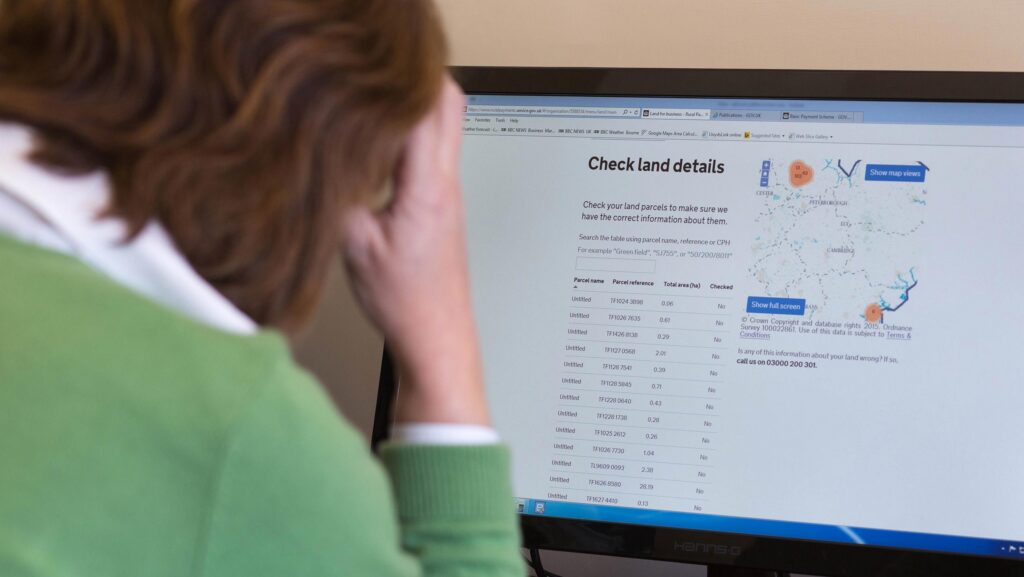
 The 2026 Sustainable Farming Incentive (SFI) created clear winners and losers, with some farmers beaten not by eligibility, but by the clock and the computer.
SFI26 Window 2 opened at 10am on Tuesday (22 September) and closed less than six hours later at 3.48pm after about 12,200 applications.
Defra allocated £253m, with demand so strong ministers added a further £20m on the day.
Across both SFI26 windows, £310m has been committed to new agreements, which Defra says will deliver £930m of environmental investment over three years.
See also: ‘Computer said no’: Allerton Project left in limbo after SFI chaos
More than 8,800 applicants had existing Environmental Land Management agreements due to expire by February 2027, while more than 1,100 had no current agreement.
The most popular actions were very low-input grassland, hedgerow management and herbal leys.
Many farmers missed out because applications could not be submitted in time, while others reported Rural Payments Agency (RPA) IT problems.
Defra said incomplete applications would not normally be accepted, except where farmers needed assisted-digital support or had reported a technical issue with the application service before the deadline.
Farming minister Stephen Morgan acknowledged those who missed out would be “deeply disappointed” and said alternatives to the first-come, first-served approach would be considered for SFI27.
NFU vice-president Robyn Munt said the strong demand for SFI illustrated that many farm businesses want to deliver for the environment.
It was now essential that Defra sets out further details of SFI27 and access to Countryside Stewardship Higher Tier, she added.
But the stories below reveal a day that felt more like a Glastonbury ticket scramble than a flagship government farming scheme.
Philip Weston – computer glitch
Fifth-generation arable farmer Philip Weston, from Hartwell, Northamptonshire, employed an agent and had pre-populated his SFI26 application on separate software.
But one field, where a land-use change had already been resolved, continued to flag an error on the RPA system.
© Philip Weston
The system would not clear it. Shortly after the scheme closed, the error corrected itself.
Mr Weston had already spent heavily on seed, fuel and fertiliser and expected an agreement worth about £110,000 over three years.
He said: “We don’t know if this is possible now because of a glitch at their end. It’s frustration beyond frustration.”
He is now considering spring beans on land intended for SFI.
He has contacted the RPA but is still awaiting a response.
Tim Smith – locked out collecting award
Somerset farmer Tim Smith was travelling to collect the Water Quality Farmer of the Year award when SFI26 opened.
“I had done all the SFI preparation in advance and had my laptop and all the maps in the car with me,” he said.
He activated the application at midday but did not reach the hotel until the afternoon.
After completing the verification and loading the application, he was told the scheme had closed.
Mr Smith estimates the lost income at £20,000/year – £60,000 over three years.
“I may well now put those leys onto maize and bring the margins back into the arable rotation,” he said.
“It’s not something I want to do, but margins are so tight and I can’t afford not to be paid.”
Clive Bailye – AI to the rescue
Staffordshire arable farmer and The Farming Forum director Clive Bailye turned to AI tool Claude to help him navigate the SFI26 application process.
He managed to beat the clock and submit his application before the window shut.
Liz Webster – in, but not with everything
Wiltshire farmer Liz Webster and her husband submitted their application 15 minutes before the deadline.
But the time pressure meant they could not include all the options they wanted.
Jeremy and Robin Plank – another near miss
Berkshire tenant farmer Jeremy Plank and his brother Robin planned an SFI26 agreement centred on herbal leys. Their agent could not submit before the window closed.
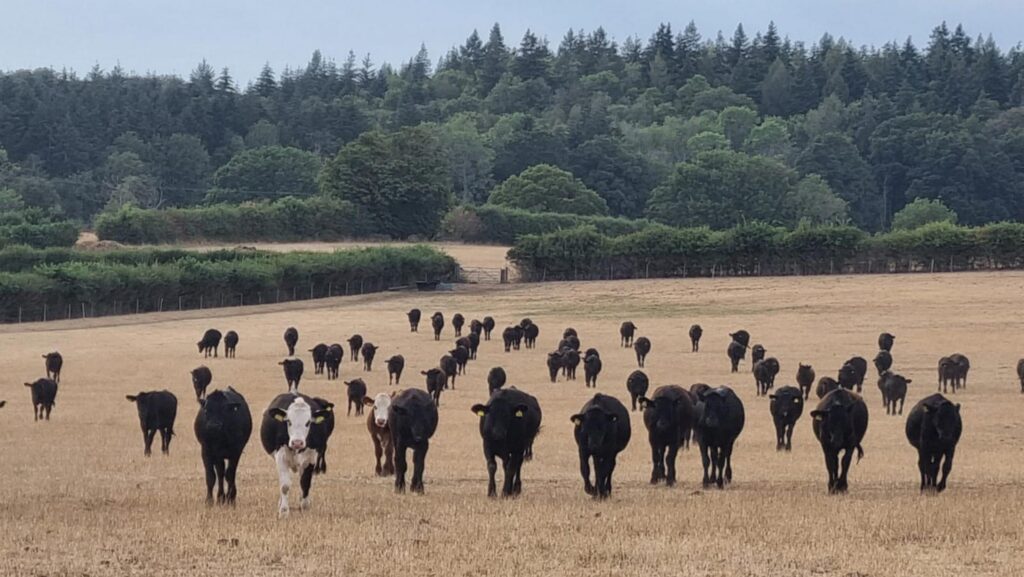
Drought-striken herbal leys at Jeremy Plank’s tenant farm
It is the second year running they have missed out.
“We’ve got no stability,” Jeremy Plank said. “Missing out on SFI26 has left us with no extra money.
“It’s a real ‘hit’ with the two difficult summers we’ve had.”
Martin Williams – watched from sidelines
Herefordshire farmer Martin Williams did not apply because he already has several years left on his SFI agreement.
But he questioned whether the scheme has become too thinly funded to deliver the government’s environmental ambitions.
“Defra knew there would be strong demand,” he said. “Maybe they could have capped it even lower to £50,000 a farm?”
His bigger question is whether private finance will eventually fill the gap.
“Do they think private finance is going to come in in 2029 and pick up this SFI omni shambles?”
Defra response
Defra farming minister Stephen Morgan said farmers would receive almost £1bn over three years through new SFI26 agreements, with nearly a third of a billion pounds paid annually.
He said the government had introduced a £100,000 cap on applications to create a fairer system, arguing that previously a quarter of the funding had gone to just 4% of claimants.
The changes were also designed to prioritise smaller farms and those new to environmental land management schemes.
Mr Morgan acknowledged that farmers who missed out on a Window 2 agreement would be “deeply disappointed”, particularly given the challenges faced by the sector this year.
“I have heard those concerns,” he said, adding that Defra would work with farmers to shape SFI27 and explore alternatives to the first-come, first-served application process.
Got an interesting SFI26 story to tell? Email philip.case@markallengroup.com