Pig sector unnerved as processors end contracts and cut jobs
 © GNP
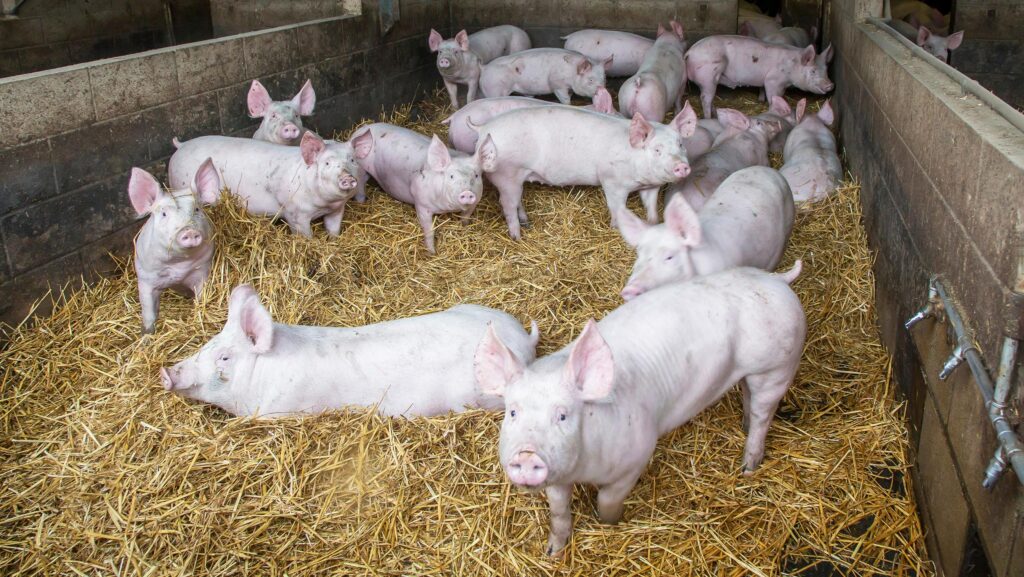
© GNP Pig producers across Europe continue to face significant challenges, driven by low farmgate prices, contract uncertainty, and structural reforms by processors.
While the scale of backlogs of pigs on farm appears to be diminishing, the sector remains in jeopardy.
Producers have been left in a vulnerable position with many supply agreements being adjusted or even terminated, and demand for pigs outside of contract remaining extremely limited.
See also: SPS deal with the EU due to be agreed next month
The National Pig Association has suggested that all the major UK processors have been serving notice on their producers’ contracts in recent months.
It has also called on Defra to hold an urgent industry roundtable in order to address the significant issues facing the pork sector.
Mark Haighton, pork sector director at the AHDB, said: “After two or three years of relative stability, pressure has returned.
“Market prices have softened, margins are tightening and many businesses are dealing with input cost volatility, labour challenges and continued uncertainty.”
Northern Ireland
Pig producers in Northern Ireland are also under pressure, with uncertainty remaining around supply contracts.
The Ulster Farmers’ Union (UFU) recently met with major pork processor Sofina Foods to discuss some of these concerns.
UFU deputy president Clement Lynch said: “Pig producers are facing huge uncertainty, and for many of these family farms this is not simply a commercial inconvenience; it is about the future of their business.
“These are farm families who have invested in their units, looked after their animals, supplied the market over many years and built their businesses around agreed supply routes.
“They deserve clarity, respect and proper communication.”
Redundancies at Danish Crown
Europe’s largest pig producer, Danish Crown, has announced it is consolidating parts of its supply chain as part of a major organisational restructure.
Roughly 800 redundancies are expected during the next two to three years as part of the restructure.
Danish Crown group chief executive Niels Ulrich Duedahl said: “By consolidating functions at group level, we can leverage our scale better, work more consistently across the organisation and create a more efficient operation.
“Instead of doing things differently depending on which country you are based in, we need shared standards, systems, and targets.
“Over the next two to three years, this means fewer management layers and fewer employees.”