Tight stocks keep straw and forage prices elevated
 © Tim Scrivener
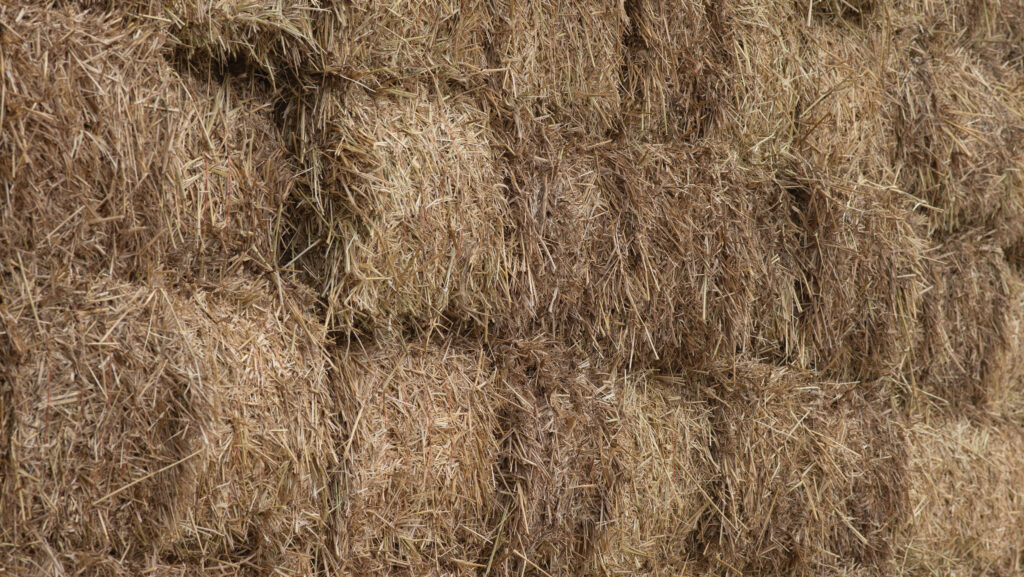
 A shortage of fodder has kept straw prices high throughout the past year and the prospect of tight supplies again this autumn is keeping markets supported.
Straw prices are already roughly 20% higher than last year and are likely to stay firm throughout 2026, supported by low stocks and higher fuel costs, which could push up contracting expenses.
See also: Barley crops faring well but demand from maltsters muted
Ex-farm prices for big square-baled wheat straw ranged from £80/t in the eastern counties to £135/t in the South West, according to the British Hay and Straw Merchants Association.
It says there has been little change in prices, while demand is slowing as a greater proportion of livestock is now out at grass.
Roughly three quarters of the UK’s winter wheat crop is rated as in either good or excellent condition, according to AHDB’s latest crop development report.
Overall crop quality remains higher than last year, although drought stress is reportedly causing issues in some areas, with recent dry weather impacting crops – and potentially straw and forage supplies later in the year.
The report says winter wheat yields will be highly dependent on rainfall levels over the next two to three weeks. UK wheat production is forecast to increase to 13.5m tonnes for the 2026-27 marketing year, according to the US Department for Agriculture.
Logan Clow, an agricultural specialist at the USDA’s Foreign Agricultural Service, said average UK yields were forecast to recover to 7.94t/ha for 2026-27, compared with an estimated 7.45t/ha in 2025-26.
UK cereals prices have also seen some improvement in the past week with UK feed wheat futures closing at £186.80/t on 5 May for the May 2026 contract.
Alternative supplies
Hauliers have been bringing in straw from France throughout the winter to satisfy demand, while some farm businesses have been switching to alternatives for bedding livestock.
Liz Russell, of livestock bedding supplier EnviroSystems, said: “When straw availability becomes unpredictable, it’s not just a cost issue; it becomes a herd health and welfare issue very quickly.
“As a result, paper-based bedding, once viewed as a contingency option, is now viewed by many farmers as their main bedding option due to the consistency of the product, its benefits to herd health and welfare, and security of supply.
“We’re not just seeing interest, we’re seeing real pressure from farmers who simply can’t get hold of consistent, good-quality bedding.”