

Badger TB vaccine study unveiled
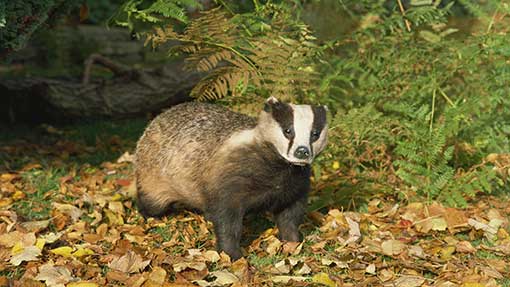
Details of the scientific studies that led to the first tuberculosis vaccine for badgers have been published by the government.
DEFRA made public supporting data behind the Badger BCG vaccine, which was licensed by the Veterinary Medicines Directorate in March this year.
The studies were carried out by the Veterinary Laboratories Agency (VLA) and the Food and Environment Research Agency (Fera).
They show that the vaccination of badgers by injection with BCG significantly reduces the progression, severity and excretion of Mycobacterium bovis infection.
The field study was conducted over four years in a naturally-infected population of more than 800 wild badgers in Gloucestershire.
Vaccination resulted in a 74% reduction in the proportion of wild badgers testing positive to the antibody blood test for TB in badgers.
Research results have been published on the Defra website.The findings indicated a clear effect of vaccination on badger disease, said DEFRA.
But the blood test was not an absolute indicator of protection from disease, so the field results did not reveal the degree of vaccine efficacy.
Results from the laboratory and field studies didn’t lend themselves either to giving a definitive figure for Badger BCG vaccine efficacy.
Nor did they provide information on the effect of badger vaccination in reducing TB incidence in cattle.
A scientific paper summarising the results of the injectable BCG badger vaccine research has been accepted for publication.
It will be published shortly in the scientific journal Proceedings of the Royal Society B (Biological Sciences).