

First maize harvest is just a ‘salvage operation’
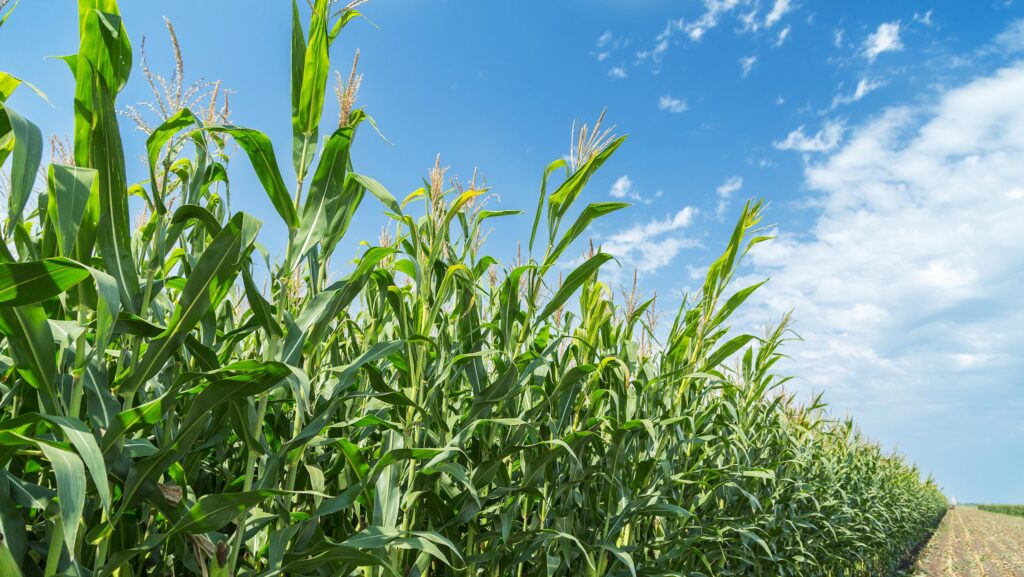 © Adobe Stock
 Maize harvesting is already under way in parts of the UK worst hit by drought and high temperatures as growers seek to make the most of dying crops.
In Cambridgeshire and Norfolk, where large acreages are grown principally as a feedstock for anaerobic digestion (AD), crops have already been removed in what is described as a “salvage operation”.
See also: Drought declared across England’s key farming regions
Jon Myhill of the Maize Growers Association says plants are unlikely to have developed much in the way of cobs this early in the season and feed value will therefore be very poor.
“It is not very good news for any growers that are harvesting already as it will probably be a salvage job of crops that are nearly dead,” he told Farmers Weekly.
Mr Myhill said that, generally, maize is the one crop that can tolerate the type of weather conditions being experienced in the UK this summer.
But where it is grown on light land or not planted in a very good seedbed, it will have struggled from day one.
Promising
In other regions, where farmers drilled the right varieties in good conditions, and where rainfall has been higher, crops are looking promising, especially in contrast to bare grassland in those areas.
“I spoke to one grower in Devon who has got some good maize,” said Mr Myhill.
“But his yields are going to be average at best and his grass has disappeared completely, so he won’t have a fourth cut of silage as he normally would, which is concerning going into the autumn and winter period.”
Maize is often grown in very hot, dry conditions on the Continent, but UK varieties are significantly earlier in nature as the aim is to harvest in early September to protect soils and to prevent future water run-off.
Early maturing varieties are not as deep rooting either and therefore have less tolerance to drought.
“The spring and summer weather has been at the extremes for maize establishment and growth,” said Mr Myhill.