

Tips for deterring starlings before winter flocks arrive
 © Adobe Stock
 Hit early, hit hard and be consistent with scare tactics to prevent “scout” birds from settling and avoid ending up with a whole flock of starlings on farm this winter.
This advice comes from consultant Graeme Smith of Precision Nutrition, who is based in Somerset where there is a big migratory starling population.
“Scare for at least three or four weeks – if not longer. Once you see 30 or 50 starlings, hit hard and consistently,” he says, adding that scare tactics are not effective once the whole flock arrives.
See also: Advice as drought pressures dairy forage stocks
Easy pickings
Starlings are clever and soon become habituated to control methods, meaning they are no longer scared, says Graeme.
They like livestock farms where they can get an easy diet of grains from maize and wholecrop cereals, either in a total mixed ration (TMR) or an open clamp face.
Some farms are especially attractive because they also provide a good roosting site if there is woodland or suitable trees nearby, he adds.
Laser pens are good deterrents used inside buildings, though Graeme questions how often anyone can use one: “It might be occasionally, not every 15-30 minutes,” he says.
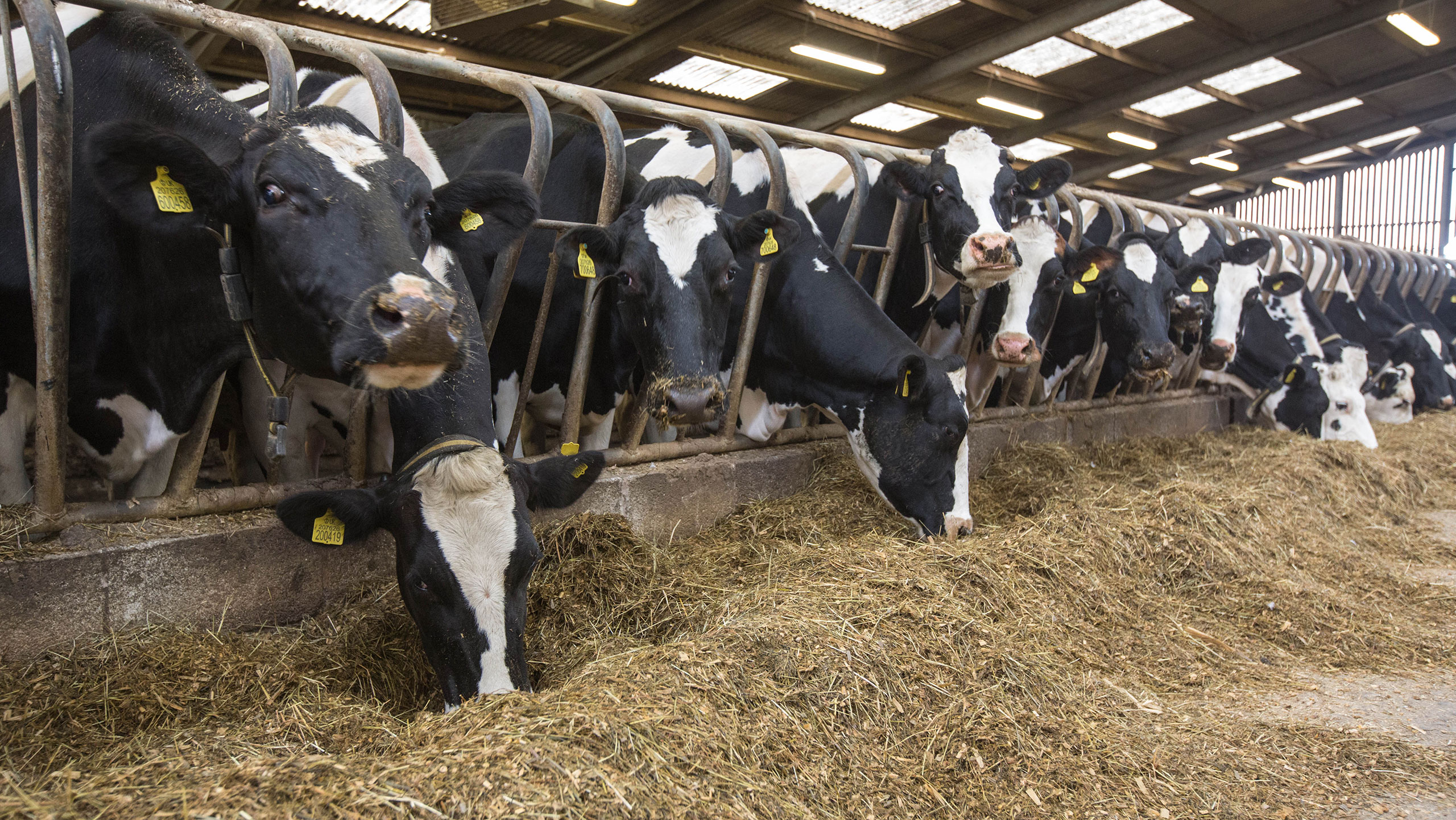
Maize clamps and total mixed rations offer an easy feed for starlings © Tim Scrivenerd
Garlic deterrent
The best solution he has seen is a food additive that works 24/7. Called Avianex, it needs to be in the ration from 1 September – and fed all winter.
“It’s very heavily garlic based, which is an irritant on the bird’s digestive system,” explains Graeme. (The product also releases volatile polysulphides into the atmosphere creating an odour that birds dislike.)
“Get it in the TMR now when the scout birds arrive and pick at the feed; it upsets their digestive system, and they will go somewhere else for alternative feed sources. Cows can eat it readily, but the threshold is 50g a cow a day.”
The garlic content is just enough to deter starlings, he says, but milk should be checked for taint.
He also cautions that including caustic wheat (or any other alkaline feed) in rations will make the additive ineffective because it neutralises the acidity of garlic.
Graeme says the cost is about 6-8p a cow a day, which he calls “a no-brainer”.
“You get at least 1 litre/day milk loss because cows haven’t been eating the correct diet [after birds have picked over the TMR]. This is what we see regained after starlings have left.”
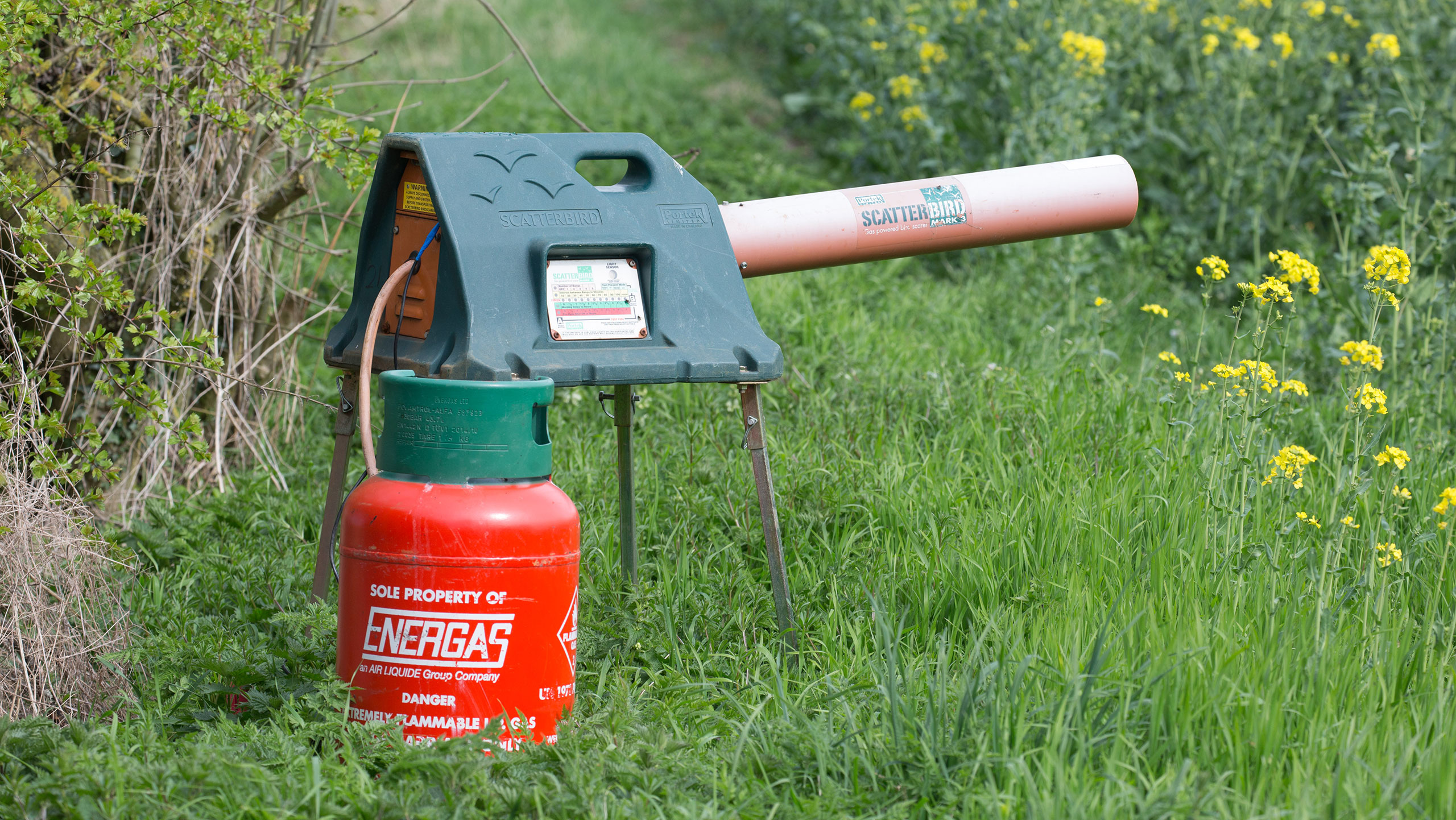
Gas guns can be used near trees to prevent starlings from roosting © Tim Scrivener
Later feeding time
Other tactics he suggests include changing feeding times by putting the TMR out in the evening/at night once the birds have left to roost at 3-4pm in winter.
He says a client who operates a very simple system, based on alternate grabs of grass and maize silage fed in ring feeders, managed to reduce a starling problem by switching to feeding at night.
Maize was put in first, then topped with grass silage – it was enough to deny birds access to feed, says Graeme.
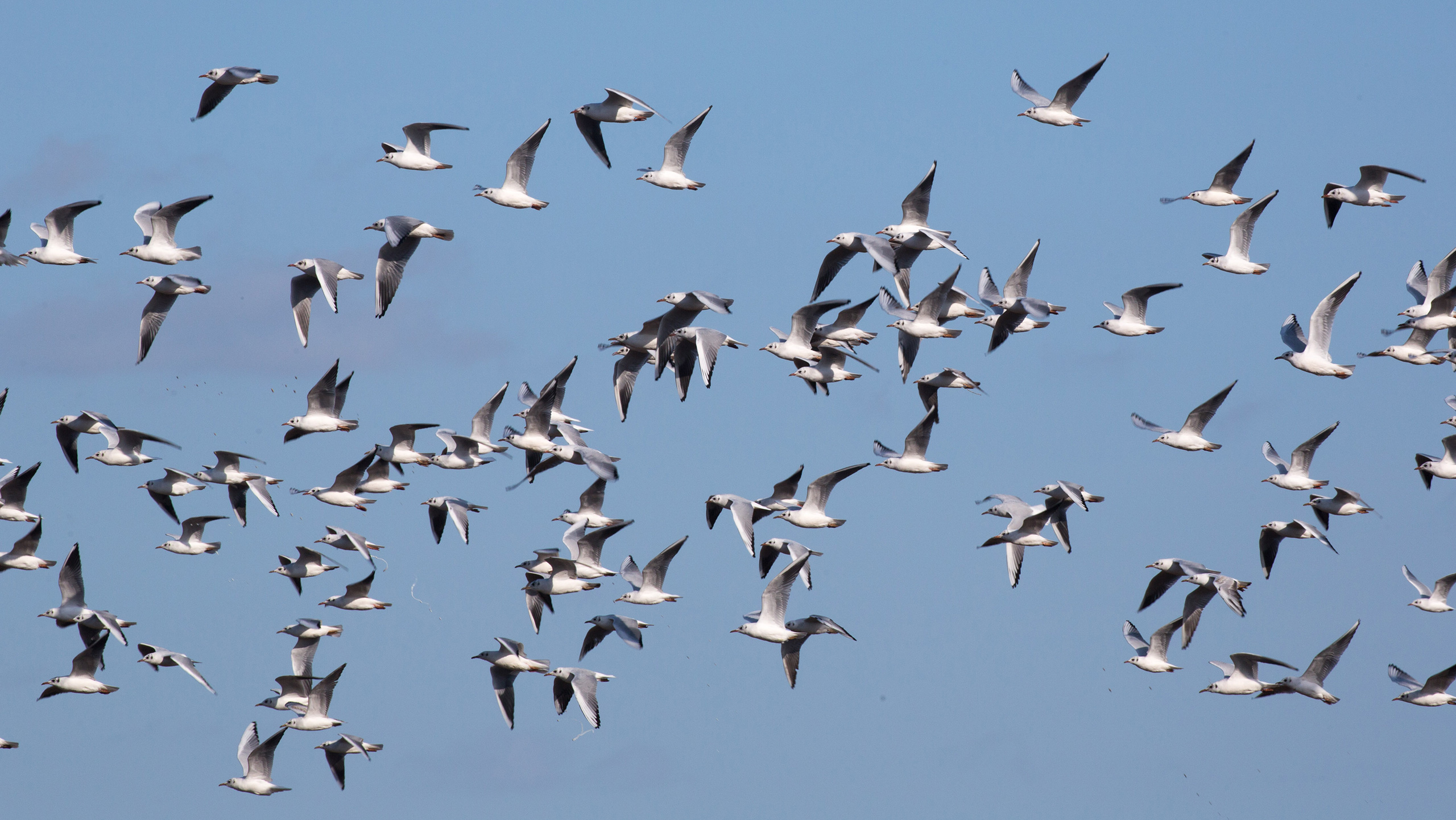
Seagulls are opportunistic feeders more likely to be found on piles of co-products © Tim Scrivener
Clamp feeders
Seagulls and crows are also a problem on some farms, though they don’t tend to enter buildings.
They are opportunistic feeders, says Graeme, so the issue tends to be around silage clamps where crows peck holes in plastic sheets.
“Seagulls like co-products such as bread, so you can find them on piles of feed dumped on the clamp floor.”
Methods of starling control
- Closing doors/using netting to prevent access to buildings
- Regular human disturbance – visually effective
- Flying a bird of prey
- Handheld lasers, which mimic eyes of birds of prey
- Starling alarm/distress calls played on a loop
- Noises such as bangers/rockets – use near to trees surrounding the cow sheds
For more information visit the AHDB’s starling control web page