

Sheep producers warned of high incidence of orf in flocks
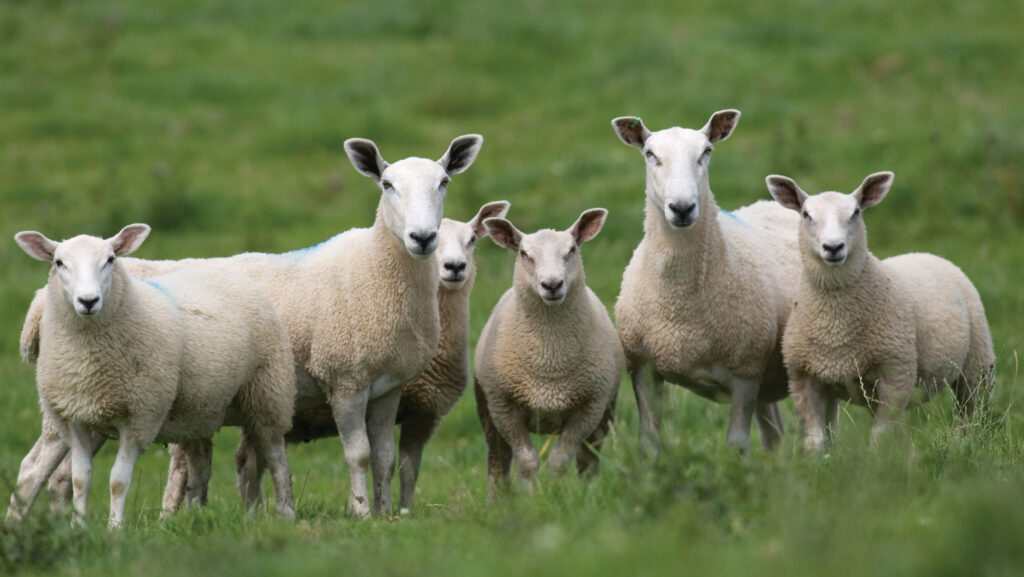 © Tim Scrivener
 Orf remains widespread across UK sheep flocks, with new research suggesting the disease continues to carry both economic and welfare impacts for farmers.
A study by the Royal Veterinary College (RVC), based on a survey of 421 sheep producers, found that 88.8% had experienced orf in their flocks.
Farmers reported an average treatment cost of £5 an affected lamb and about £100 a flock, highlighting the ongoing financial burden.
See also: Orf disease: Two ways sheep farmers are tackling the virus
Also known as “scabby mouth”, orf is a highly contagious viral skin disease affecting sheep and goats.
It can also infect humans through direct contact, typically causing painful lesions on the hands or arms.
Limited veterinary involvement
Despite its prevalence, the findings point to limited veterinary involvement and relatively low uptake of pain relief.
Fewer than a quarter (23.8%) of respondents sought veterinary diagnosis, while only 34.5% said they used analgesia for affected animals.
Farmers reported using a range of treatments, including topical and injectable antibiotics, alongside products such as gels, lotions and salt licks, although there is no cure for the virus.
Nia Williams, livestock specialist at Nettex, said the results highlight the need for a more proactive approach on farm.
“Farmers should speak to their vet if orf is suspected, to put in place the most appropriate control measures and reduce the risk of secondary infections.”
She added that while the disease is self-limiting, further research is needed into treatment options.
“The most important thing is that farmers don’t overlook the disease – given the welfare impact it can have both in flocks and lambs, where research highlights knock-on impacts on daily liveweight gains, and in ewes if they develop lesions on their udder.”
Vaccination
Kate Hovers, an independent veterinary surgeon, added that while a vaccine is available, it requires careful consideration.
“There is a vaccine available in the UK, however, it’s best to discuss the use with your vet, as the vaccine contains live attenuated virus and has the potential to introduce the infection where it hasn’t previously been.”
This, she added, was particularly important for housed flocks, as the virus can be present in scabs that may fall off and reinfect the flock.
Dr Hovers added that ewes should be vaccinated not less than seven weeks before lambing and moving to lambing areas. Lambs can be vaccinated from one day old.
Nematodirus spring treatment
Sheep farmers are being urged to reassess their spring worming plans as early warm weather shifts the risk period for nematodirus.
The Sustainable Control of Parasites in Sheep (Scops) group says many lowland areas have already passed peak larval hatch, potentially before lambs were grazing in sufficient numbers.
This challenges the traditional approach of treating lambs in late April or early May.
Scops warns that relying on calendar-based treatments could lead to unnecessary wormer use, particularly where the forecast indicates hatch has already occurred, as indicated by a triangle symbol.
Scops deputy chairman and a South West sheep farmer Olly Matthews said: “We would historically have treated lambs for nematodirus with a white wormer at the first gather, around the end of May.
“However, with the warm spring, the forecast is showing that the hatch has already passed in this region, so we will not need to treat for nematodirus this year.”
Further north, later lambing flocks may still face risk, but earlier soil warming is advancing hatch timing.
The group therefore advises farmers to use forecasts alongside on‑farm knowledge, to help reduce unnecessary treatments, supporting sustainable parasite control and slowing the development of anthelmintic resistance.