

Farmers face ongoing water shortages as ‘severe’ drought declared
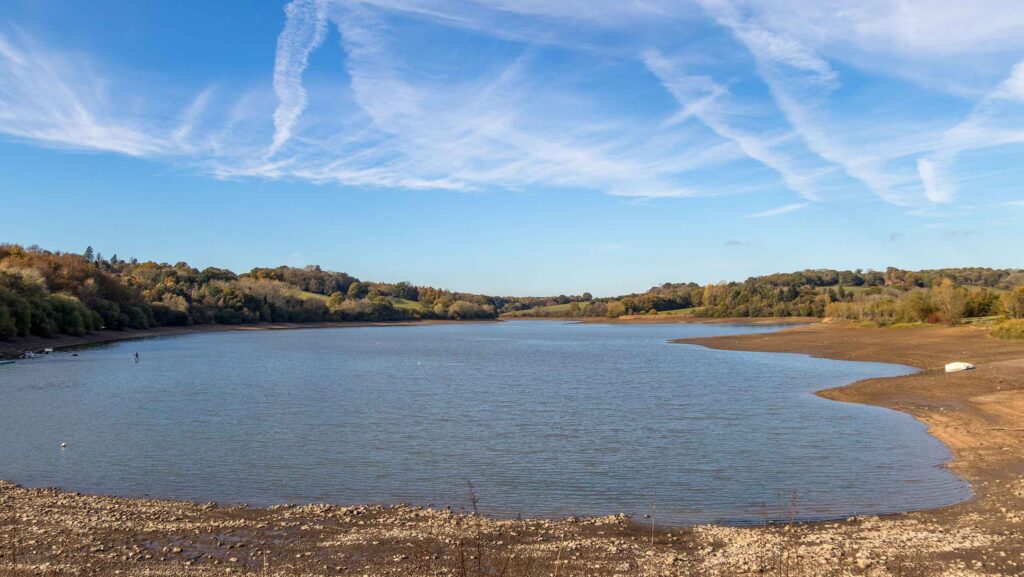 Ardingly reservoir © Adobe Stock
 Farmers across southern England face continued water shortages after “severe drought” was declared across Cornwall, Devon, Dorset, Somerset, East Sussex and West Sussex on Thursday , 15 October.
The South East and South West experienced the driest April-to-September period in more than a century, with reservoir levels significantly below normal for the time of year.
See also: Herefordshire Council backs farm reservoir push
The Environment Agency (EA) said September was the sixth month of 2026 to record below-average rainfall, warning that recent rain had been insufficient to reverse the effects of a dry spring and summer.
The agency warnedit would increase compliance checks on farms and businesses abstracting water to ensure they take only permitted quantities.
It added that it was supporting farmers with irrigation guidance while working to protect water supplies.
Half-filled reservoirs
National reservoir storage levels are currently below half in many locations, including Ardingly Reservoir in West Sussex and Wimbleball Reservoir in Devon, with fill levels reported at 20% and 18%, respectively.
According to the National Drought Group, it could take about 120% of average winter rainfall to return water resources to normal levels.
Even with average rainfall, parts of Devon, Cornwall and East Anglia could remain in drought until March.
The EA also warned that recovery would take time despite forecasts for the coming week indicating significant rainfall, with 2026 marking the third drought in five years.
NFU deputy president Paul Tompkins said extreme weather was affecting farmers’ businesses and their ability to produce food.
“The declaration of severe drought across parts of the country reflects the challenging conditions we continue to face,” he said.
The NFU said it would press for greater access to water when it becomes available to refill reservoirs.
Mr Tompkins also called on the government to expand tax reliefs to cover on-farm infrastructure, including reservoirs, provide clarity on water management grants and remove unnecessary planning barriers to help farmers invest in water storage.
The NFU has welcomed the government’s new Flood and Drought Taskforce, which brings together more than 50 organisations to improve coordination, but says practical action is needed now to strengthen resilience on farms.