

Northern farmers reject sea eagle reintroduction in NFU poll
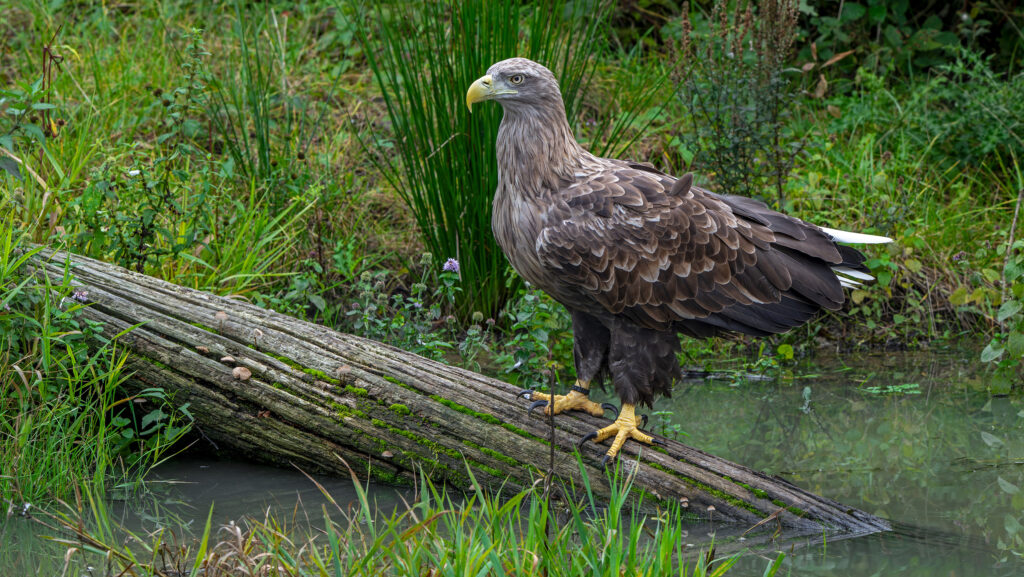 © Adobe Stock
 An NFU survey has revealed deep concern among farmers over proposals to reintroduce white‑tailed eagles to parts of northern England, highlighting a widening divide between agricultural and conservation perspectives.
The survey, which gathered 508 responses from more than 2,000 NFU members in Cumbria, North Yorkshire and Durham, found that 85% of respondents oppose the reintroduction.
Conducted in response to growing unease within the farming community, the findings highlight fears about the potential impact of a large apex predator on already pressured upland farming systems.
See also: More support for Scottish farms affected by sea eagle predation
Farmers pointed to livestock welfare as a central concern, particularly in extensive hill and fell systems where sheep cannot be monitored continuously.
Respondents warned that any increase in predation risk – even if relatively infrequent – could have disproportionate effects at lambing time, adding both financial strain and mental stress.
The Lifescape Project is leading plans to reintroduce white‑tailed eagles – also known as sea eagles, to Cumbria, aiming to restore a lost native species and establish a self‑sustaining population in the region.
Farmer concerns
NFU environment adviser Abigail Teward said the results also exposed significant concerns about the consultation process.
“It is extremely concerning that 58% of farmers who completed the survey were unaware of the project at all,” she said, adding that early and transparent engagement is essential.
“With 85% opposing reintroduction, farmers are clearly telling us they are deeply concerned about what this would mean for their animals, their livelihoods and the future of upland farming.”
NFU North regional board chairman William Maughan stressed that opposition is not to nature recovery itself, but to how it is delivered.
“Farmers are not opposed to nature recovery, but it must work alongside productive agriculture, not undermine it,” he said, warning that without clear safeguards, farmers risk shouldering the long‑term consequences.
Contrasting findings
These views contrast with findings from the Cumbrian White‑Tailed Eagle Project’s own consultation, which reported 78% public support for reintroduction across the wider community.
Project research suggests the region could sustain a viable eagle population and that diet is likely to consist mainly of fish and wild birds, with livestock rarely taken.
However, acknowledged incidents in Scotland continue to influence farmer perceptions.
The NFU argues that lessons from elsewhere reinforce the need for robust, evidence‑based mitigation, fully funded compensation schemes and clear long‑term management plans before any release is considered.
The union says the survey will now feed into ongoing discussions with policymakers and conservation organisations, as debate continues over how to balance species recovery ambitions with the economic and practical realities of upland farming.