

NFU warns cattle permits could curb farm investment
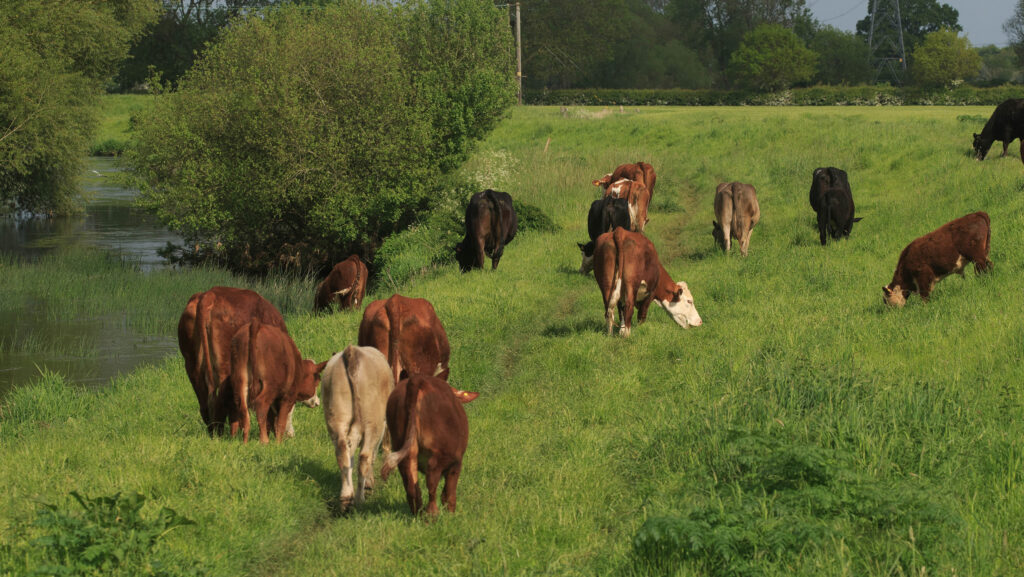 © Tim Scrivener
 The NFU has warned that extending Environmental Permitting Regulations (EPR) to cattle farms could damage confidence and investment in the livestock sector, after receiving hundreds of survey responses from beef producers.
The union said the strong response reflects mounting concern over anticipated Defra proposals to bring “intensive beef” and dairy enterprises into the environmental permitting regime currently used for large pig and poultry units.
Defra is expected to launch a formal consultation in summer 2026, following commitments outlined in the government’s Water White Paper and Environmental Improvement Plan 2025.
See also: 8 ways to prepare for tighter rules on water quality
While no detailed proposals have yet been published, Defra has said the move is intended to improve Environment Agency compliance and strengthen protections for water and air quality.
However, uncertainty remains over what would qualify as “intensive beef”, with the NFU noting that Defra has yet to define the term.
Environmental permits currently apply to intensive pig and poultry systems above specified thresholds and involve application fees, annual charges, inspections, and record-keeping requirements linked to “best available techniques” for reducing pollution risks.
Existing permits for pig and poultry units can cost several thousand pounds to obtain, alongside ongoing annual compliance fees – costs beef and dairy farmers fear could eventually be extended to cattle enterprises.
Alternative approach
NFU Livestock Board chairman David Barton said the union opposed a “one-size-fits-all” approach to regulation.
“We have had an extraordinary response to our survey on plans to extend Environmental Permitting Regulations to the beef sector, and the 920 livestock members who took part clearly demonstrate the huge strength of feeling surrounding these government proposals,” he said.
Mr Barton argued many beef farmers were already taking steps to improve environmental performance through nutrient management and restricting livestock access to watercourses.
“Expensive permits are not the solution,” he said.
“Additional costs would undermine confidence, restrict growth and on-farm investment, and add further inflationary pressure across the supply chain.”
The NFU is pushing for what it describes as a farmer-led alternative focused on recognising existing environmental measures on farm, rather than introducing a permitting system similar to that used in the pig and poultry sectors.
Defra has said feedback from upcoming consultations will help shape more detailed policy proposals before any legislative changes are introduced.