

Welsh government poised to reject fourth national park
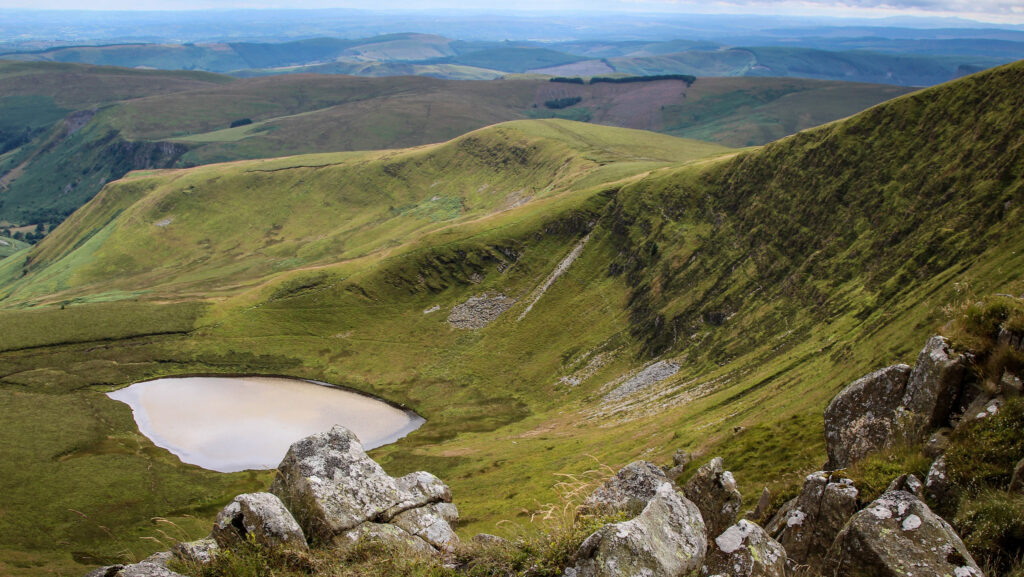 © Aled Hughes
 Plans for a fourth national park in Wales look set to be rejected following concerns over costs, bureaucracy and opposition from local authorities, residents and farming unions.
Wales currently has three national parks, covering about 20% of its land area. The proposed designation would have been its first new national park in more than 60 years.
See also: NRW pushes ahead with plans for fourth Welsh national park
In a Senedd statement on Tuesday (13 October), cabinet minister for government effectiveness and the constitution Dafydd Trystan Davies MS said he was provisionally minded not to approve the proposed Glyndwr national park in north-east Wales.
All five local authorities affected by the proposal objected, while businesses and land managers raised concerns about its impact on rural communities.
Natural Resources Wales (NRW) submitted the designation order in January, having concluded that the area met the statutory criteria.
However, more than 400 responses revealed divided opinions, while an impact assessment estimated establishment costs exceeding £11m, alongside ongoing running costs.
Mr Davies suggested existing programmes, including the Sustainable Farming Scheme, Ffermio Bro and peatland restoration initiatives, could deliver environmental improvements without creating another national park authority.
“It therefore appears to me that the objectives identified through the designation process may be delivered through alternative mechanisms, without establishing a new national park authority and without incurring the financial commitments that the designation would require,” he said.
A final decision will follow a four-week period for further representations.
Farming reaction
Farmers’ Union of Wales president Ian Rickman welcomed the announcement, citing concerns over farm businesses, planning restrictions, renewable energy developments, housing affordability and increased visitor numbers.
“We firmly believe that many of the environmental and landscape objectives associated with national park designation could be achieved through partnership approaches and existing policy mechanisms,” he said.
NFU Cymru also welcomed the announcement, warning that at a time when farming businesses are already facing significant challenges, “additional red tape would only add to the pressures on farmers and their ability to produce food”.
“Farmers in the area would be among those most directly affected by the creation of a new national park and we believe such a designation would introduce further bureaucracy and restrictions,” a spokesman said.
NRW response
Keith Davies, NRW principal advisor on protected landscapes, said the regulator’s statutory role was to assess whether the area met legal criteria for natural beauty and open-air recreation.
“We recognise that the Welsh ministers take account of a wider range of policy, financial and implementation considerations beyond the scope of the statutory designation tests we carry out,” he said.
NRW would continue engaging with the Welsh government if further information was required.