

NRW pushes ahead with plans for fourth Welsh national park
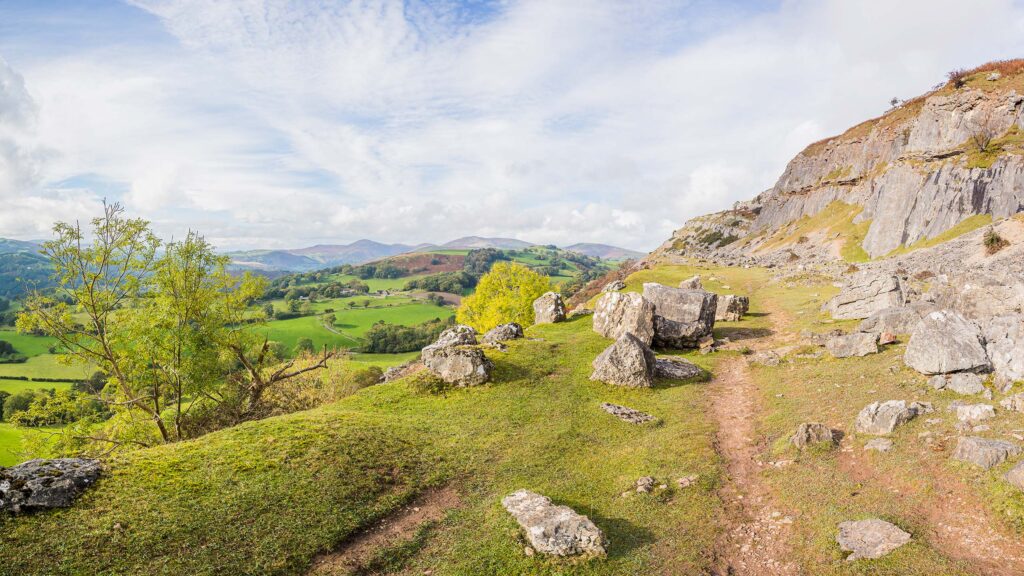 The Offa's Dyke path near Llangollen © Adobe Stock
 Plans for a fourth national park in Wales have moved a step closer to fruition after Natural Resources Wales (NRW) made a designation order as part of the legal designation process.
The decision was made by the NRW board on Monday (12 January) after three years of assessments, surveys and consultations that examined the suitability of the Clwydian Range and Dee Valley National Landscape as a national park.
See also: Can Welsh farming afford another national park?
Currently, Wales has three national parks – Bannau Brycheiniog (Brecon Beacons), Eryri (Snowdonia), and the Pembrokeshire Coast.
Together, they cover 20% of Wales’ land area – a far greater proportion compared with the national parks in England and Scotland.
If the proposal goes ahead, it would be the first such designation in Wales for more than 60 years.
NRW chairman Neil Sachdev said: “We have assessed the evidence and opinions as part of the consultation and applied statutory tests relating to natural beauty and geographical features of the area and opportunities for more sustainable tourism.”
Statutory requirements met
He said the NRW board was satisfied that the proposed Glyndŵr national park and its boundary met the statutory requirement for designation.
“We recognise the range of feedback expressed to date and want to reassure communities that all representations, including support and objections, together with evidence, will be provided to the Welsh government at the end of the public notice period to assist with their final decision,” he said.
The Welsh government will consider the proposals after a final four-week public consultation, which runs from 16 January to 15 February 2026, before a decision is made.
Industry concerns
The farming industry has reiterated its concerns about the designation and its impact on an area covering about 150sq miles (388sq km).
Tim Faire, chairman of the Farmers’ Union of Wales land use and climate change committee, said:
“Our members have repeatedly raised serious concerns about the scale of the proposed boundary, the lack of clarity around long-term funding and governance, and the potential impact a new national park could have on farming businesses and already stretched rural infrastructure.”
Mr Faire added that while the union fully recognised the importance of protecting Wales’s landscapes, introducing an additional layer of designation risked creating significant uncertainty, along with further regulations and restrictions that could hinder farm development and diversification.
Grug Evans, NFU Cymru county adviser for Clwyd & Montgomeryshire, added:
“The Glyndŵr national park designation order presents significant concerns for those whose livelihoods depend on this landscape. We don’t believe this process has fully considered the implications for farmers and the wider community.”
Rhys Evans, the Nature Friendly Farming Network’s Cymru manager, added:
“While there is no doubt the national park could bring new opportunities to the region, farmers will still have concerns about potential pressures from additional tourism and planning changes.”
Mr Evans said the consultation responses must be taken on board to ensure local businesses and communities truly benefited from the designation.
“We need to ensure that all our protected landscapes are beacons of best practice with nature-friendly farming embedded at the heart of their thinking to make them resilient for the future,” he added.