Defra issues detailed guidance on EU SPS deal
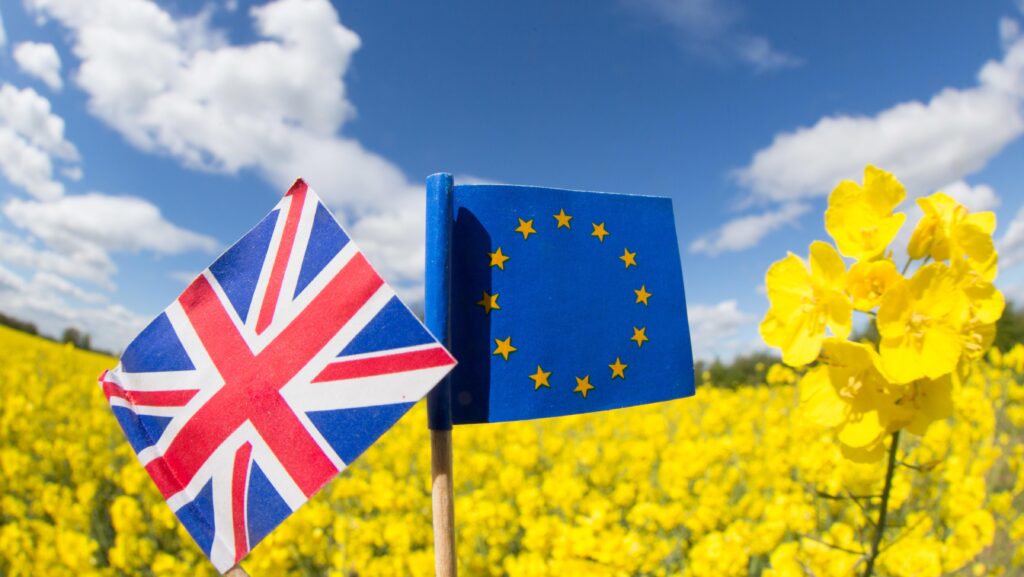 © Tim Scrivener
 Defra has published detailed guidance setting out how a planned UK‑EU sanitary and phytosanitary (SPS) deal will reshape food, farming and trade – and is urging businesses to start preparing now.
In a wide‑ranging update published on Thursday 28 May, the department set out how the agreement would operate in practice, including the removal of most routine border checks and certification requirements for goods moving between Great Britain and the EU.
But the guidance also makes clear the scale of regulatory change required, with the UK set to align dynamically with EU rules across areas ranging from pesticides and food safety to animal health and organics – even for businesses that do not export.
See also: The pros and cons for farming of closer EU alignment
Defra is urging companies to begin preparing now ahead of a planned mid‑2027 implementation.
Among the most significant operational shifts set out:
- Routine SPS border checks on food, plants and animal products entering Great Britain from the EU will largely end.
- Export health certificates (EHCs) and phytosanitary certificates will no longer be required in most cases.
- EU systems and standards will increasingly underpin UK rules, including plant passports, GMO regulation and contaminant limits.
- Imports from the rest of the world could face increased checks where UK rules align with EU external SPS controls.
The guidance also confirms that long-standing trade restrictions, including on fresh sausages, burgers and seed potatoes, are expected to be lifted under the agreement.
For Northern Ireland, the changes amount to a significant simplification. Most agrifood goods moving from Great Britain will no longer require routine certification or checks, reducing many of the barriers created under the Northern Ireland Protocol.
Biosecurity minister Baroness Hayman said: “By cutting unnecessary delays and paperwork at the border, the agreement will make it easier for businesses to sell our world-class produce to European customers, support jobs, and help ease pressure on food prices for families.”
However, the document underlines that the deal will require businesses to adjust to new regulatory realities.
This includes potential changes to farm inputs, with pesticide approvals and residue limits set to align with EU rules, meaning some products could be withdrawn or restricted in Great Britain.
Defra said it was still negotiating the final shape of the agreement with the EU, including areas where the UK wanted to retain flexibility, such as animal welfare standards, public health protections and new technologies.
Negotiations ongoing
The guidance also repeatedly stresses that negotiations with the EU on the SPS deal are ongoing, meaning the final legal scope of the agreement, any exemptions and transitional arrangements have not yet been settled.
While the UK government has previously highlighted the economic benefits of the deal, the guidance provides the clearest indication yet of how deeply it will shape domestic regulation and day-to-day operations across the agrifood sector.
Further detail on transition periods and exceptions is expected later in 2026, with full implementation targeted for mid‑2027.
What the SPS deal means for your farm
Less paperwork at the border
- Export health certificates and plant passports largely scrapped for EU trade
- Fewer border inspections should mean faster transit and less spoilage
But rules will change at home
- UK expected to track EU rules over time
- Applies even if you don’t export
Pesticide and input rules could shift
- Active substances and residue limits to align with EU
- Some products may be withdrawn, restricted or replaced
Easier sales to EU markets
- Trade expected to resume in products such as fresh sausages and burgers, seed potatoes, some shellfish
Northern Ireland trade simplified
- Most routine checks and certificates removed for GB-NI movements
More checks on non‑EU imports
- Goods from the rest of the world likely to face higher inspection rates
No action required yet – but be prepared
- Farmers advised to review supply chains, speak to buyers and suppliers, and keep up with changes ahead of mid‑2027 rollout.