

Farmer blames reduced hill grazing for rampant wildfires
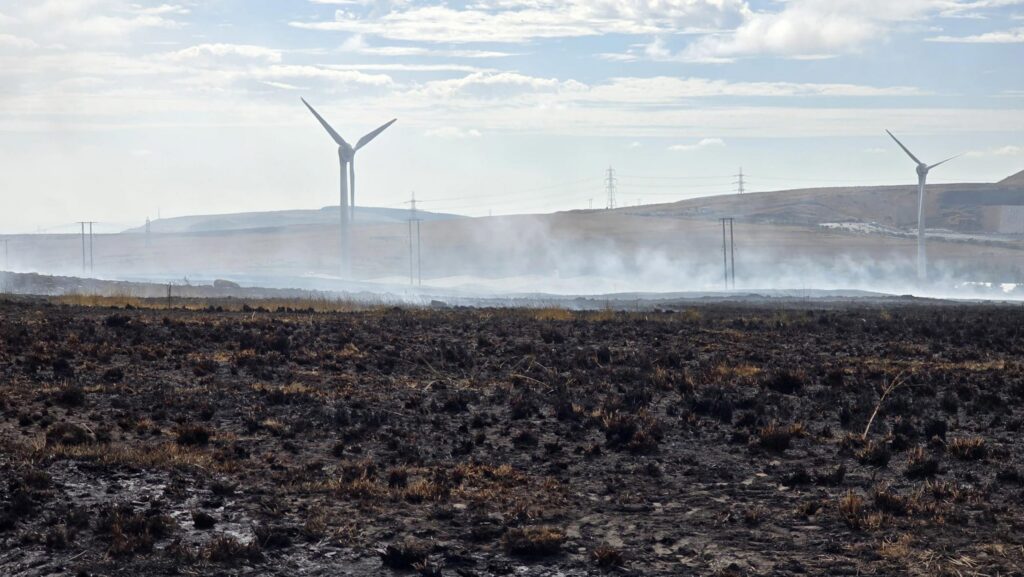 Scorched land © MAG/Anne Dunn
 A south Wales farmer has blamed reduced livestock grazing on upland commons and increasing vegetation for raging wildfires affecting much of his area.
Beef and sheep farmer Brian Bowen spoke to Farmers Weekly as a major fire continued to spread across Gelligaer and Merthyr Common during prolonged hot and dry conditions.
See also: Helicopter delay fuels family’s wildfire anguish
Mr Bowen, who chairs environmental and commoners’ groups on neighbouring commons, believes lower stocking rates under environmental schemes have contributed to a build-up of combustible material.
“The grass areas where they’ve been grazed – some grazed heavily – the fires have been sort of put out,” he said.
“But in a lot of the areas, where there’s very little livestock, there’s such a build-up of burnable stuff that it’s uncontrollable.”
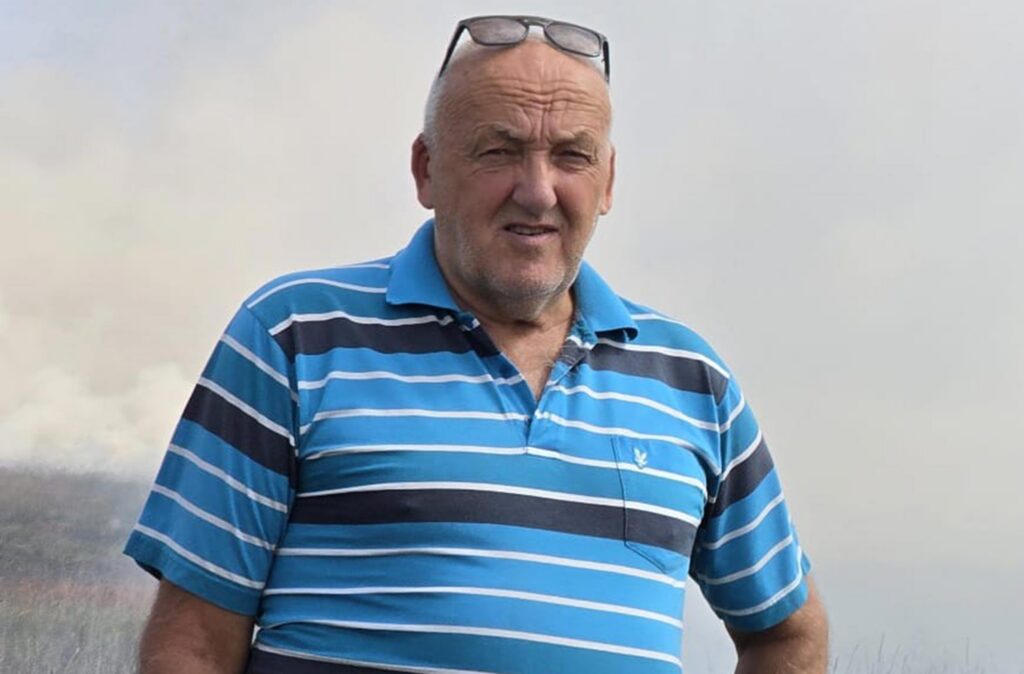
Brian Bowen © MAG/Anne Dunn
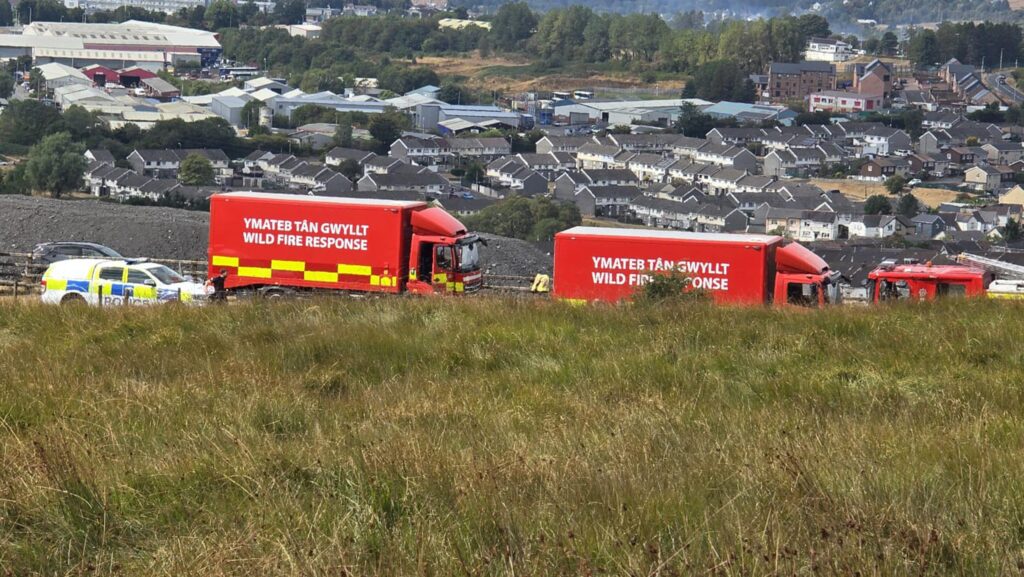
Farmers and contractors have been supporting South Wales fire crews with agricultural water bowsers, while sheep and horses have been moved away from threatened areas.
The cause of the fires is under investigation.
Mr Bowen said some badly burned areas could take many years to recover, pointing to land damaged by fire during the 1976 drought, which took decades to become fully covered in vegetation again.
Grazing rethink
He wants policymakers to reconsider upland management, including allowing stocking rates to respond more flexibly to seasonal grass growth and creating natural firebreaks.
“When the season is suitable, we need to be grazing heavier than what we are,” he said.
“I think we need to address some of these things so that we can take the fuel area down.”
However, increasing livestock numbers is not straightforward, with cattle and sheep needing to be adapted to extensive, low-value hill grazing.
“There used to be thousands more sheep out here in the past, and yes, it was deemed as overgrazed, but we wouldn’t have had this fire problem then,” Mr Bowen said.
© MAG/Anne Dunn
Grazing management inquiry
The Farmers’ Union of Wales (FUW) has called for an urgent inquiry into the future of upland farming and landscape management in Wales.
FUW president Ian Rickman said the scale and extent of wildfires across Wales this year was “alarming”.
“If we are serious about reducing wildfire risk, future policy must recognise the vital role livestock grazing plays in managing vegetation and maintaining our upland landscapes,” he said.
FUW analysis shows that average livestock stocking rates on grazing land in Wales have fallen from a peak of 1.2lu/ha in 1998 to 0.9lu/ha today.
Mr Rickman said reduced grazing allowed vegetation and combustible material to build up, potentially increasing wildfire risk.
“We need policies that support viable upland livestock farming and avoid inadvertently driving further reductions in grazing levels,” he said.
The union will raise the issue in its submission on priorities for the Senedd term to the Senedd climate change, environment, sustainability and rural affairs committee.
Welsh government response
The Welsh government said: “Grazing livestock plays an important role in vegetation management and supporting resilient upland landscapes including the potential for grazing to reduce the amount of combustible fuel and therefore the risk of wildfire.”
Other approaches to reduce wildfire risks are to be discussed at a summit which the first minister will convene later in the year.