

Helicopter delay fuels family’s wildfire anguish
 © Jess Williams
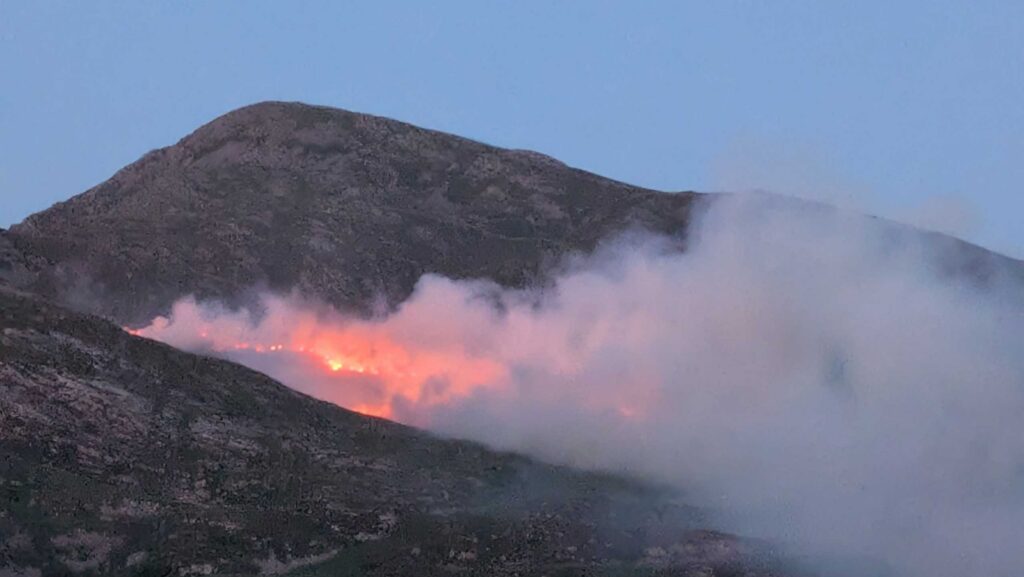
 A farming family living beneath the Rhinogydd wildfire says it feels “forgotten” as flames continue to threaten grazing land, livestock and protected habitats while they wait for helicopter support to become available.
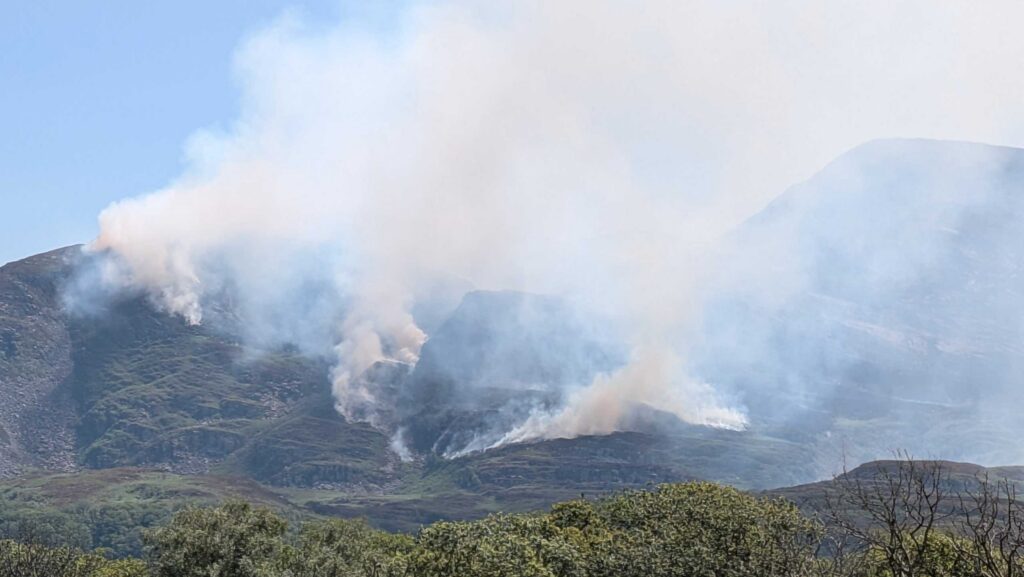
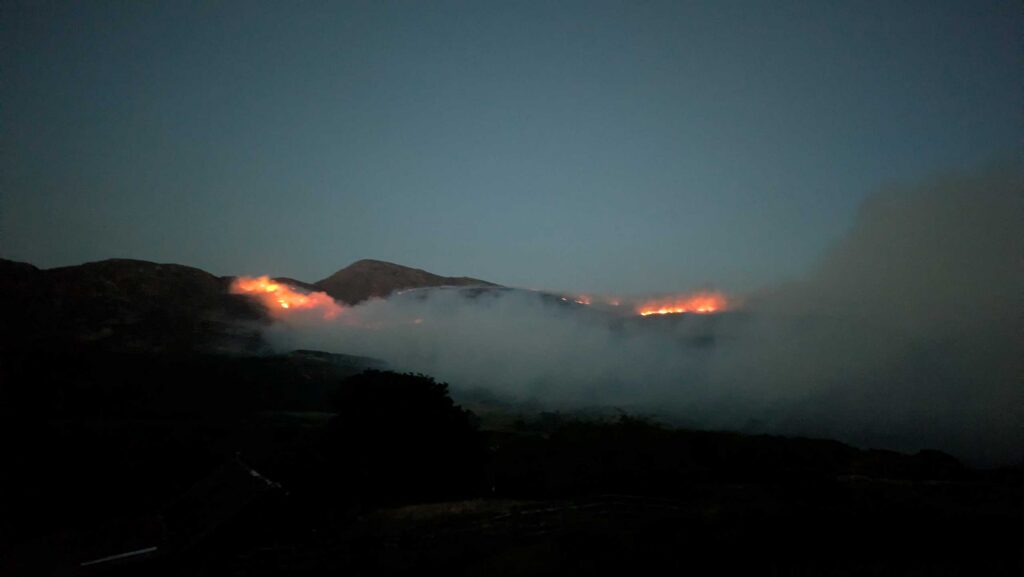
The wildfire, which began on Sunday (12 July) near Harlech in north Wales, has scorched over 800ha, destroying grazing, farm fences and habitat within a protected conservation area.
While firefighters have worked on the ground, specialist aircraft requested to help tackle the blaze have been unavailable because they are already committed to other major wildfires across the UK.
See also: Farmers help out as wildfires spread
Jess Williams, who grew up at Gerddi Bluog farm, where her mother has farmed for 40 years, described the past week as one of the most distressing her family has experienced.
“We’ve literally watched this fire spread since Sunday,” she said. “It just feels like it could have been put out right in the very beginning with one dump of water if that aerial support had been available.”
© Jess Williams
Livestock fears
Her mother, who runs a herd of pedigree Welsh Black cattle alongside 300 Welsh Mountain sheep, has continued gathering livestock and preparing sheep for shearing despite thick smoke drifting across the farm.
“The farming has had to carry on. We can’t stop,” Ms Williams said. “Mum has been watching literally all night, watching the flames burn, watching where it’s going next. It’s been incredibly stressful for her.”
As the fire advanced towards farmland, the family began making contingency plans in case livestock needed to be moved, while also considering restrictions around TB-tested cattle.
“We’re on heightened alert all the time,” she said. “Are we going to have to move the livestock? If the cattle haven’t been TB tested, where can we move them? We’re having to prepare for the worst.”
© Jess Williams
Approved helicopter use
Natural Resources Wales (NRW) said it had worked closely with North Wales Fire and Rescue Service throughout the incident and had approved the use of helicopter support because of the importance of the protected habitats affected.
However, Jasmine Sharp, NRW duty tactical manager, said specialist aircraft were “in very high demand across the UK” and none were currently available.
“We will continue to pursue aerial support as soon as aircraft become available, while supporting the ongoing response on the ground,” she said.
Ms Williams was careful not to criticise frontline firefighters, describing them as “brilliant”, but believes earlier aerial intervention could have reduced the scale of the blaze.
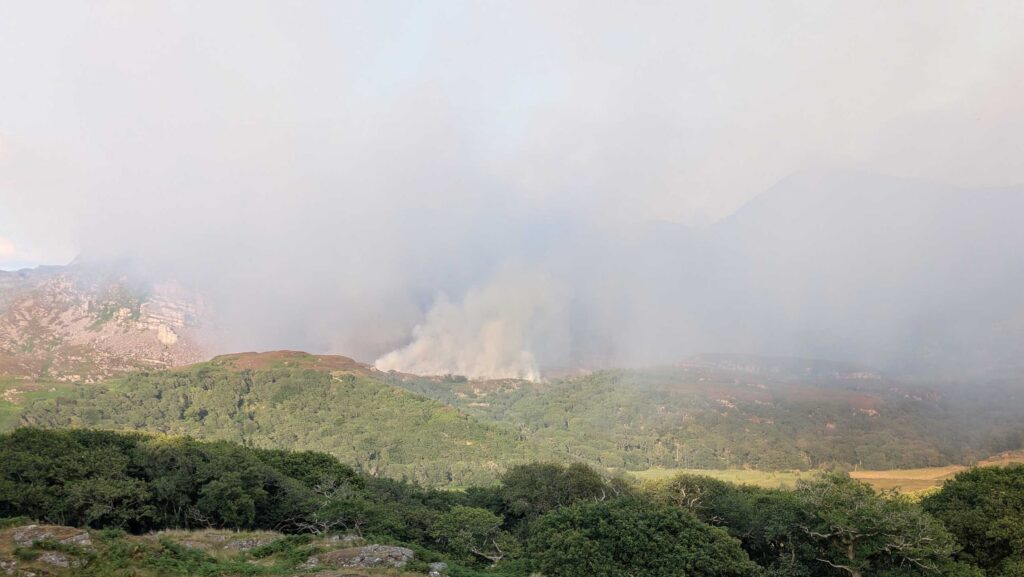
North Wales Fire and Rescue Service said difficult terrain had limited access to parts of the site, with crews relying on natural firebreaks and creating new containment lines to slow the fire’s spread.
© Jess Williams
Emotional toll
Beyond the immediate threat to the farm, Ms Williams said the emotional toll on local families had gone largely unseen.
“It’s really frustrating because we’re just having to watch it burn,” she said. “It feels like we’ve been forgotten while we wait for help.”
She said watching ancient woodland disappear had been particularly painful.
“I grew up in these ancient woodlands. I’ve picked heather here for my dad’s grave. It’s heartbreaking to watch the fire.”
Adding to the pressure, sightseers have travelled to the area to watch the blaze.
“We now have spectators here watching the flames, some of which scared the sheep my mother was gathering for shearing.”
Future management
Looking ahead, Ms Williams believes future land management policy must better address wildfire risk.
“It’s so overgrown now that it’s hard for sheep to graze or farmers to gather,” she said. “As the climate gets drier, we need to think seriously about how these landscapes are managed.”
Gavin Lane, Country, Land and Business Association president, said fires like these are often avoidable tragedies.
“We know that careful and controlled burning, done at the right time of year, makes fires less likely to happen and easier to contain when they do.
“But the system now required to apply for a licence to burn is so complex, time-consuming and unwieldy as to be unfit for purpose.”