

Farmer fears wildfire damage could last generations
 © MAG/Anne Dunn
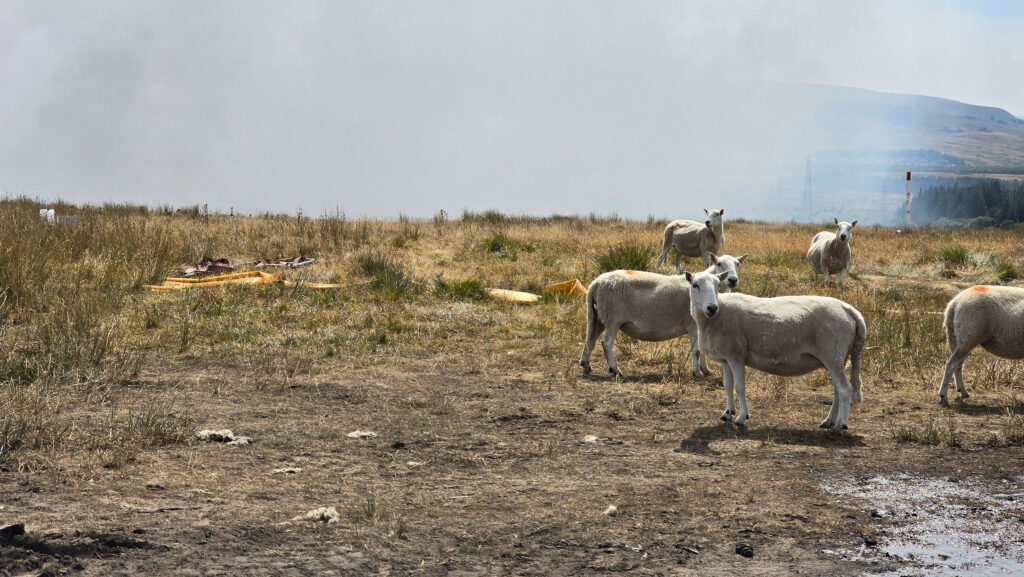
 A South Wales sheep farmer fears parts of a fire-ravaged common could be lost to grazing for generations after flames burned deep into peat.
Julian Rees, who runs two sheep flocks on Llangattock Common, near Crickhowell in Powys, estimates about 1,000ha of the 1,800ha common have been burnt in a fire believed to have been started deliberately.
See also: Farmer blames reduced hill grazing for rampant wildfires
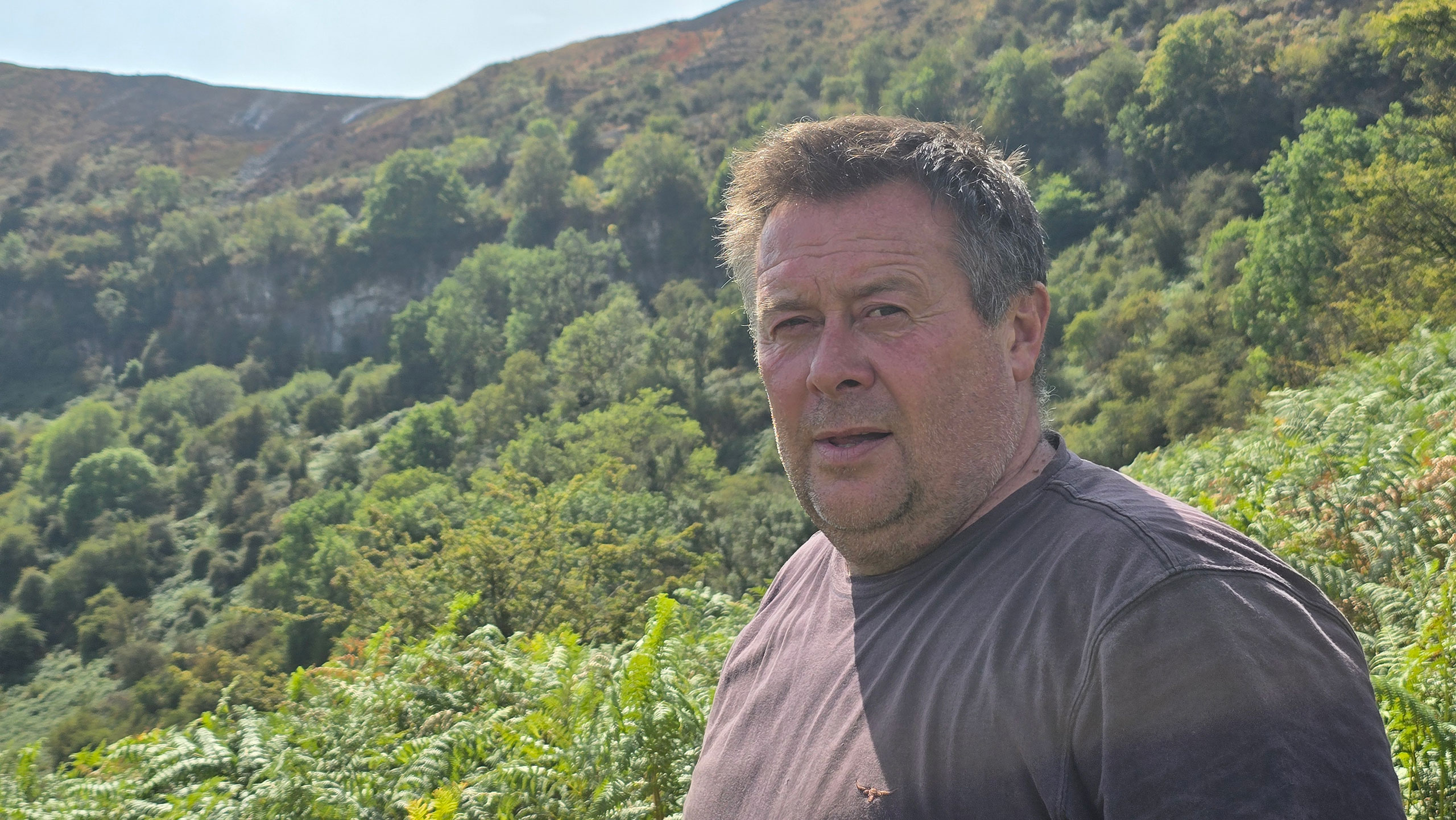
Julian Rees © MAG/Anne Dunn
The common normally provides grazing for his livestock for about 10 months of the year, but Mr Rees fears some areas may never recover within his lifetime.
“There’ll be no grazing left for us this year. Next year there will be a little bit, but where it’s burned into big, large areas of peat, there won’t be anything in my lifetime or my son’s lifetime,” he told Farmers Weekly.
Areas of peat damaged earlier by fire have failed to recover and instead continue to erode during rainfall, he added.
Land management barriers
Mr Rees believes restrictions on managing the common contributed to the severity of the fire and criticised Natural Resources Wales (NRW) over barriers to controlling bracken and maintaining firebreaks.
“We’re not allowed to spray it because it’s triple SSSI [site of special scientific interest].
“So every time we come up with something to try and maintain the common, make it less of a fire hazard, we just hit our heads against brick walls with NRW.”
He said the commoners’ association had secured funding to recreate firebreaks, including near the Craig y Cilau National Nature Reserve, but claimed it was withdrawn last autumn.
Local contractor Gareth Jones, who has spent three weeks helping fire crews, also believes restrictions on land management have allowed combustible vegetation to accumulate.
“I think we need to have better management of these hills and stop being tied up in bureaucracy,” he said.
Farmers and contractors have been transporting water and creating firebreaks, with ground temperatures exceeding 350C in places.
Military personnel have also been deployed to support the response across south Wales.
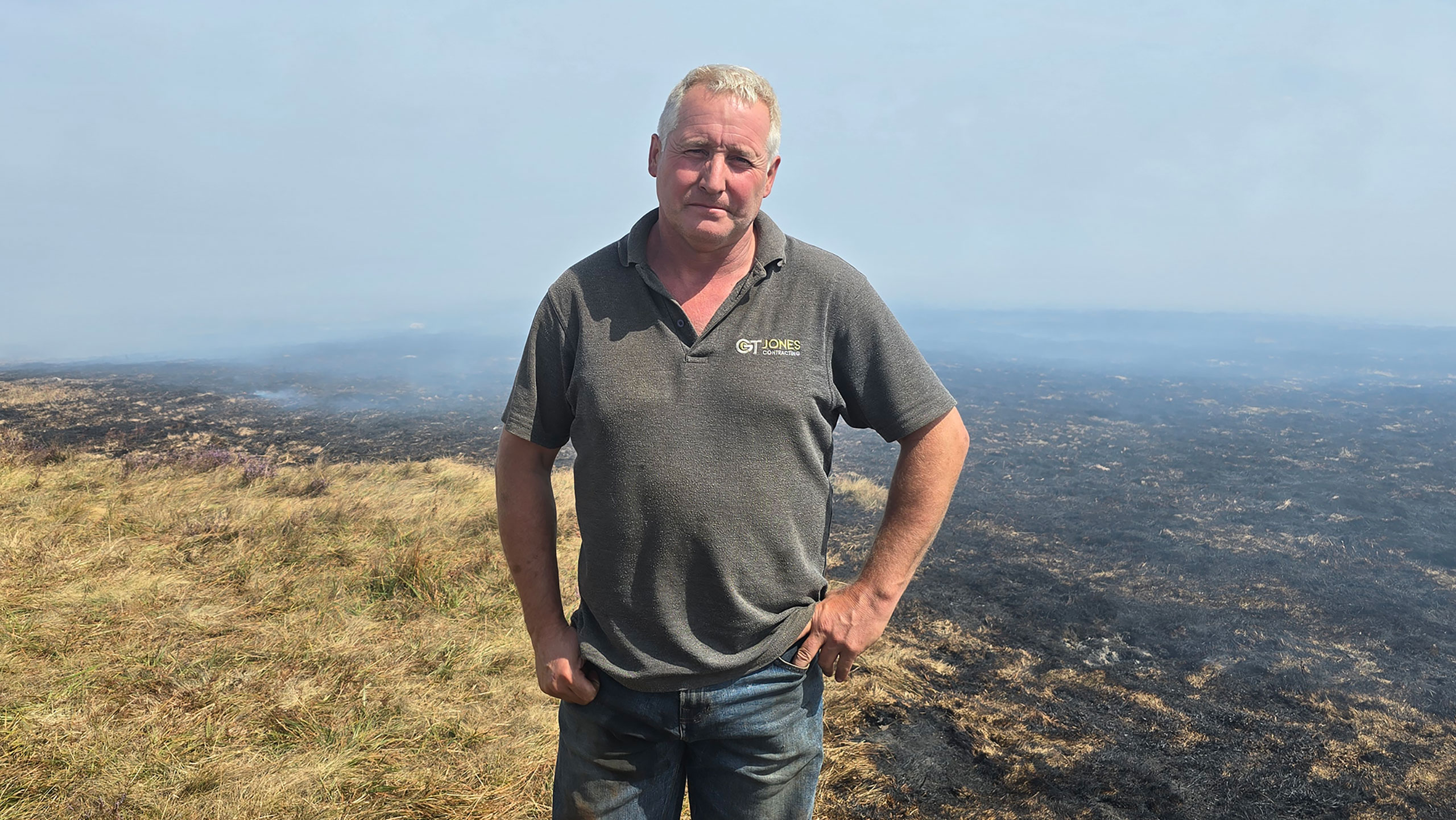
Gareth Jones © MAG/Anne Dunn
Unprecedented period
The fire comes amid an unprecedented period of wildfire pressure.
At the height of the crisis last week, fire services declared 11 major incidents within 24 hours.
Meanwhile, figures from the National Fire Chiefs Council show more than 1,000 wildfires have been recorded across England and Wales this year.
Some of the largest incidents have been in South Wales, including the long-running Blaenavon/Ebbw Valley fire, which has burned more than 4,000ha.
Individual approach needed
Mr Rees said finding replacement grazing would be particularly difficult following widespread drought, and called for a more individual approach to managing commons.
“No farm is the same, and no mountain is the same. This blanket approach just doesn’t work,” he said.
The Welsh government said the first minister planned to convene a multi-agency summit to ensure fire and rescue services were properly supported to respond to future wildfires.
Natural Resources Wales said wildfires were complex and influenced by weather, vegetation, topography, land management, and how fires started.
An NRW spokesman said: “Reducing wildfire risk requires a collaborative approach. We will continue engaging with farmers and landowners on land management and wildfire resilience, recognising the important contribution they make.”