

Government policy deters farmers from growing food, MPs told
 © GNP
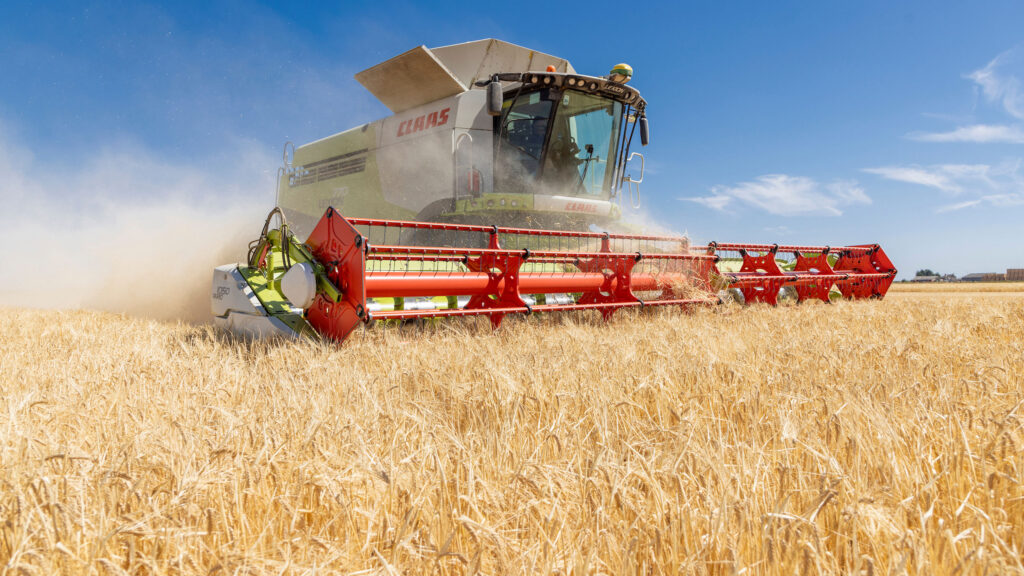
© GNP Government policy is discouraging farmers from growing food and eroding the resilience of the UK’s food system, MPs heard, as one leading arable farmer said he was now “doing everything I can to not grow food”.
Among those giving evidence was Cotswolds farmer Harry Metcalfe, who told the Public Accounts Committee (PAC) that the risks of arable farming had become too great.
Mr Metcalfe said the withdrawal of the Basic Payment Scheme had “exposed all farmers to the realities of trying to farm at world prices”.
See also: Government policy undermining UK food resilience, warns IGD
He said four of his five worst harvests have come since 2020, making the risks of growing food too high.
“Right now, as a farmer, I’m doing everything I can to not grow food and that’s just wrong,” he told the PAC, which opened a week of hearings on the resilience of the UK’s food supply on Monday 12 October.
Mr Metcalfe said the 2026 harvest shortfall was regional, with Scottish and Lake District farmers faring better than southern English arable growers.
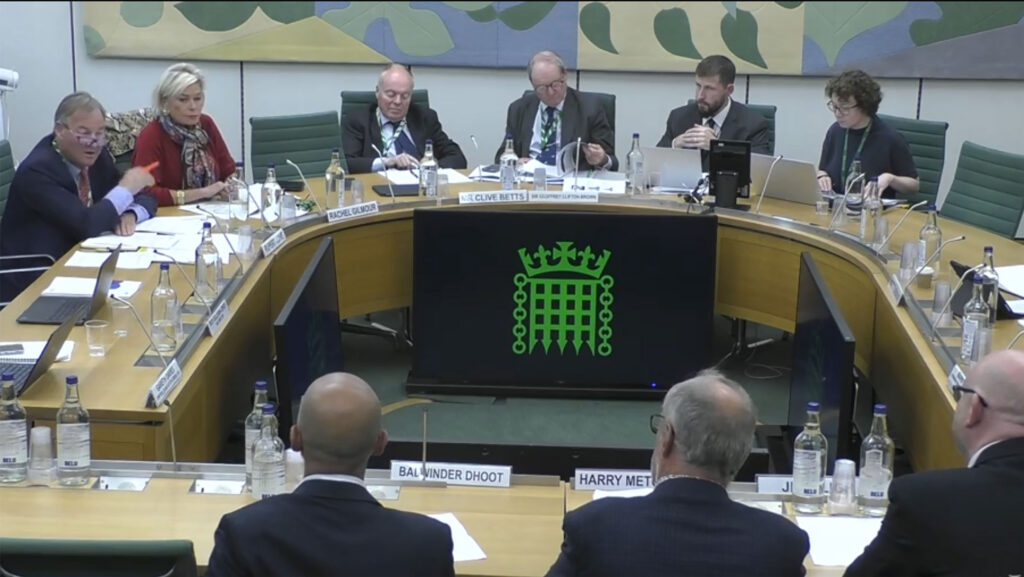
Rupert Lowe MP questions food security experts at the PAC hearing © Parliament TV
Scottish farmers were “insulated” from poor harvests because they still receive area payments, while English farmers are “on their own” since BPS ended, especially those unable to access Defra’s Sustainable Farming Incentive (SFI).
Committee member Rupert Lowe, Restore Britain MP for Great Yarmouth, went further, accusing ministers of deliberately deterring production.
He said ministers were “doing absolutely everything in their power to dissuade people” from planting crops, citing tax rises, the upcoming carbon border levy on fertiliser and high energy costs.
Mr Lowe cited the National Audit Office (NAO), which reported that Defra was “less confident about the ability of businesses in the food supply chain to withstand shocks without government intervention over the next five to 10 years”.
Mr Metcalfe said he had paid 34% more for fertiliser this year and bought early to avoid the new levy, which “kills cashflow”.
Defra flak
Other witnesses also criticised Defra’s direction.
Jim Bligh, corporate affairs director at the British Retail Consortium, which represents retailers, said ministers had provided too little clarity.
“I’m a little bit lost as to what the strategy is in the department,” he said.
He added: “That’s where the department has not provided adequate clarity yet.”
Mr Bligh said costs piled onto the food system since the election amounted to about £8bn a year.
Food and Drink Federation director Balwinder Dhoot warned domestic production was being gradually undermined.
“I kind of see that resilience around domestic production slowly being eroded and it’s a bit like a slow puncture in some ways,” he said.
Prof Tim Lang, emeritus professor of food policy at City St George’s, University of London, warned the UK was not prepared for food shocks.
Horticulture decline
He said the government was underestimating risks to horticulture.
“We tend to assume we have lots of grains, but actually they have declined.
“The incentives of farmers to plant is getting weaker. But when you look at horticulture, it’s nigh catastrophic. Even under the EU’s CAP it had no subsidy.
“Horticulture has been the weak, slow collapse… We know we ought to be growing more and consuming more to tackle diet-related ill health.”
The hearings follow warnings that cyber-attacks and extreme weather are increasing the risk of major food supply disruption. The NAO has also found local resilience forums lack clarity from government.
Defra’s permanent secretary, Paul Kissack, is due to appear before the committee on Thursday 15 October, alongside Emily Miles, director general for food, farming and biosecurity, and Helen Dallas, interim deputy director, food preparedness and response.