

Government signals end to CO2 stunning of pigs
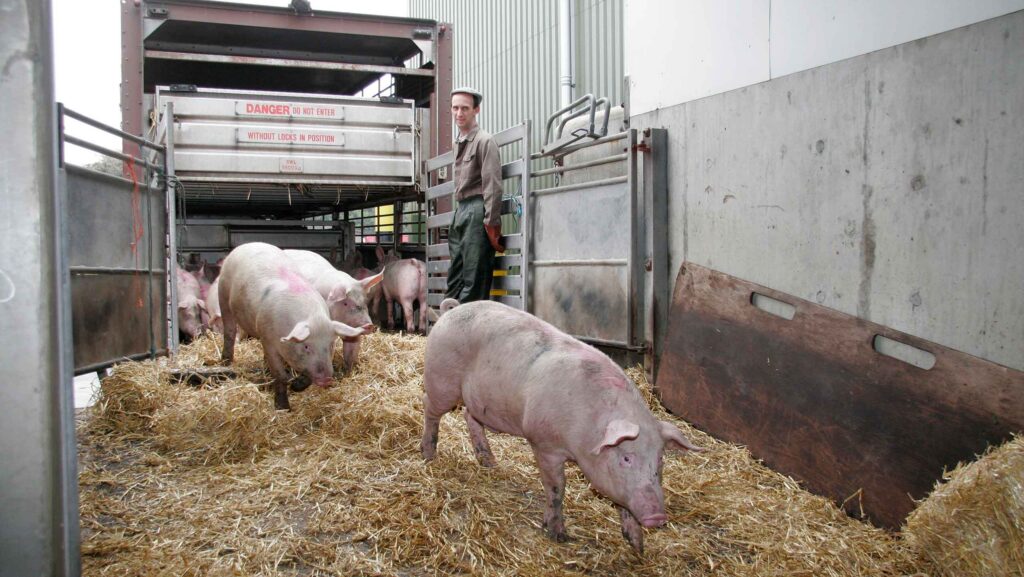 © Tim Scrivener
The Westminster government has signalled its intention to phase out carbon dioxide (CO2) stunning in British pig abattoirs, reigniting industry concerns over costs and practicality.
Defra’s proposals, announced on Monday, 26 October, set out plans to replace high-concentration CO2 stunning with alternatives such as argon gas and automated electrical stunning to improve animal welfare.
A consultation, running until 21 December, will seek views on the proposals, including welfare benefits, costs, practical feasibility and potential timescales for moving away from CO2 stunning.
See also: Banning CO2 pig stunning will place high cost on industry
Defra has been working with pig processors, equipment manufacturers, gas suppliers and animal welfare organisations since April 2024 to examine alternative methods and their implications for businesses and consumers.
Ministers acknowledge that businesses will need time to adapt should the proposals go ahead.
Farming minister Stephen Morgan said: “The public want to know the meat they buy in the shops is produced in a way that supports high standards of animal welfare.
“These plans will help deliver that and reduce unnecessary suffering.
“We are committed to supporting farmers and businesses to make this transition, which will bring long-term benefits.”
Industry concerns
The National Pig Association (NPA) has warned that no commercially viable alternative capable of delivering improved welfare at scale has yet been identified.
NPA chief policy adviser Katie Jarvis said: “The NPA acknowledges that the use of high-concentration CO2 in the slaughter of pigs presents welfare concerns, and the UK pork industry is actively exploring alternatives that can deliver on animal welfare.
“Any new approach must deliver on improved welfare and be commercially viable to ensure we can continue to provide British pork for consumers and prevent any unintended consequences.
“So far, research and trials have not revealed any feasible alternative that which can provide improved pig welfare at commercial scale.”
The association is calling for sufficient time to test alternatives, a full impact assessment and consideration of the competitive implications if pork produced using CO2 stunning continues to be imported.
Welfare issues
The proposals follow recommendations from the Animal Welfare Committee (AWC), which raised concerns about respiratory distress and other adverse reactions experienced by pigs before losing consciousness.
The committee found that inert gases, including argon, were significantly less aversive, while electrical stunning could produce near-instant unconsciousness.
AWC chair Madeline Campbell said: “The evidence-based argument for moving away from the use of high-concentration CO2 on animal welfare grounds is incontrovertible.”
She urged stakeholders to overcome the practical challenges and deliver change within the shortest possible transition period.
Industry costs
Previous AHDB analysis estimates that CO2 stunning currently costs about 42p/pig.
Replacing it with argon gas could increase that to £1.36-£1.49/pig, while electrical stunning would cost approximately £1.11/pig.
It also highlighted potential disruption to slaughter lines, slower processing speeds and increased import competition.
Defra argues that moving away from CO2 would reduce the industry’s exposure to gas supply disruptions.