

Wales introduces bird flu prevention zone as UK cases rise
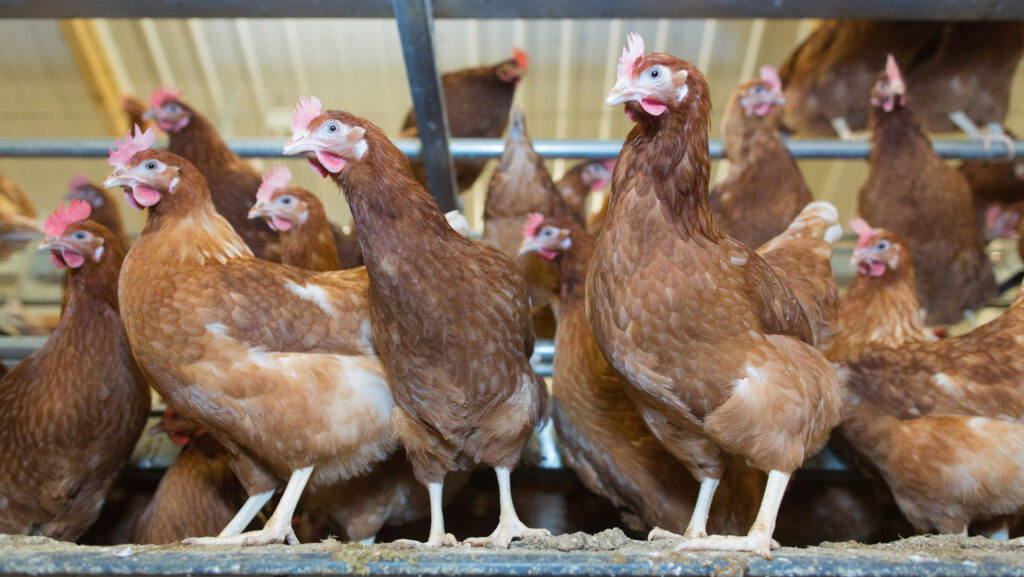 © Tim Scrivener
Poultry keepers across Wales must follow enhanced biosecurity measures from midday on Monday (16 November) following the introduction of a nationwide Avian Influenza Prevention Zone (AIPZ).
The Welsh government has imposed the restrictions amid rising cases of highly pathogenic avian influenza (HPAI) elsewhere in Great Britain and an increased risk of transmission from wild birds.
See also: Bird flu housing order imposed across England as outbreaks rise
Although no outbreaks have been confirmed in kept birds in Wales this season, 10 cases have been recorded across Great Britain, including nine H5N1 and one H5N5.
The latest H5N1 cases, confirmed on 11 and 12 November, affected 66,000 turkeys in Norfolk, 60,000 broiler breeders in Lincolnshire and a backyard flock in Orkney.
The AIPZ applies to all poultry keepers, including backyard flocks, regardless of flock size or housing arrangements.
However, mandatory housing is not currently required in Wales, unlike England, where poultry housing measures came into force on Friday (13 November).
Cabinet minister for rural resilience and sustainability Llyr Gruffydd said: “I consider the mandatory enhanced biosecurity measures of the AIPZ to be proportionate to the risk level posed by avian influenza here in Wales at this time.
“At present there is insufficient evidence to introduce mandatory housing of flocks or review the arrangements for bird gatherings, but the situation will continue to be monitored closely.”
Similar prevention zones were introduced in Scotland on 10 November and England on 11 November.
The Welsh restrictions will remain in place until the disease risk has sufficiently reduced.
Biosecurity requirements
All poultry keepers must strengthen measures to prevent contact between kept and wild birds, including:
- Feeding and watering birds in enclosed areas and removing potential wild bird food sources
- Restricting access to poultry enclosures and cleaning and disinfecting footwear and equipment
- Keeping ducks and geese separate from other poultry
- Cleaning contaminated areas and fencing off wet or boggy ground
- Maintaining required records and completing a mandatory biosecurity self-assessment within seven days
Premises with more than 500 birds face additional requirements, including tighter visitor controls, dedicated clothing and footwear, and vehicle disinfection.
Northern Ireland investigation
Meanwhile, a suspected outbreak at a commercial poultry premises in County Tyrone is being investigated, following reports of significant bird mortality and clinical signs.
Veterinary officials attended the premises on Sunday (15 November), imposed restrictions and collected samples for laboratory testing.
Daera minister Andrew Muir said: “While the disease has not yet been confirmed, we are treating this situation with the utmost seriousness.”
He said further disease control measures across Northern Ireland were being considered, depending on veterinary advice and risk assessments.
Reporting cases
In Wales, suspected cases must be reported to the Animal and Plant Health Agency on 0300 303 8268.
Further information and how to report suspect cases in Northern Ireland can be found on the Daera website.