

House of Lords demands tighter controls on nitrates
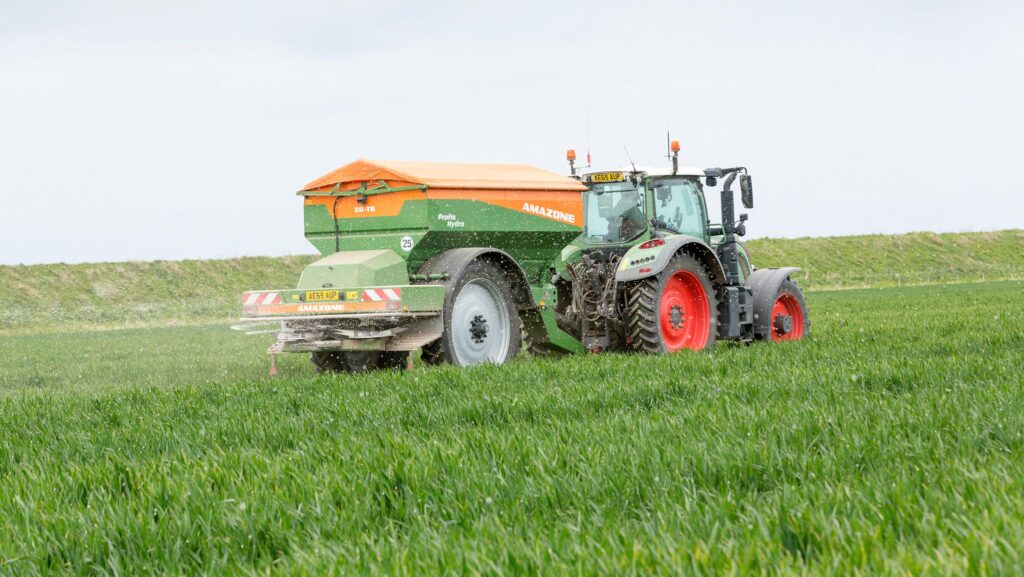 © Gary Naylor Photography
 The House of Lords has demanded tighter controls on nitrates, saying that successive governments have failed to tackle the dangerous health, environmental and economic impacts of nitrogen pollution in England.
The Nitrogen: time to reduce, recycle, reuse report, published on Thursday (24 July) by the cross-party Environment and Climate Change Committee, suggests that the majority of ammonia and nitrous oxide pollution to air, and nitrate pollution to water, comes from the agricultural sector.
It says this has partly been driven by the growth in demand for food as populations have increased.
See also: Farmers face 50% rise in number of EA inspections
However, it also points to inefficient nitrogen use, with a reported 45 % of fertiliser applied to land being lost to the environment, estimated to cost the industry £420m each year.
The report calls on the government to produce a “holistic nitrogen strategy” within the next two years.
“It is an essential priority to quantify the major flows, sources, and sinks of nitrogen, and minimise nitrogen pollution by capturing and re-using pollutants, turning them from damaging waste into a valuable resource,” said committee chairman Baroness Sheehan.
Recommendations
To tackle nitrogen pollution, the committee makes a series of recommendations, including:
- Requiring all slurry stores to be covered and mandate the use of low emission spreading techniques for manure, digestate and urea, by 2027.
- Improving enforcement of existing regulations such as the Farming Rules of Water, nitrate vulnerable zones and silage, slurry and fuel oil regulations.
- Extending the environmental permitting regulations to large dairy and beef cattle farms within two years.
- Consulting on the appropriate threshold to expand the regulations for pigs and poultry within the next 12 months.
The committee also recommends collaboration between the wastewater and agricultural sectors to identify opportunities for improvement.
Industry reaction
The Sustainable Nitrogen Alliance, a coalition of health, nature, climate and animal welfare organisations, has called the report “groundbreaking”.
Soil Association’s Ellie Roxburgh, who convenes the alliance, said nitrogen pollution and its devastating impacts have been overlooked for too long.
“We’re delighted to see the call for a national nitrogen strategy underpinned by a balance sheet that maps all routes of nitrogen usage, waste and pollution, which we have long been calling for,” she said.
NFU president Tom Bradshaw, who gave evidence to the House of Lords committee inquiry earlier this year, said that while nitrogen is crucial in producing more food for a growing population, it is important it’s used responsibly.
“It’s important to ensure regulation is simple, proportionate and outcome focused,” he said.
Nature Friendly Farming Network chief executive Martin Lines added that farmers too often lack the backing they need to change the way they work.
“Greater support is needed from across the supply chain and wider private sector to help finance the transition to nature-friendly farming,” he said.