

Poor soils threaten UK food security as drought risk spreads
 © Soil Association
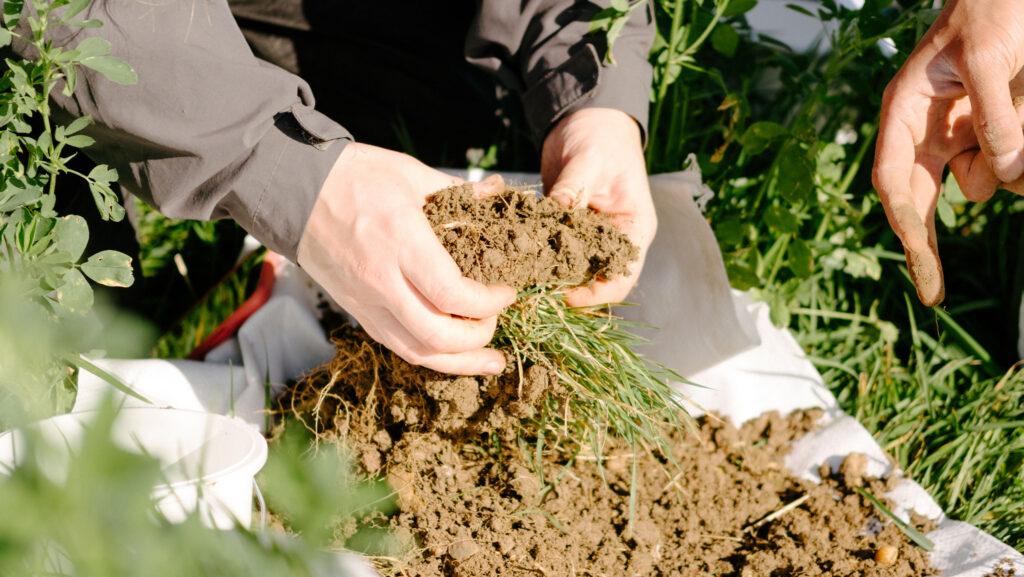
Poor soil health could leave more UK farms vulnerable to drought as increasingly dry conditions spread westwards, threatening food production, a new report warns.
Research from the Soil Association Exchange found that 24% of soil samples in eastern England had organic matter levels below industry benchmarks, compared with 9% nationally, potentially limiting their ability to retain moisture and nutrients during prolonged dry spells.
See also: ABF chief warns of worsening food security status
The Farm Resilience Report, drawing on data from 1,404 farms, warns that other regions such as the West Midlands could experience drought conditions comparable to those currently affecting eastern England within a decade.
This, Soil Association Exchange chief executive Joseph Gridley said, highlights where food security could be at risk, and that without action it could spread across the UK.
“It is concerning that the East, the region that has long been our breadbasket, is being most hit by climate change,” said Mr Gridley.
The warning follows two difficult growing seasons, with drought costing UK arable farmers an estimated £828m in 2025.
The report identified other areas of concern, with 17% of soil samples in the West Midlands falling below organic matter benchmarks, compared with 5% in Scotland and 4% in the South West.
Nationally, only 51% of grassland samples achieved a “good” soil organic matter rating, against 69% of arable samples.
While 90% of participating farms maintained some winter cover on arable fields and 71% were reducing cultivation, only 21% of farmers in the East were companion cropping.
Improving resilience
According to the report, increasing soil organic matter by one percentage point can add about 20,000 litres of plant-available water a hectare in the top 30cm of soil.
The research identified several farming practices associated with healthier soils, particularly in drought-prone regions.
Key findings included:
- No-till cultivation: Farms in the East and South East had 27 percentage points more soil samples rated “good” than those using other cultivation methods.
- Companion cropping: Oilseed rape grown alongside buckwheat was associated with a 24-percentage-point improvement.
- Winter soil cover: Full green cover was linked to a 22-percentage-point improvement.
- Herbal leys: Diverse grassland mixtures were associated with improved soil health, particularly in the East.
Better nutrient management
The research also highlighted opportunities to improve nutrient efficiency and support soil fertility.
More than half (54%) of livestock farms had nitrogen surpluses classified as “below benchmark”, compared with 8.4% of cropping-only farms.
The findings suggest opportunities for greater integration between livestock and arable farming, potentially reducing reliance on purchased fertilisers through better nutrient recycling.
Researchers also found that farms applying more artificial nitrogen tended to have lower soil organic matter levels, although the findings do not establish causation.
Support needed
However, investing in soil health can involve upfront costs, with benefits potentially taking several years to materialise, making changes difficult for farmers already facing tight margins.
These pressures have been compounded by global shocks, including the war in Iran, which pushed up fertiliser and fuel costs.
Ammonium nitrate prices remained 14-15% above pre-conflict levels in August, while red diesel was still 45% higher in September.
With rising input costs and weather-related production losses further squeezing margins, farmers face growing challenges in funding improvements to their businesses.
Against this backdrop, 74% of surveyed farmers identified profitability as a leading concern, prompting calls for financial incentives and practical advice from food supply chains to help reduce the risks of adopting more resilient farming practices.
Mr Gridley said: “Farmers want to make more changes to support their business and the environment.
“But they need sound advice and financial incentives from supply chains that reduce the risk of trying something new.”