

TFA seeks scrutiny of Defra’s £1.94m spend on Rothbury purchase
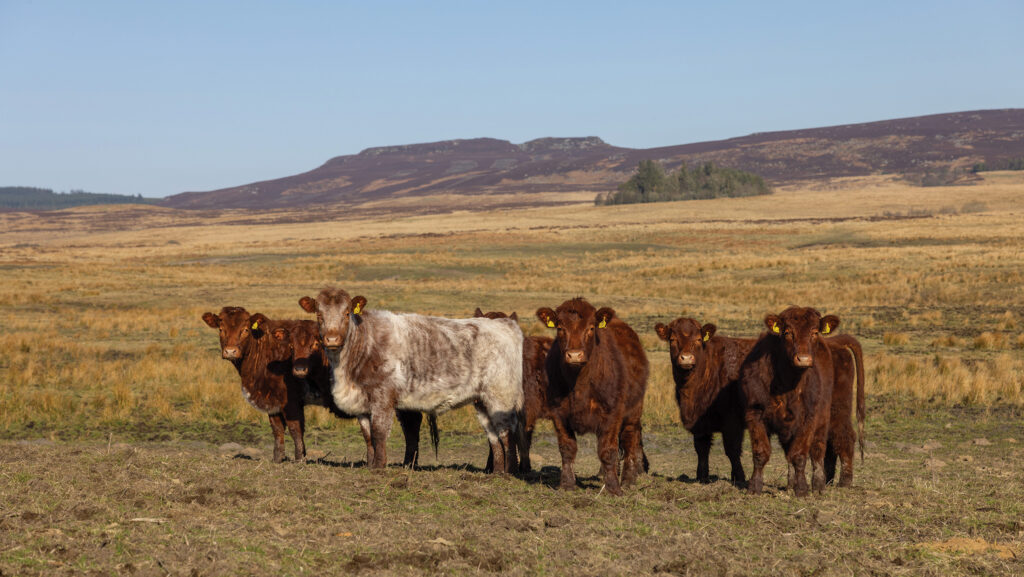 © John Millard/The Wildlife Trusts
The Tenant Farmers Association (TFA) is seeking answers to the rationale behind Defra offering a large chunk of taxpayers’ money to help the Wildlife Trusts buy the 3,800ha Rothbury Estate in Northumberland.
The deal was completed at the end of October after Defra donated £1.94m to the appeal fund, enabling the Trusts to reach their £30m target for the purchase.
See also: Wildlife Trusts complete purchase of Rothbury Estate for £30m
While recognising the importance of nature recovery – the Wildlife Trusts’ top priority for the estate – the TFA is questioning whether Defra’s investment represents value for public money.
Chief executive George Dunn has written to Sir Geoffrey Clifton-Brown MP, chairman of the Public Accounts Committee (PAC), requesting further scrutiny of the cash transfer.
“Our concern is not to dispute the importance of nature recovery or to presume that the acquisition cannot deliver public benefits,” he wrote.
“It is to establish whether the department tested this particular intervention rigorously against alternative uses of public funds.”
Calculations
The TFA has calculated that, based on average Sustainable Farming Incentive (SFI) agreement size, that £1.94m could have paid for double the area of the Rothbury Estate to be put into nature-friendly farming schemes.
Amongst the numerous questions it wants the PAC to ask Defra are:
- Under what legal power was the money committed to the purchase?
- What was the business case and investment appraisal?
- What was the evidence to show that such a grant was necessary?
The TFA also wants to know what consultation was undertaken with tenants on the estate, what baseline assessments have been made by Defra so it can measure any improvements in nature delivery, and what clawback provisions there might be for taxpayers if the intended outcomes are not achieved.
“The central question is whether the public contribution has purchased demonstrable additional benefits through a sound, transparent decision-making process, with proper protection for taxpayers and appropriate regard for those whose homes and farming businesses are affected,” wrote Mr Dunn.
‘Evidence led’
In response, Defra insists that the grant to the Wildlife Trusts did not come from the farming budget, was assessed on its merits, and was found to achieve value for money.
A Defra spokesperson said: “It is an evidence-led decision which will help secure one of England’s most important landscapes for nature recovery, with benefits for local communities, farming and the wider rural economy.
“It’s also significant in our push for global action to deliver on the commitment to protect 30% of our land and sea by 2030.
“This pledge supports a thriving farming sector alongside a healthy natural environment as healthy soils, clean water, pollinators and resilient ecosystems are essential foundations of long-term food security.”
The Northumberland Wildlife Trusts has previously indicated that the estate’s eight tenants, who farm about two-thirds of the land, will not be put under any pressure to change the way they farm, though it is actively reducing sheep numbers and increasing cattle numbers on its “in-hand” land.