

Almost three-quarters of England now in drought
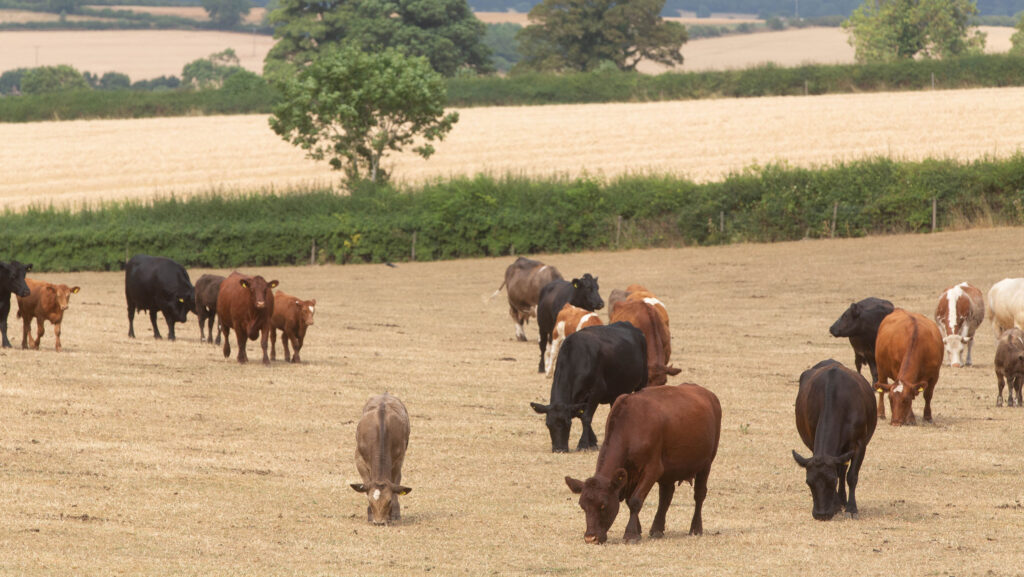 © Tim Scrivener
 Almost three-quarters of England is now officially in drought, with farmers facing mounting pressure from poor harvests, shrinking water supplies and worsening conditions.
The latest declarations mean 71.3% of England is now in drought, with the East Midlands, Lincolnshire and Northamptonshire, Kent and East Sussex, and Solent and the South Downs the latest areas to be affected.
It follows England’s driest July since records began in 1836, with southern England receiving just 1% of its expected rainfall.
More than 45m people are now living in drought areas, with over 27m affected by water-use restrictions.
See also: Defra under pressure to ease drought impacts on food
The crisis is being keenly felt on UK farms. The AHDB says this year’s cereal harvest is the earliest since its records began in 2006, while farmers are reporting reduced yields.
Poor grass growth is also forcing some livestock farmers to use winter forage early, raising concerns over feed and straw supplies later in the year.
NFU president Tom Bradshaw has warned that continued dry weather could lead to shortages of some food products.
Divide in support
The drought has also exposed a potential divide in the support being offered to farmers in England and Wales.
Wales has introduced financial support including grants for boreholes and water-harvesting equipment, alongside temporary flexibility for farmers under the Sustainable Farming Scheme.
In England, Defra says it is “actively considering ways to give more support to farmers” and is working to make it easier to build on-farm irrigation reservoirs. But no equivalent new financial support package has yet been announced.
The National Drought Group has warned conditions will continue to worsen without “significant and sustained rainfall”.
Rivers and reservoirs are continuing to fall, while the dry conditions are increasing pressure on wildlife and raising wildfire risks.
Scotland and Northern Ireland are not presently experiencing drought conditions, although parts of eastern Scotland remain under water-scarcity pressures following the prolonged dry spell.
Tom Cantillon, senior analyst at the Energy and Climate Intelligence Unit think tank, said England had now experienced three droughts in five years, with reservoirs at 69% and falling.
He warned that describing the situation as the “new normal” understated the threat, with droughts expected to become more frequent and severe as temperatures rise.