

Defra under pressure to ease drought impacts on food
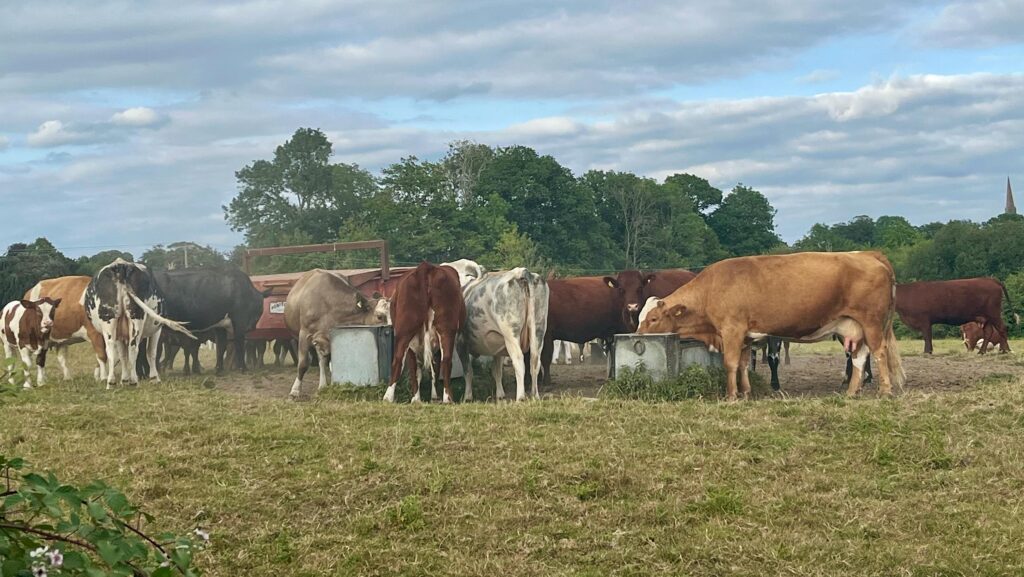 © MAG/Philip Clarke
 Pressure is mounting on Defra to take more concerted action as the ongoing drought takes a toll on arable and livestock farmers, jeopardising food supplies.
Conservative MP and shadow Defra secretary Victoria Atkins has written to current Defra secretary Dame Angela Eagle demanding urgent action to deal with the ongoing threats to food security.
See also: Drought declared across England’s key farming regions
“Half of England is in drought and this July is set to become England’s driest month on record,” she wrote.
“Major wildfires are burning across our countryside and farmers are now growing increasingly concerned about livestock feed as forage shortages worsen.”
Top of a list of actions Ms Atkins says the government should take is the introduction of temporary grazing exemptions on land tied up in agri-environmental schemes.
This has been done in the past and would ease pressure on livestock farmers “who are already having to use winter forage because grazing restrictions have reduced available pasture”.
Ms Atkins is also demanding more flexible water abstraction licences, immediate targeted support for investment in on-farm reservoirs, and the preparation of continency plans for an impending winter forage shortage.
Food security
The damaging impact of the drought, which now covers half of England and all of Wales, was also spelled out by NFU president Tom Bradshaw in an interview with the BBC over the weekend, warning of impending shortages of certain food products.
As well as low cereal yields on many farms in England, vegetable producers are running low on water, reducing the amount of food produced in the UK and increasing the cost of growing it, he said.
In particular, he urged government to invest more in reservoirs, both at a national level and at farm level, with tax breaks made available to incentivise their construction.
“We have taken our food supply for granted for far too long,” he added.
“Those other countries around the world that we currently rely on to produce our food and vegetables, their climates are changing as well.”
NFU Dairy Board chairman Ian Harvey explained that the current spell of hot and dry weather is placing immense pressure on dairy farmers as well.
“It has severely restricted grass growth and diminished pasture quality, with 18.5m litres wiped off milk yields in recent weeks,” he said.
“To sustain production and safeguard animal welfare, many producers have already started feeding winter forage and expensive supplementary feeds to their herds.
“If we do not see sustained rainfall in the coming weeks, these interventions could mean feed shortages and inflated costs this winter.”
Defra response
A Defra spokesperson said the department recognised the impact of extreme weather for farmers and was helping build greater resilience to climate shocks through various farming schemes.
“We are also actively engaging with the sector and considering additional ways to support farmers through the current prolonged dry spell and working to make it easier for farmers to build more on-site irrigation reservoirs,” he added.
Meanwhile, Defra is encouraging concerned farmers and land managers to contact the Rural Payments Agency and to access its extreme weather guidance.