

Drought could cost arable farmers £390m in lost revenue
 © Tim Scrivener
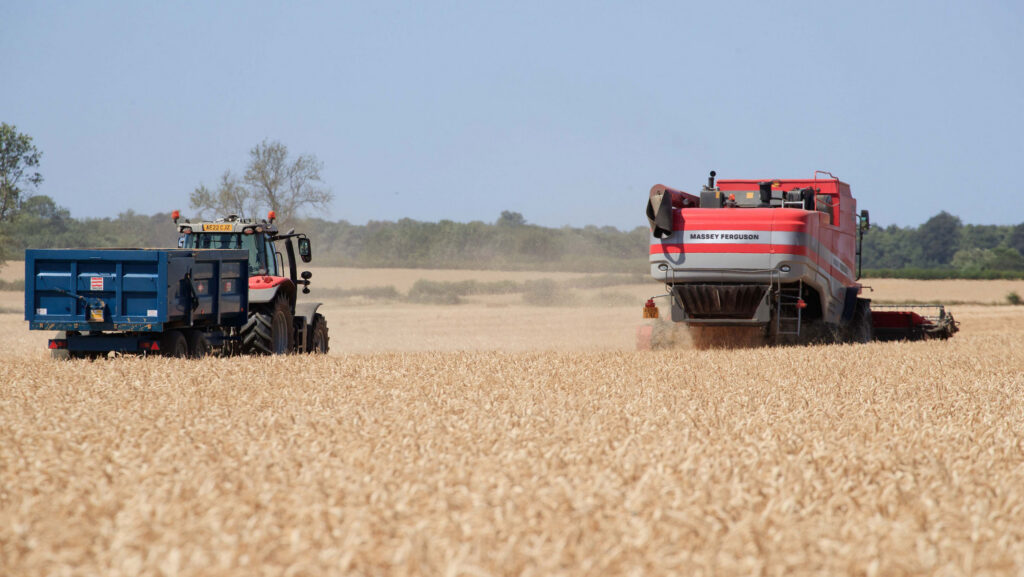
 The UK’s cereal and oilseed harvest is on course to be the worst since national yields were first recorded in 1984, potentially wiping some £390m off arable farmers’ turnover.
According to the Energy and Climate Intelligence Unit (ECIU), the exceptionally dry and hot spring and summer weather had impacted crops more severely than initially forecast, diminishing total potential yield by around 2.5m tonnes.
See also: Defra under pressure to ease drought impacts on food
With just over half the UK wheat crop harvested by the end of July, and 95% of the winter barley crop, provisional yield estimates produced by the Agriculture and Horticulture Development Board (AHDB) suggest a yield figure of 6.8t/ha for both.
Combined with oilseed rape (which has seen slightly better yields), the total UK harvest is now forecast at 19.5m tonnes.
Based on earlier harvest estimates from the USDA and EU cereals body Coceral, that suggests a loss of potential revenue of between £293m and £390m due to the drought.
Tom Lancaster, ECIU land, food and farming analyst, said farmers were “facing down the barrel of a third awful harvest in a row” and that UK farming was in danger of entering a “climate doom loop”.
“Without reducing emissions to net zero, to bring the climate back into balance, conditions will continue to deteriorate,” he warned.
“It is now a clear priority for the future of UK food production, farming and the countryside that sustains it.”
‘Kick in the teeth’
The east of England and other key growing regions have had little or no rainfall since mid-June while July, in southern England, was the driest month for the region since 1836.
Cambridgeshire farmer and chief executive of the Nature Friendly Farming Network Martin Lines said harvest 2026 had been a “real kick in the teeth”.
“After two terrible harvests in a row, the crops this year were looking good and full of potential coming out of spring, only for months of drought and heatwaves to destroy any prospect of a decent harvest.”
Nature-friendly practices he had rolled out on his farm had helped soils retain water for longer, but he pointed out that “there’s only so much you can do to adapt to these sorts of extremes.”
Budget increase
The findings of the ECIU research has prompted the Liberal Democrats to demand an immediate £1bn boost to the farming budget.
The party’s rural affairs spokesman Sarah Dyke said: “This extreme weather is colliding with global instability.
“The £390m crop shortfall projected by this analysis comes right as Trump’s war in Iran has sent unpredictable shocks through our supply chains, meaning energy and fertiliser prices have skyrocketed right when farmers can least afford it.
“We are therefore demanding an immediate £1bn uplift to the UK farming budget. We need to get greater, targeted support directly to farmers through the Environmental Land Management scheme.
“This will properly reward farmers for producing food sustainably, help them build resilience against future climate shocks, and ultimately protect our national food security.”