

Marts cancelled and movements restricted due to heatwave
 © Tim Scrivener
 Several livestock markets have been forced to cancel sales this week on animal welfare grounds as the June heatwave intensifies.
With temperatures well in excess of 30C across much of England and Wales, livestock farmers have also been encouraged to minimise animal movements, provide shade and ventilation, and ensure water availability.
See also: Beef stabilises near £6/kg deadweight after price fall
South Molton Market in Devon has taken the decision to cancel its weekly livestock auction on Thursday (25 June).
A statement said: “We apologise for any inconvenience, but it’s important we prioritise and take into consideration the welfare of livestock and we ensure we abide by regulations.”
Thame Farmers Mart in Oxfordshire also issued a statement this week cancelling its sheep sale on 24 June due to the extreme heat.
Other marts, including Longtown, Melton Mowbray, and Thrapston, were forced to adjust sales times to avoid peak temperatures.
Livestock markets across the UK have also been implementing additional animal welfare measures, such as reduced stocking densities in pens, and increased water provisions.
Livestock movements
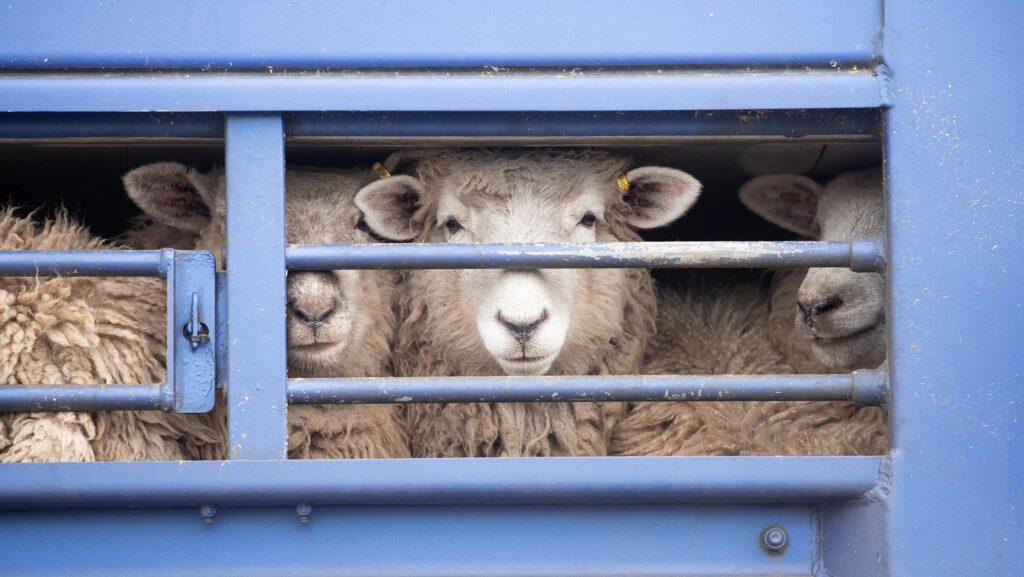
Defra guidance states livestock should not be transported in temperatures over 30C, unless using a temperature-controlled vehicle.
It also advises farmers to avoid transporting animals in the hotter parts of the day, travelling early in the morning or overnight where possible.
The guidance states that when transporting animals in extreme hot weather, hauliers should reduce stocking density by at least 30%, minimise handling, and increase headroom to maximise ventilation and air movement in the vehicle.
Heat stress
Industry bodies have also warned that prolonged periods of extreme temperatures and high humidity are likely to increase the risk of heat stress in livestock.
Jez Fredenburgh, senior analyst at the Energy and Climate Intelligence Unit, said: “The UK’s food system, including nature and farmed animals, is increasingly coming under strain from periods of high heat, and we’ve had two record breaking heat waves in both May and June.
“Heat stress is already causing economic losses of £205m annually across wheat, barley, oats, dairy cattle, free-range hens, and lambs.”
The AHDB has issued guidance online on practical steps to reduce heat stress in livestock and outlined the impact on livestock and forage.
Rachael Madeley-Davies, head of environment at AHDB, said: “High temperatures can reduce feed intake and slow growth rates in cattle, sheep and pigs, while also affecting fertility and overall productivity.
“Dairy cows are impacted by decreased yield and reductions in milk quality with protein and fat levels affected.
“At the same time, dry conditions restrict grass growth, tightening forage supplies and forcing some farmers to use winter feed earlier than planned.”
The Health and Safety Executive has encouraged employers to ensure they are sufficiently protecting workers from high temperatures and heat stress, especially when working outdoors.