Later-drilled winter OSR will need tailored agronomy, says expert
 © Gary Naylor
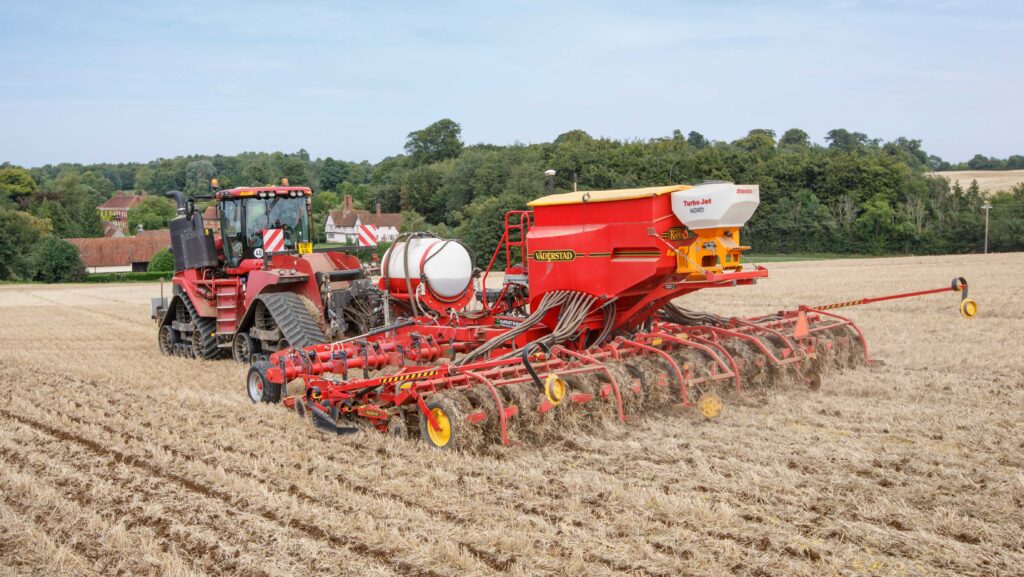
 Winter oilseed rape growers delaying planting until late August and into September need to adjust their agronomy to compensate for the shortened growing window before winter, says an expert.
OSR drilling is set to be delayed this summer as the bone dry July thwarts earlier drilling, forcing growers to drill in late August and into September to avoid peak cabbage stem flea beetle migration.
That is the message from Andrew Cromie, ProCam head of crop nutrition, who says oilseed rape was largely a success story of the 2026 harvest, with reports of good yields and strong margins relative to other crops, and there is an appetite to grow more.
See also: Why grassweed control is vital in oilseed rape crops

Andrew Cromie © ProCam OSR
But he stresses it will be vital to build the crop to a suitable size before winter dormancy arrives, if growers are to lay the foundations for another good harvest in 2027.
“Farmers are returning to growing OSR and, weather permitting, we could see plantings increase by 10-20% compared with the 2025-26 season,” Andrew suggests.
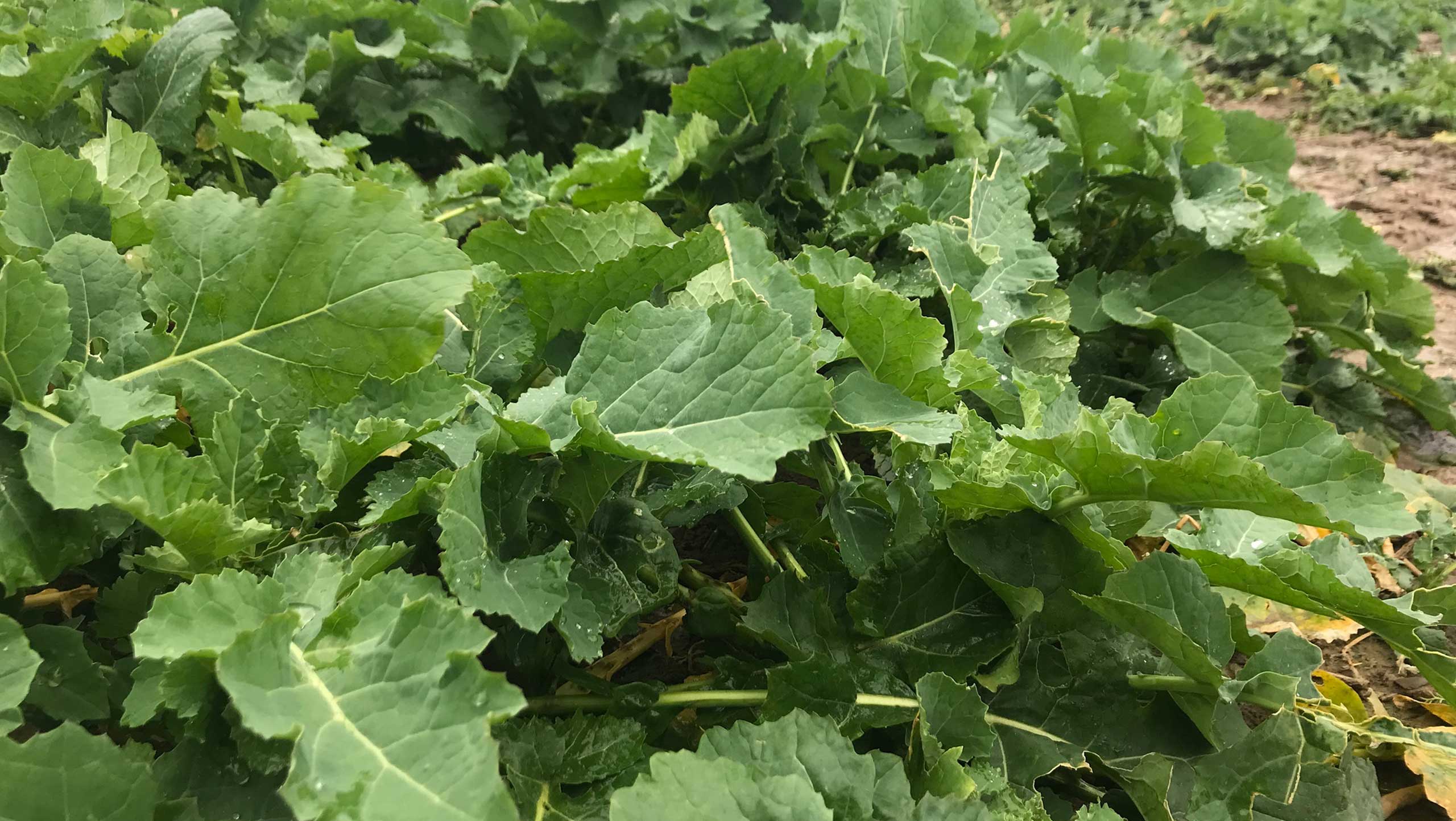
If drilling later, a key objective will be to accelerate the crop’s growth so that it reaches 8-10 true leaves and has a tap root collar diameter of more than 8mm before winter dormancy, he says.
This gives it the best chance of having sufficient reserves to grow away again well in spring.
Macro nutrients
“As a starter, choose a variety with excellent autumn vigour to help compensate for the crop going in the ground later. We’ve seen consistent results over several years with the hybrid Blackmoon.
“Equally, ensure suitable availability of macronutrients – nitrogen, phosphate, potassium and sulphur – as well as key micronutrients, so that growth isn’t hindered.
“Plus, there’s also a strong case for applying a biostimulant.”
With soil temperatures likely to start declining with later drilling, Andrew says this will lead to reduced mineralisation and availability of soil nutrients.
Therefore, look to maximise nitrogen either in the seed-bed or shortly after drilling, while complying with any N restrictions, he points out.
“In addition, starter fertilisers placed under the seed, such as Microstar Actif Bzn, which supply both water-soluble phosphate and protected phosphate that stays available to the plant, will help to kickstart early root expansion.
He points out that root growth slows down in cold, wet soils.
So adding an early foliar phosphite treatment at the cotyledon to leaf two stage, will help to trigger lateral rooting and the overall nutrient scavenging ability of the plant.
“Meanwhile, potassium and sulphur are important for the efficiency with which the plant is able to use the N that’s available.
“The treatment Fulvivex contains key nutrients, especially K, but also 62% fulvic and humic acids which help to ensure K reaches the plant in a bioavailable form and which also have a biostimulant effect. Consider applying this at six to eight true leaves.”
Boron is also critical. Andrew explains that fast-growing OSR consumes it rapidly, and deficiency can lead to hollow stems, vascular collapse and stem splitting.
Apply foliar boron from the leaf two to four stage to maintain stem integrity.
“Fulvivex also provides some boron,” he adds.
© ProCam OSR
Other nutrients
Other key nutrients for OSR during establishment and at the leaf two to four stage include molybdenum, which is crucial for nitrate reductase efficiency, enabling the seedling to convert absorbed N into protein more rapidly, explains Andrew, and manganese and zinc, which support photosynthesis and root growth.
Unconsolidated seed-beds are prone to deficiency, he points out.
“Nutrition alone cannot overcome poor soil management. So it’s also important to achieve a soil pH of 6.5-7.0 to reduce lock-up of key macro- and micronutrients, and to make sure compaction is addressed to allow roots to access nutrition and water efficiently.”
Where possible, applying organic manures is also encouraged. Not only can they feed the plant with essential nutrition, but also improve soil biology.
“Their benefits can be further improved with the use of foliar nutrition and biostimulants.”